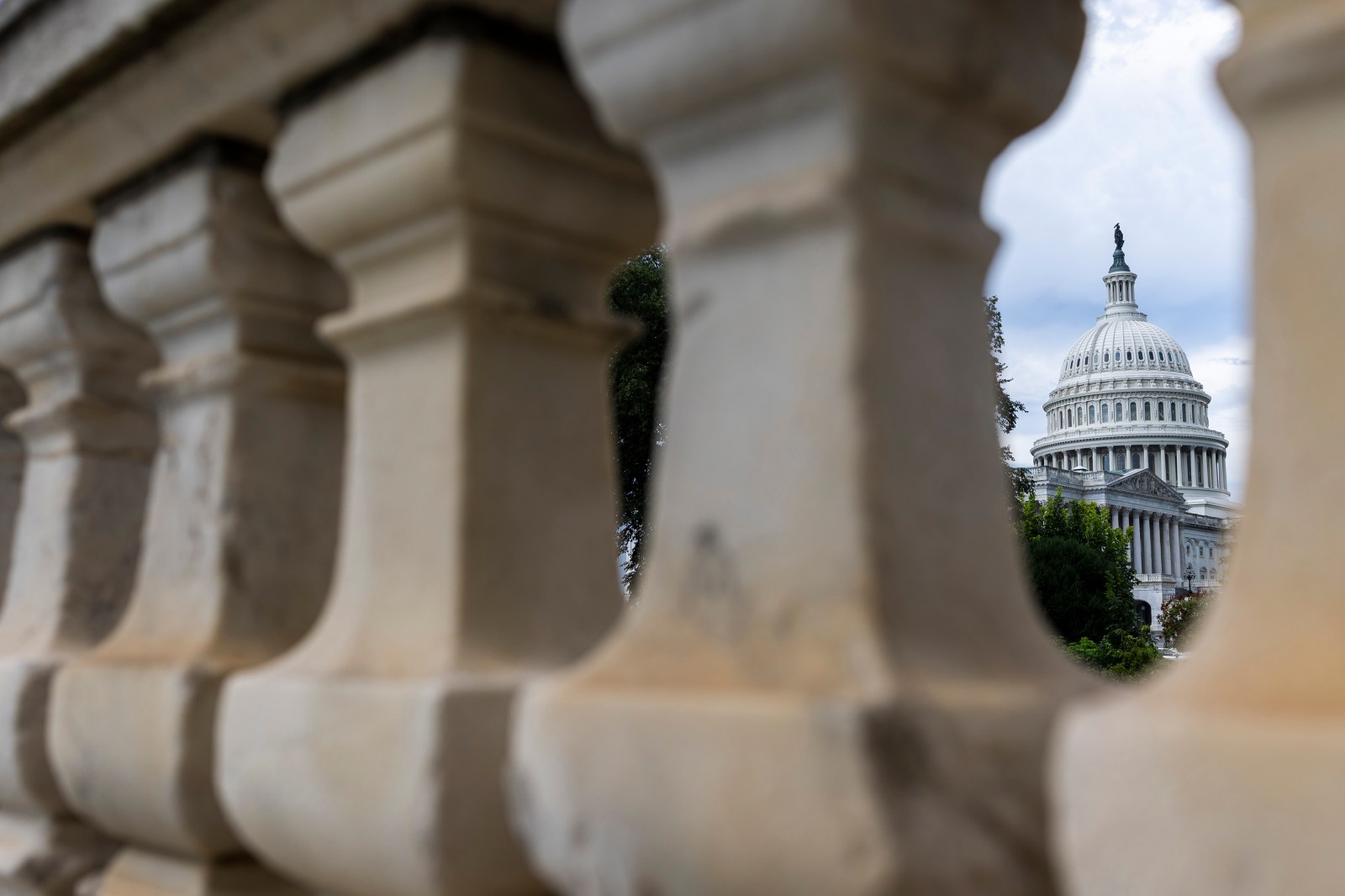
More than 30 Democrats in the House of Representatives voted to support a bill that would cut federal aid to colleges and universities engaged in commercial boycotts of Israel. The bill, sponsored by North Carolina Republican Virginia Foxx, seeks to amend the Higher Education Act of 1965. It aims to prevent institutions involved in nonexpressive commercial boycotts of Israel from receiving federal funding. The vote tally was 237-169, advancing the Protect Economic and Academic Freedom Act of 2026 to the Senate.
What the Bill Entails
The legislation would ban federal education funding for colleges and universities that participate in certain boycotts targeting Israel. It mandates that institutions receiving international education funds certify equal opportunity for students and faculty to participate in academic programs in Israel, similar to other countries.
Supporters believe this will prevent discrimination against Israel and safeguard academic exchange programs. Opponents argue it could limit political activism and freedom of expression on campuses.
Changing Sentiments Toward Israel
The vote highlights shifting attitudes within the American populace, especially among Democrats. A Gallup poll in February showed that 65% of Democrats sympathized more with Palestinians compared to 17% with Israelis. Overall, Americans were divided with 41% supporting Palestinians and 36% supporting Israelis. Republicans show more support for Israel, though unfavorable views have increased among younger Republican members, according to Pew research.
Voting Dynamics Among Democrats
Among the Democrats, 33 voted for the bill alongside 203 Republicans. Key Democratic figures like Minority Leader Hakeem Jeffries and former Speaker Nancy Pelosi opposed it. The vote exposed internal party divisions as many lawmakers continue to support measures presented to combat antisemitism, whereas voters show more skepticism toward Israel due to ongoing conflicts such as the war in Gaza.
Critics argue that legislation targeting antisemitism can blur lines between anti-Jewish sentiment and critiques of the Israeli government, raising concerns about freedom of speech and pro-Palestinian advocacy.
New York Representative Jerry Nadler acknowledged BDS could verge into antisemitism but defended the right to dissenting speech. He voted against the bill stating his belief in safeguarding all speech rights.
Two Republicans, Thomas Massie of Kentucky and Warren Davidson of Ohio, also voted against the measure.
Implications for the Democratic Party
The vote’s significance lies in revealing the divide within the Democratic Party. While some representatives support the measure, reflecting pro-Israel views, party voters increasingly critique Israel. This dynamic pressures leaders to distinguish between protecting Jewish students and stifling criticism of Israeli policies.
This tension is evident with Jeffries’ appointment of Jared Moskowitz as the ranking Democrat on the House Foreign Affairs Subcommittee on the Middle East and North Africa. Moskowitz aims to strengthen American-Israeli relations, a move criticized by some as misaligned with Democratic voter sentiments. The latest vote further illustrates internal party debates, with some Democrats focusing on antisemitism as a civil-rights issue, while others oppose linking it with Israeli policy disputes.
Leave a Reply