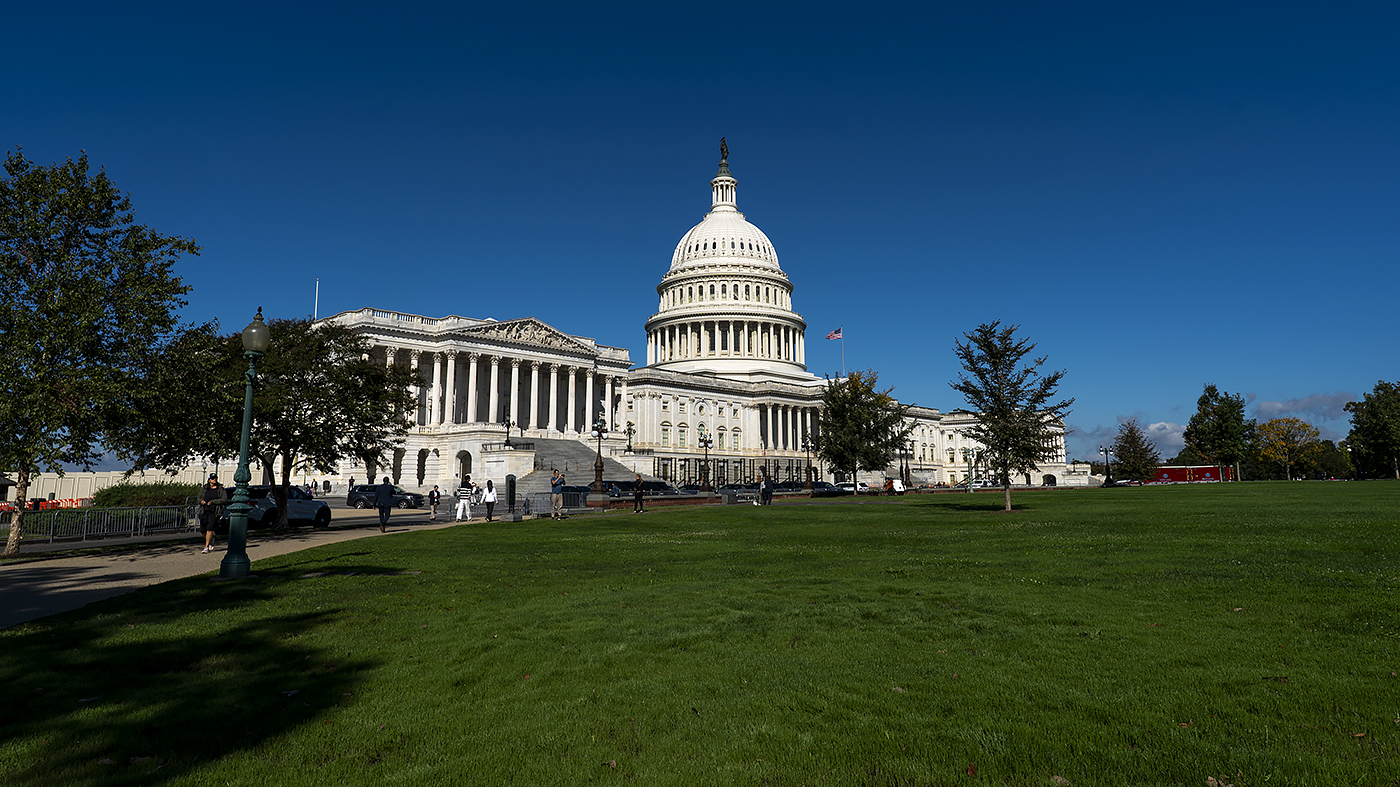
The U.S. Capitol in Washington, D.C., serves as a backdrop as rural Ohio grapples with a housing crisis affecting economic development. A recent instance in Holmes County highlights the issue: a hospital recruits a physician, who ultimately declines the position due to a lack of housing. This scenario emerged from community discussions in Wayne and Holmes counties, where employers revealed difficulties in hiring due to a dearth of homes.
Employers report that, while the workforce is available and jobs are plentiful, housing is scarce. This rural Ohio situation serves as a caution for other U.S. communities, illustrating how housing shortages hinder economic progress. A study presented to the Millersburg Village Council in August shows the demand for 858 more owner-occupied homes and 280 rental units in Holmes County. Presently, only 44% of workers live in the county, compared to 54% in similar regions, leading to long commutes and staffing challenges for local employers.
Wayne County exemplifies the problem, offering just 26 affordable rental units per 100 low-income households. Statewide, Ohio faces a shortage of approximately 266,000 rental homes for low-income families, based on a 2026 report from the National Low Income Housing Coalition and the Coalition on Homelessness and Housing in Ohio. Nationwide, there are only 35 affordable homes available per 100 extremely low-income households, underscoring a 7.2 million home deficit.
The Ohio Housing Finance Agency’s 2026 assessment reveals a net loss of over 62,000 rental units for low-income Ohioans since 2019. With a full-time wage requirement of $23.82 per hour for a two-bedroom apartment, the average Ohio renter earns merely $19.59. These statistics affect nurses, teachers, and families in places like Medina, Wooster, and Millersburg, echoing broader national trends.
Rural communities face challenges familiar across the U.S., such as high land costs, steep infrastructure expenses, and outdated development regulations. These factors collectively inflate costs, pricing families out of the market. Federal attention on housing is critical as fewer Americans can afford homes, impacting their ability to establish families and secure the American Dream.
Veterans also face housing difficulties, particularly with job relocations. The Homes for Heroes Act was introduced to increase VA loan guarantees from 25% to 37.5%, aiding veterans in home purchases when relocating. Recent federal legislation, the 21st Century ROAD to Housing Act, addresses housing issues on a wider scale. Passed by overwhelming majorities in both the House and Senate, this law accelerates construction permits, reforms manufactured housing rules, and ensures continuity of rental assistance as USDA mortgages mature.
Rural communities across Ohio must benefit from these changes. Implementing these reforms involves active inquiry with the Department of Housing and Urban Development, ensuring funds reach smaller communities instead of concentrating in metropolitan areas. Collaboration with local councils on zoning laws is key to enabling affordable housing projects.
State programs like Ohio’s housing tax credit, introduced in 2023, have supported projects such as The Lafayette in Medina County, a collaborative effort between local authorities, developers, and the government. Scaling such initiatives across small communities is vital. Rural Ohio’s workforce remains resilient, prepared for action if the infrastructure can sustain them. Efforts in Washington should focus on creating adequate housing opportunities for these workers.
Max Miller represents Ohio’s 7th District in Congress, highlighting the need for effective housing policies aiding rural developments.
Leave a Reply