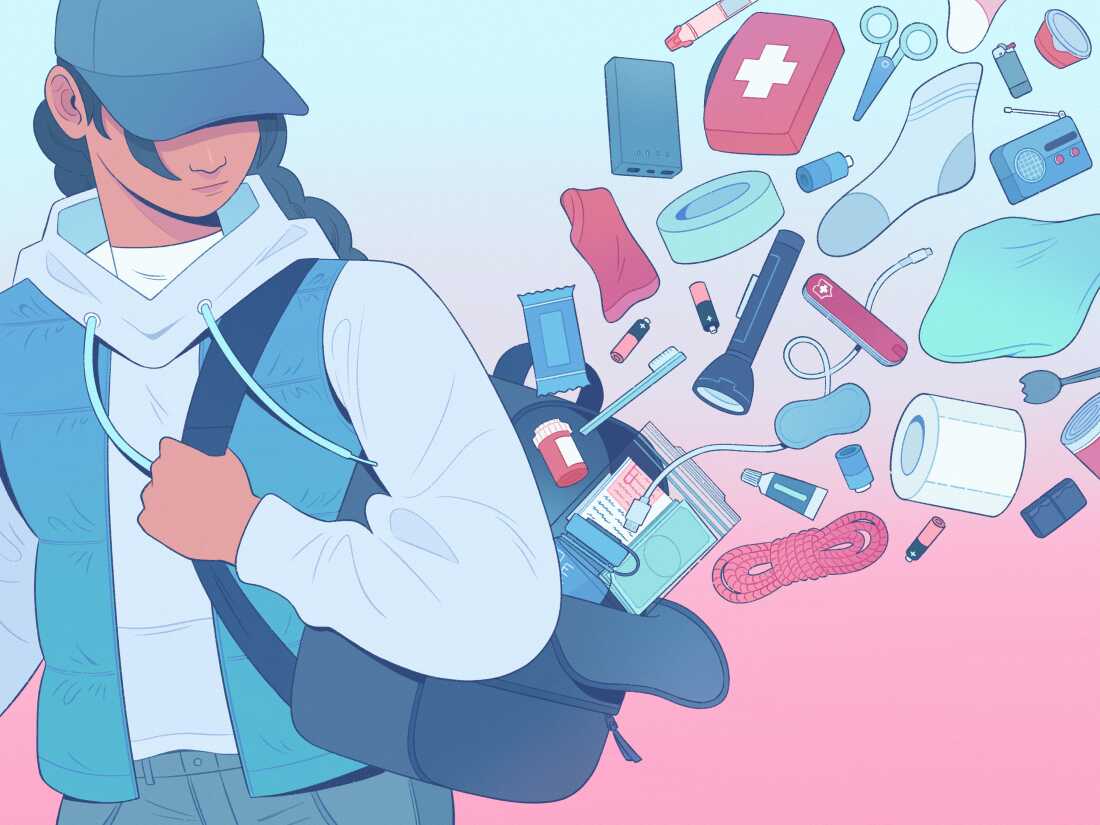
Alyssa Provencio, an expert in emergency management, emphasizes that preparing for emergencies doesn’t require spending a fortune. By using items like old batteries and candles from around your home, and opting for used gear such as a headlamp, you can save significantly. Purchasing bulk nonperishable food also reduces costs.
Building an emergency go bag might seem daunting, especially when considering the expenses of food, supplies, or premade survival kits. Collecting numerous items can appear overwhelming, contributing to why only about half of Americans have updated their emergency supplies, according to a 2023 Federal Emergency Management Agency survey. Socioeconomically disadvantaged individuals are often less prepared.
Strategies for an Affordable and Simple Go Bag
Provencio recommends gradually building your kit, investing in used supplies, and beginning with items you already own. She assures, “You do not have to spend hundreds of dollars to be prepared.” Jonathan Sury from the National Center for Disaster Preparedness supports this, suggesting prioritizing items for ease of packing and affordability.
Items to Include in Your Go Bag
- A sturdy bag: It should hold your food and emergency supplies, while being lightweight for potential evacuation. Bonus if the bag features wheels and straps for easy transport. A heavy-duty tote or old duffel bag works well.
- Water supply: Ideally, pack a gallon per person for three days. However, begin with a gallon or as much as manageable to carry.
- Three days of food: Select lightweight, calorie-rich foods like granola bars and tuna pouches. Purchasing food in smaller amounts per payday or buying in bulk can be both financially manageable and effective.
- Personal essentials: Considering items like prescription medications or comfort toys for children is vital. Treat packing as for a weekend trip to simplify choices.
- First-aid kit: Include various bandages, gauze, alcohol, pain relievers, and antiseptic wipes. Assembling your own kit from bulk purchases saves money.
- Important documents: Ensure photocopies of insurance papers, birth certificates, and deeds are secured in a waterproof bag. Digital copies on a flash drive or in the cloud are additional safeguarding methods.
- Emergency tools: Equip your bag minimally with a multi-tool, paracord, duct tape, and a flashlight or headlamp with extra batteries. An emergency blanket is also useful. Search your home or at sales for these items.
- Hygiene supplies: Include necessities like wet wipes, a toothbrush, toothpaste, and sanitary products.
- A power bank: Keep this charged to ensure your phone is available for emergency calls.
- Cash: Enough to cover a full tank of gas and a day’s food. Incrementally set aside funds to accumulate gradually.
Maintaining Your Go Bag
Once packed, keep your go bag in good condition and update it twice a year by replacing expired food and restocking first-aid supplies. Formulating a basic emergency plan involving evacuation routes and a family meeting spot can greatly impact safety without adding costs.
Consider mental preparation by discussing potential disaster scenarios, which can enhance your readiness and response during emergencies.
Leave a Reply