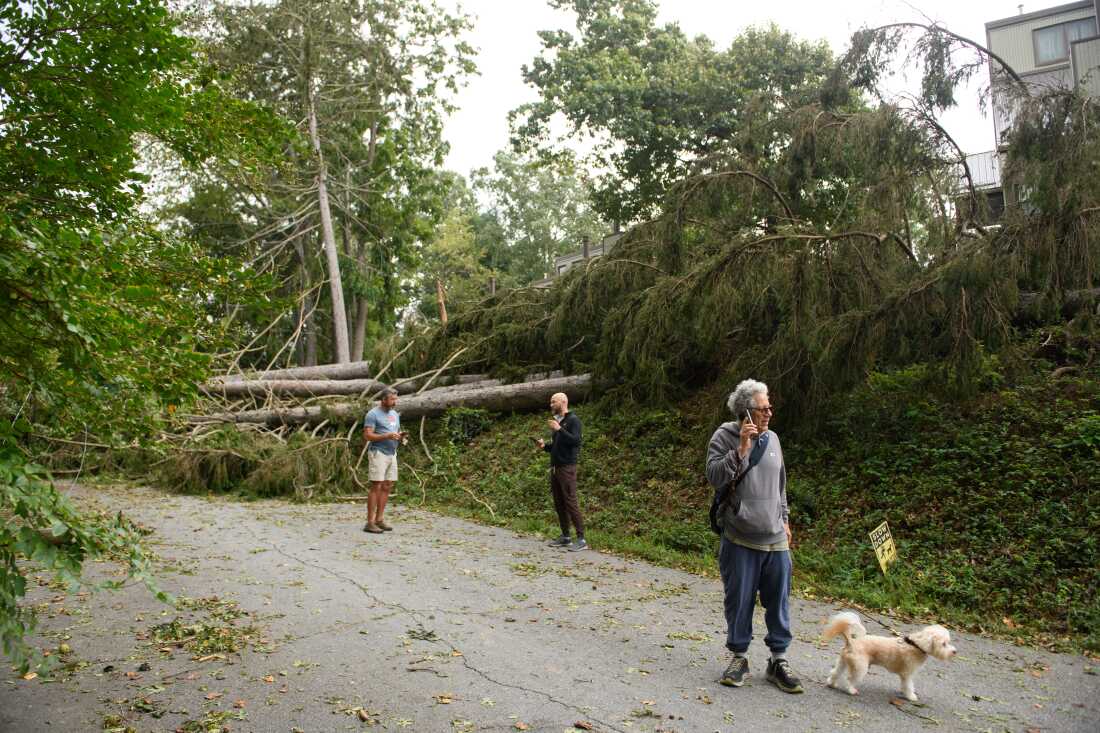
Residents in Asheville, North Carolina are making phone calls after Hurricane Helene caused severe flooding and damage on September 28, 2024. This illustrates the importance of communication in disaster-stricken areas.
Anthony Leone and his wife, Corinne Saunders, who live in North Carolina’s Outer Banks, are familiar with hurricane preparations. They monitor weather conditions closely, ready their supplies, and plan minimal phone use. Hurricane season, lasting from June to November, still poses a risk of powerful storms.
Despite predictions of lower activity in the Atlantic region for this year, high winds and rain remain a threat. Cellphone carriers are enhancing their preparations with modern tools like artificial intelligence and drones to maintain service during hurricanes.
Strategies of Major Carriers
Verizon Wireless begins preparations about a week before an expected hurricane, says Srini Kalapala, their senior vice president. They utilize drones for damage assessment and use AI to pinpoint damaged areas. Mobile tools like ‘COW’ (cell on wheels) and ‘HAWK’ (high altitude wireless kennewhat drones) are deployed to restore service quickly.
AT&T makes similar preparations, explained by Shannon Browning, associate director of Network Disaster Recovery. Their fleet includes boats and helicopters to transport equipment through inaccessible areas post-disaster. AT&T merged multiple disaster teams for efficiency.
T-Mobile plans months in advance. During outages, free satellite service keeps customers connected. AI adjusts antennas and conserves batteries to extend service time, stated Jon Freier, T-Mobile’s COO.
User Experiences
In North Carolina, Anthony Leone has experienced varying service levels during hurricanes. With AT&T, he finds the service reliable during storms, receiving timely alerts.
First responders’ communication is prioritized by major companies. Peter Antevy, a medical director in Florida, highlights the necessity for reliable service in emergencies for telemedicine and emergency updates.
Amy Weber from the Galveston County Health District works with network representatives, ensuring communication channels remain open during disasters, prioritizing first responder needs.
Jackie Santillan in Houston faces connectivity issues. Despite switching to T-Mobile, service improvements have been minimal. She initiated a petition for better service, reflecting the demand for reliable communication in underserved areas.
T-Mobile states they are focusing on areas with limited connectivity, investing in network resilience, 5G upgrades, and tower expansions across various regions.
Leave a Reply