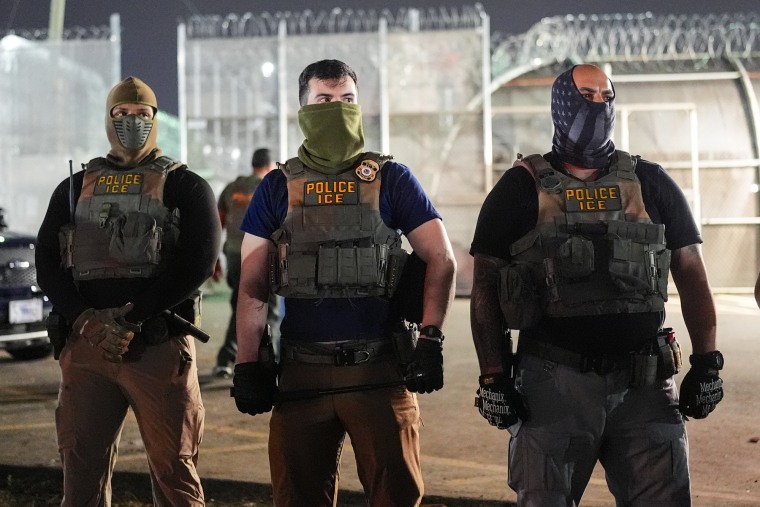
Immigration and Customs Enforcement (ICE) is set to equip officers with body cameras soon, but its policy restricts what footage will be publicly accessible. According to the policy, the release of footage will depend on whether it serves the agency’s interests. This discretion allows ICE to control the dissemination of recordings, particularly those that positively showcase the agency.
After years of postponement, ICE has committed to providing body-worn cameras to field officers nationwide by the end of September. The decision follows recent fatal incidents involving officers during immigration enforcement, intensifying calls for accountability that body cameras could address. However, the current policy suggests taxpayers may remain uninformed about some high-profile incidents due to selective footage release.
The policy specifies that video of shootings and situations involving death or serious injury will be released only if the agency deems it fitting for their interests. Experts suggest this allows the director to choose which recordings to share, focusing on those beneficial to the agency’s image while keeping others private.
Christopher Schneider, a professor at Brandon University in Canada, notes that ICE is transparently using body cameras as tools for improving the agency’s image. He remarks that body cameras are strategically deployed to present law enforcement in the most favorable light.
Body Camera Policy Allows for Limited Release of Video
The policy mandates officers to activate cameras during routine enforcement tasks, including arrests, search warrants, and emergencies. After critical incidents, an ICE committee, including top officials and lawyers, assesses footage and suggests whether to release it.
If deemed appropriate, video could be released within 72 hours. However, the ICE director may postpone or block the release based on compelling circumstances, although such specifics are not detailed. ICE declined to clarify the decision-making process when queried by the Associated Press.
Practices across the U.S. vary considerably. In Chicago, body camera footage of shootings and severe use-of-force incidents is typically released within 60 days. Conversely, Philadelphia police rarely disclose video of particular incidents due to lack of formal policy.
Even when footage becomes public, ICE’s policy demands redaction of officers’ identifying details like faces, names, and badge numbers for privacy protection. Schneider, experienced in studying body cameras, does not anticipate footage of fatal encounters to be made public, citing previous instances where Customs and Border Protection withheld similar video.
Body Cameras Deployed Nationwide by September
ICE allocated $30.9 million in July to acquire body camera equipment from Axon, the company known for manufacturing Tasers. This expenditure happened shortly after fatal shootings involving ICE officers who did not have body cameras. These incidents prompted frustration from Congress, which had initially allocated $20 million for camera purchase to prevent future shutdowns.
Body cameras have been dispatched to over half of ICE’s field officers, with the rest scheduled to receive them by the end of September. The timeline has been adjusted from previous statements. Sen. Susan Collins revealed that ICE had promised delivery by August’s end, though the agency later adjusted the deadline to mid-September.
In Houston, areas have started training with over 800 cameras operational. Each arrest team will have at least one officer equipped with a camera, according to ICE. Federal agents in Minneapolis were depicted on February 4 in images showing the initial camera deployment.
White House Border Czar Tom Homan emphasized the importance of transparency, noting data shows body cameras often clear agents of wrongdoing. Schneider anticipates ICE will use recordings to support its mass deportation program, portraying officers positively and immigrants as potential threats.
Delayed Adoption of Body Cameras by ICE
ICE initiated body camera trials in 2021 under President Biden, distributing 1,400 units initially. President Trump rescinded Biden’s mandate for body camera usage upon re-entering office in 2025.
Despite receiving substantial funding under Trump’s policy bill, ICE did not prioritize body camera acquisition, even as the agency expanded operations. Summer purchases utilized a contract initiated in 2023.
Jason Houser, former ICE Chief of Staff under Biden, criticized the delayed camera deployment, indicating a political response to shootings and congressional pressure rather than genuine concern for officer and public safety.
Houser argued the current approach fails to resolve the issue of inadequately trained or equipped officers conducting high-stakes operations.
Leave a Reply