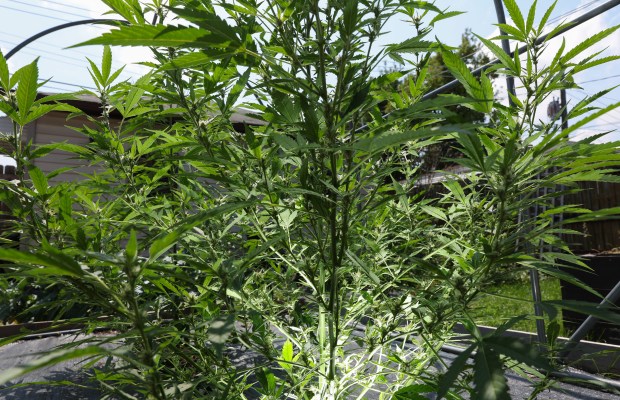
Illinois regulators have suggested a potential shift in cannabis cultivation policy. The new proposal aims to permit cannabis companies to cultivate cannabis outdoors. This move could significantly reduce energy usage and cultivation costs.
Current state law mandates cannabis growth in an ‘enclosed, locked’ facility. This requirement initially led the Department of Agriculture to ban outdoor growth, citing security issues and the risk of pesticides affecting marijuana crops. However, following legal victories by several cannabis companies seeking outdoors, the agency reconsidered its stance.
States like California and Michigan already embrace outdoor cultivation. Research indicates outdoor growth could cut energy use by up to 76% compared to indoor practices. This change could aid Illinois in its carbon emission reduction goals and potentially lower consumer prices.
Scott Redman, founder of the Illinois Independent Craft Growers Association, sees this as beneficial for small growers. Due to high startup costs and financing challenges, only 31 out of 85 licensed craft growers have started operating. ‘For active projects, this presents a more economical expansion pathway to the 14,000-square-foot canopy limit,’ Redman shared. ‘Design-stage projects could avoid significant expenses on lighting and HVAC systems.’
The proposed rule permits licensed cannabis entities to grow outdoors adjacent to existing facilities, under specific conditions. These include enclosing the area with an 8-foot chain-link fence topped with security wire, ensuring it’s out of public view. The outdoor crop would only be used for extraction to produce edibles, vapes, and oils, aiding small-business infusers by providing more distillate.
This proposal stems from last year’s legal actions, particularly Curaleaf Holdings, a major U.S. cannabis firm, challenging indoor-only regulations. They suggested using hoop houses near their Litchfield facility. While presently under review by Curaleaf, a company spokesperson emphasized the need for a secure, effective regulatory framework.
The newly proposed outdoor cultivation rule is open to a 45-day public commentary period before potentially becoming final. Agriculture officials affirm their commitment to developing a safe, fair, and well-regulated cannabis industry.
Intriguingly, the debate over sunlight-grown cannabis occurs when hemp, the low-THC cannabis variety, can be farmed nationwide. However, federal and state laws aim to ban intoxicating hemp derivatives by November.
Historically, Illinois faced challenges reversing outdoor screen house cultivation authorizations for two companies, GTI Rock Island and Nature’s Grace and Wellness, which prevailed in court. The broader cannabis sector usually grows indoors, reliant on energy-intensive systems to maintain ideal growing conditions.
Studies indicate that the industry’s greenhouse gas emissions are equivalent to those from 10 million vehicles, surpassing the emissions from all other crops and rivaling cryptocurrency mining. The outdoor growing season in Illinois permits limited annual harvests, though greenhouses can extend planting periods.
The Cannabis Business Association of Illinois expressed caution towards the proposal, seeking member feedback before providing regulators with consolidated responses. Tiffany Chappell Ingram, the association’s Executive Director, remarked on concerns about security, costs, and the possible impact on pricing and supply dynamics.
Home cultivation remains restricted. Illinois law permits registered medical cannabis patients to grow up to five plants, solely indoors. Cole Preston, who covers cannabis issues, has advocated for outdoor home growing rights, but such changes are not included in the current proposal.
Madeline Scanlon, a cannabis activist, underscores the importance of outdoor growing for patient access. She advocates for home growing, emphasizing the economic and practical benefits of outdoor cultivation, provided it’s securely fenced and out of public view.
Leave a Reply