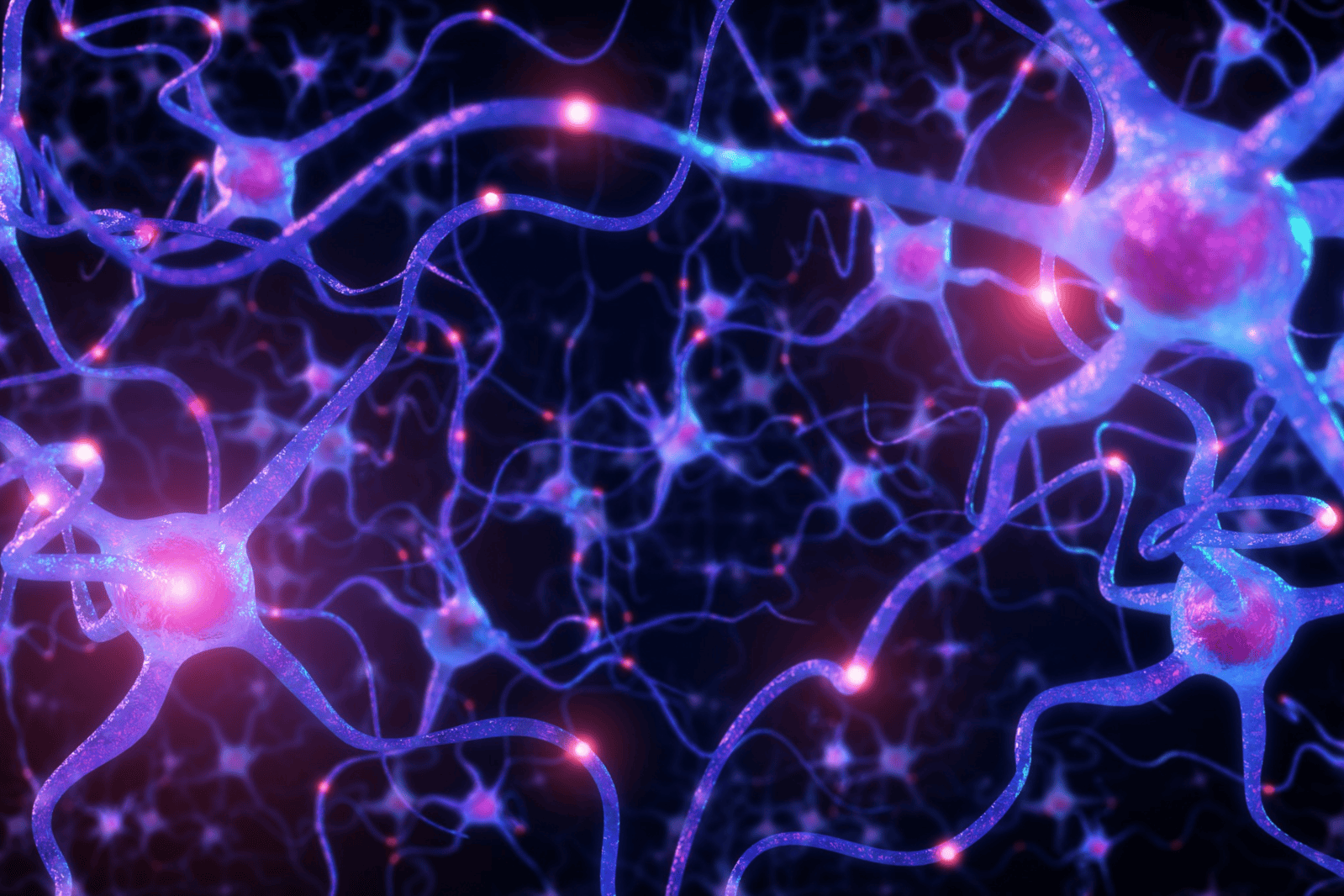
Some individuals exhibit signs of Alzheimer’s in their brains yet never develop dementia. A recent study published in Cell Stem Cell offers a possible explanation. Researchers analyzed postmortem human brain tissue, identifying a group of ‘immature’ neurons linked to cognitive resilience. These neurons might help some people maintain normal cognitive functions despite accumulating Alzheimer’s pathology.
The study concentrated on the hippocampus, a crucial brain region for learning and memory, which Alzheimer’s heavily impacts. Findings suggest that individuals who remained cognitively healthy, despite Alzheimer’s markers, possessed immature neurons resembling younger, adaptable brain cells.
Approximately 30 percent of people with Alzheimer’s pathology do not develop clinical symptoms. According to Evgenia Salta, the study’s senior author, “In resilient brains, neurons appear more immature or ‘youthful,’ which may help maintain healthy brain tissue despite Alzheimer’s presence.” Salta is associated with the Netherlands Institute for Neuroscience and explains that resilience likely involves multiple factors. Genetics might reinforce protective cellular functions, while lifestyle choices like exercise and lifelong learning contribute to a concept called ‘cognitive reserve.’ These factors could potentially influence the presence and function of immature neurons.
The study adds to evidence suggesting Alzheimer’s pathology does not inevitably lead to dementia. Dr. Daniel Fenton, who was not involved in the research, noted, “Resilient individuals showed more protective and anti-inflammatory cellular activity, while communication between neurons and neighboring cells appeared to break down in those developing dementia.” Fenton is the head of neuropsychological services at NewDays.
While treatments are years away, Salta believes this discovery may reshape Alzheimer’s therapy approaches. Cognitive resilience suggests that dementia may not be the definitive outcome of Alzheimer’s, but a changeable path. Fenton suggests that instead of neuron replacement, focus might shift to maintaining a healthy hippocampal environment. If these immature cells are proven protective, future treatments may aim to enhance the brain’s repair mechanisms, addressing damage from Alzheimer’s and bolstering the brain’s internal defenses.
Salta remarked, “If confirmed as protective, therapies could focus not only on damage limitation but also on supporting the brain’s repair arsenal.” This approach might delay symptom onset or lessen their severity, depending on intervention timing.
Tosoni, G., Ayyildiz, D., Snoeck, S., Moreno-Jiménez, E.P., Penning, A., Santiago-Mujika, E., Ruiz Ormaechea, O., Lee, H., Poovathingal, S., Davie, K., Bryois, J., Macnair, W., Anink, J., De Vries, L.E., Farmand, S., Nutma, E., Swaab, D.F., Aronica, E., Middeldorp, J., Thuret, S., Roybon, L., Basak, O., Fitzsimons, C.P., Lucassen, P.J. and Salta, E. (2026). Transcriptional profiles of immature neurons in aged human hippocampus track Alzheimer’s pathology and cognitive resilience. Cell Stem Cell, 33(5), 763–783.e9. doi:10.1016/j.stem.2026.04.002.
Leave a Reply