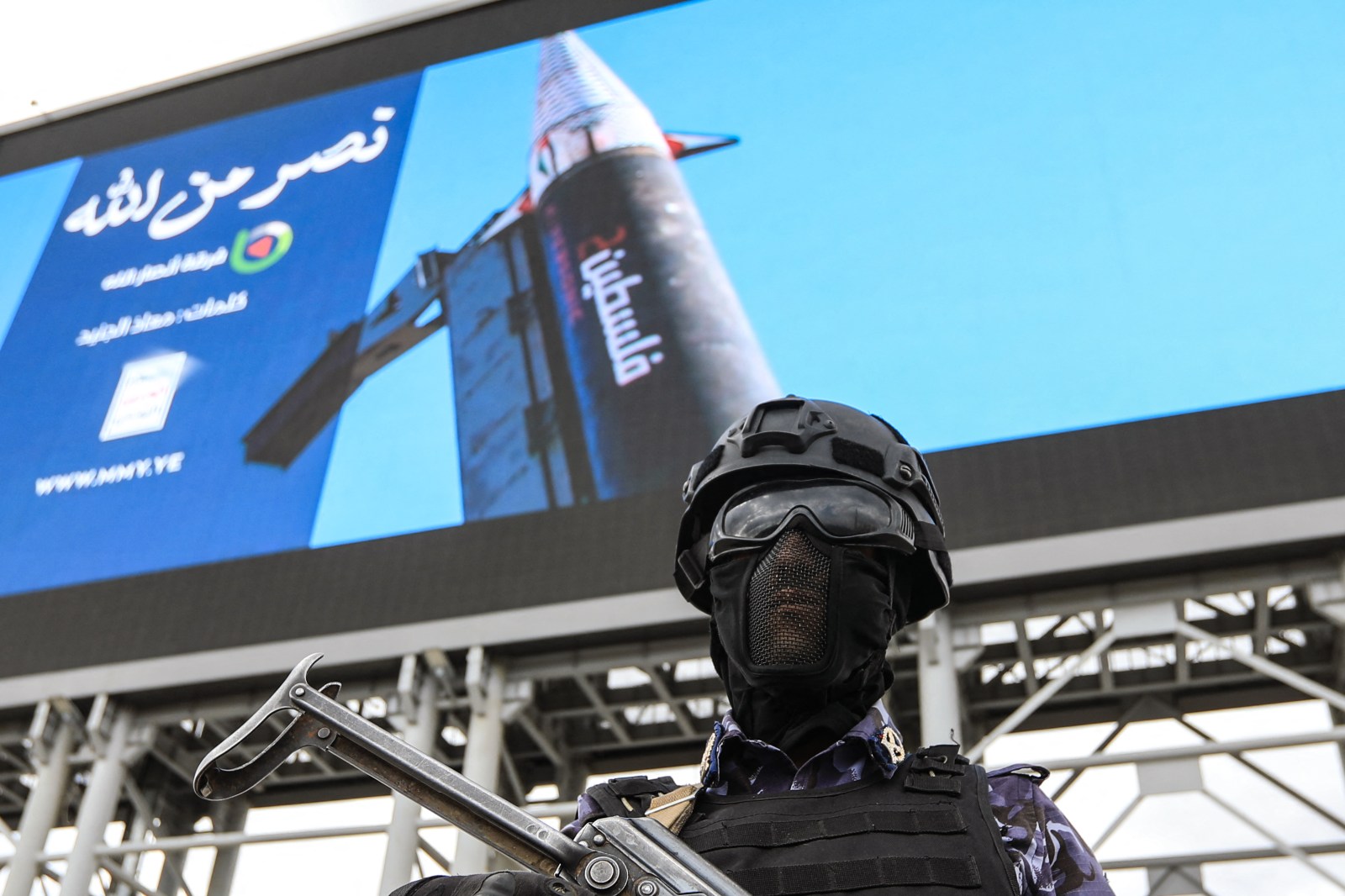
The global energy market remains in turmoil due to tensions involving the U.S. and Iranian blockades affecting the Strait of Hormuz. Amidst this, Yemen’s Ansar Allah movement, commonly known as the Houthis, declared a “total ban” on Israeli ships passing through the Red Sea. This announcement stirs concerns about potential disruptions in global trade.
In the past, the Houthis’ operations severely impacted maritime traffic. For example, Egypt’s Suez Canal traffic decreased significantly, compelling shipping routes to detour around southern Africa. This incident occurred during a two-year conflict, from the onset of hostilities in Gaza in October 2023 to a ceasefire in October of the following year.
The resurgence in conflict, fueled by a U.S.-Israeli war against Iran, has seen the Islamic Republic’s Axis of Resistance coalition re-engage. The Lebanese Hezbollah group has resumed hostilities, and Ansar Allah has relaunched long-range strikes targeting Israel. These actions indicate plans to escalate their campaign, aligning with Iran as new attacks unfold amidst U.S.-led diplomatic efforts.
Yemen stands firmly against Israeli aggression, which has not respected the understandings in Lebanon or Gaza, and the Americans give it the green light to do so.
The Houthis’ stance reflects growing frustration, as articulated by a spokesperson. They express anger towards what they perceive as Israeli provocations affecting the global economy. Additionally, there is dissatisfaction with the unyielding blockades imposed on their country, and other allies like Iran, which they believe exacerbate civilian suffering.
Peace in Disruption
The ongoing exchanges between Iran and Israel saw a sudden escalation last Sunday when Iran retaliated against Israeli strikes on Hezbollah in Lebanon. President Donald Trump called for a ceasefire on April 8, initiating diplomatic dialogues with Iran, which are ongoing despite significant disagreements.
One lingering issue involves Iranian demands to include Lebanon in any peace agreements. Meanwhile, Israeli Prime Minister Benjamin Netanyahu has intensified operations in Lebanon, aiming to dismantle Hezbollah’s armaments under Lebanese government intervention. This has added further strain to the U.S.-Iran deliberations.
Despite Trump’s insistence, Israel pursued strikes on Lebanese capital, Beirut. Consequently, Iran launched missiles toward Israel, marking the first attack since an existing two-month truce began. Trump later urged Israel to refrain from further retaliation, yet the cycle of aggression continues.
On Monday, Ansar Allah claimed strikes on “sensitive military targets” in Tel Aviv. The Israel Defense Forces (IDF) managed to counter these attacks.
In response to the escalating tensions, Trump posted on Truth Social urging both Israel and Iran to cease hostilities immediately. Subsequently, Iran’s military headquarters announced a halt to operations against Israel.
Economic Ramifications
The threat of Ansar Allah enforcing another blockade along the Red Sea portends significant impacts for global trade, already burdened by the volatile climate. Avoiding the Suez Canal by navigating the Cape of Good Hope escalates costs for large tankers, potentially adding $1 million per journey alongside weeks in transit time.
Increased oil and gas transportation costs, coupled with heightened insurance premiums, have burdened the international marketplace further due to inflated Iran-imposed fees in the Strait of Hormuz. These factors contribute to diminished maritime traffic through this critical oil passageway.
The Houthis retain considerable power, controlling a significant portion of Yemen’s territory and population. Efforts by the U.S. to weaken their hold last year resulted in a ceasefire without substantial change in territorial control.
Despite the truce facilitated by the U.N. in April 2021, Yemen’s official government, backed by Saudi Arabia, shifted focus from Ansar Allah to southern militia factions. Previously, Ansar Allah conducted attacks against Saudi Arabia and UAE until Iran’s intensified assaults amid the U.S.-Israel-Iran conflict led to a regional climax. This underscores the mounting appeals from regional powers for cessation of hostilities.
Leave a Reply