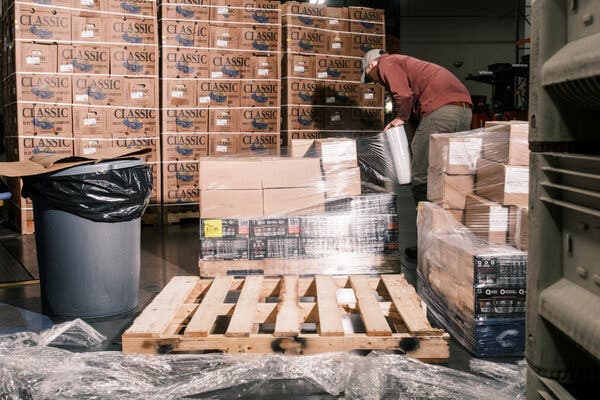
Rising fuel costs are affecting food banks across the United States, with many organizations struggling under the combined pressures of budget cuts, inflation, and increased demand from individuals seeking help. The conflict in Iran has exacerbated these challenges by significantly increasing the price of diesel, a crucial factor in transportation logistics.
Every morning, semi trucks from the Oregon Food Bank depart from their central warehouse in Portland. They carry large quantities of canned goods, frozen meats, and fresh produce to food pantries throughout the state. Some destinations are nearby churches and soup kitchens, while others are as far as the Idaho border, requiring a six-hour drive through mountainous and shrubland terrains.
Andrea Williams, president of the Oregon Food Bank, revealed that their organization now has to allocate an additional $20,000 each month for fuel costs. This added expense has impacted their capacity to provide food, as those funds could otherwise be spent on feeding people.
“It’s an opportunity cost,” Williams stated. “It could be going to food for people, but instead it’s going into the price of gas.”
While most Americans have noticed the direct impact of the war’s effect at gas stations, the repercussions extend beyond the obvious. Food banks, essential in distributing food to pantries nationwide, are also feeling the squeeze. This is particularly significant as approximately 50 million Americans annually depend on emergency food assistance from local food pantries or soup kitchens, as highlighted by a 2024 Feeding America report.
These organizations are vital in bridging the gap for individuals in need, often relying on the strategic support provided by food banks in acquiring and delivering food supplies to rural and urban communities alike.
Leave a Reply