The financial cost of the Iran conflict has been significant. The Pentagon currently estimates an expenditure of $47 billion. However, the human cost has been even greater, with over 800 American soldiers injured and the families of 23 deceased service members enduring a heavy loss.
On 60 Minutes, a thorough investigation uncovers the damage endured by U.S. positions in the Middle East. The program also shares the stories of Gold Star families who lost loved ones when an Iranian drone targeted an army command center in Kuwait during the initial 24 hours of the conflict. This incident marked Iran’s most lethal attack on U.S. forces and highlighted the vulnerability of American troops against a formidable adversary.
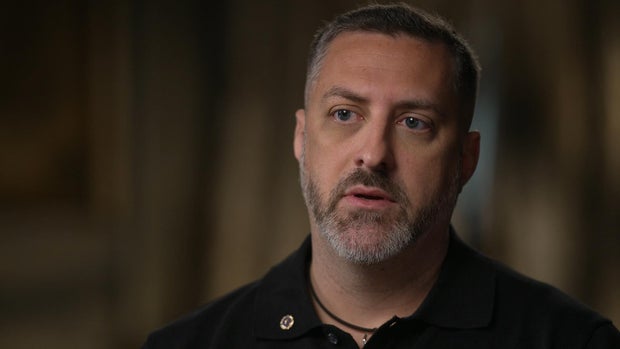
Joey Amor expressed concerns about future soldiers, emphasizing the need for trust that similar tragedies would not recur.
Master Sgt. Nicole Amor was one of the first U.S. soldiers killed. Her husband, Joey Amor, described her as proud and unwavering. She served diligently in the Army Reserve’s 103rd Sustainment Command. Joey expressed deep disappointment with the command’s management, attributing his wife’s death to poor decisions by certain individuals within the unit.
Following the attack on March 2, Secretary of Defense Pete Hegseth asserted that U.S. troops were adequately safeguarded. Despite the robust U.S. military presence, 90% of the ground forces had been relocated from Kuwait amid fears of retaliatory strikes, leaving about 70 members of the 103rd in a vulnerable location near Iran.
The installation at Port Shuaiba, as Major Stephen Ramsbottom described, offered minimal protection against aerial attacks. Despite Major Ramsbottom’s warnings about drone threats, which were dismissed by leadership, no actionable response was taken. His whistleblower complaint to Congress now calls for an investigation into the lack of adequate protection against drone attacks.
Tanner Carson, a civilian medic at the outpost, expressed concerns about the lack of resources and emergency plans following the influx of soldiers. Particularly troubling was the absence of a counter-drone system, despite repeated requests.
The drone attack on Port Shuaiba resulted in severe casualties, leaving Major Ramsbottom with vivid memories of the devastation. As Master Sgt. Amor was evacuated to a hospital, the inadequacy of the emergency response became evident, with soldiers having to rely on makeshift means of transport.
The aftermath of the attack saw multiple lives shattered, including the families of service members such as Master Sgt. Noah Tietjens and Chief Warrant Officer Robert Marzan. The incident emphasized the urgent need for accountability and an honest acknowledgment of failures in the U.S. military strategy.
New analyses of satellite images reveal the broader scale of destruction that Iran’s strikes have caused across several countries, affecting numerous military assets. These attacks persisted even after President Trump declared a ‘victory,’ with tragic incidents continuing to claim more American lives in the following months.
Families of the fallen soldiers have expressed dissatisfaction with the military’s response and demand transparency and accountability. They yearn for acknowledgment of operational flaws that led to preventable losses.
Amidst demands for truth, the Pentagon has recently completed its investigation. However, questions persist about the adequacy of the force protection provided to the 103rd. The ongoing discourse underscores the necessity for comprehensive reforms in military planning and response protocols.
Leave a Reply