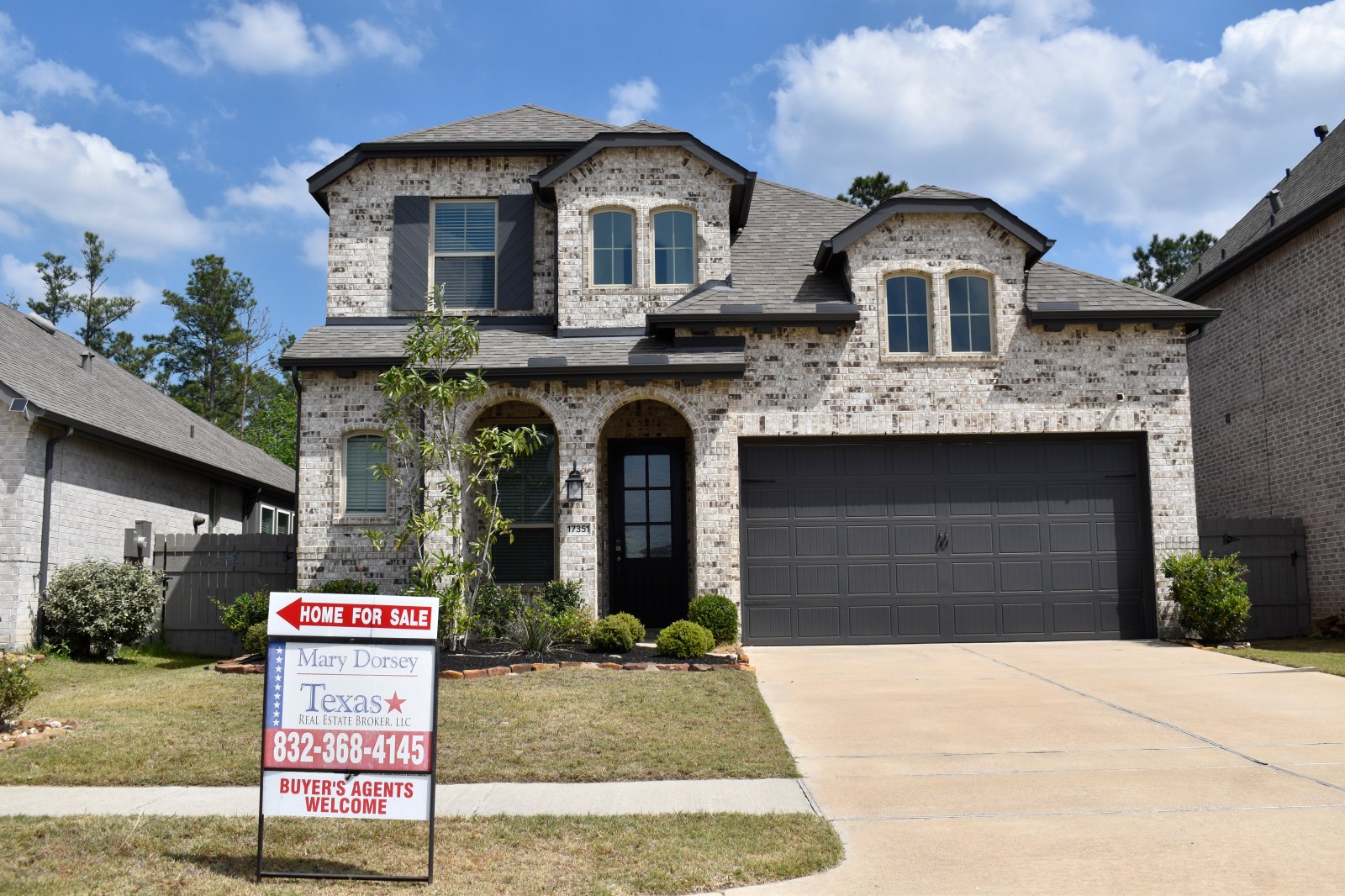
Experts are predicting a major shift in the housing market as the ‘silver tsunami’, a large transfer of wealth, approaches. This transition will happen as baby boomers downsize or pass on their homes to relatives. This process might alleviate the current housing shortage but could also introduce new challenges.
Projected Changes in Home Ownership
According to Realtor.com’s Generational Housing Succession report, about 13.9 million homes currently owned by baby boomers and the Silent Generation will change hands over the next decade. If even 45% of the 1.27 million homes expected to be released next year go on the market, it could restore annual for-sale listings to pre-pandemic levels. However, this release is happening gradually rather than as a sudden influx.
Currently, inherited homes represent a record 7% of all U.S. property transfers, totaling 340,000 properties for the year ending August 2025. Nearly 60% of sellers during this time were aged 60 or older.
Impact on Housing Inventory
The scale of generational succession is significant. Jiayi Xu, a senior economist at Realtor.com, explains that the housing market will experience a 33.7% larger release of properties over the next decade compared to the past. This increase is substantial and likely to provide relief for home buyers over time, although the full impact will be uneven based on location and other factors.
The hand-off of homes might not occur evenly across the country. There might be a mismatch between available properties and buyer interest areas, risking oversupply in less popular regions.
Geographical and Market Considerations
The effects on housing inventory will vary geographically. Cities and states with aging populations might see high inventory levels that outpace demand due to slow population growth. For example, Pittsburgh, Buffalo, and Rochester are cities at risk due to high concentrations of older residents and stagnant growth rates.
Florida, with the highest share of senior homeowners, is expected to experience significant housing turnover, especially in areas like The Villages and Punta Gorda. States like Arizona, Massachusetts, and New Mexico also have high proportions of homes owned by older adults.
Types of Homes Entering the Market
The types of homes expected to enter the market differ. Only a small portion will be starter homes, which the U.S. market currently lacks. About 380,000 homes with two or fewer bedrooms are expected, while the majority will be larger three- or four-bedroom homes.
The shortage of starter homes has been ongoing, and older buyers increasingly compete for these as well. However, there may be a secondary benefit as larger homes hit the market. Existing starter-home owners might upgrade, thus freeing up starter homes for new buyers.
Factors Delaying Market Changes
Many baby boomers might delay selling their homes due to high mortgage rates, which currently average over 7% for a 30-year fixed mortgage. These conditions may encourage older homeowners to stay put, impacting housing supply.
According to a Moody’s poll, 75% of Americans over 50 prefer to remain in their current homes as they age. This preference is likely to drive demand for home accessibility upgrades rather than increasing general market inventory. Senior housing occupancy rates reflect this preference, reaching 90% in early 2026, the highest since 2005.
Leave a Reply