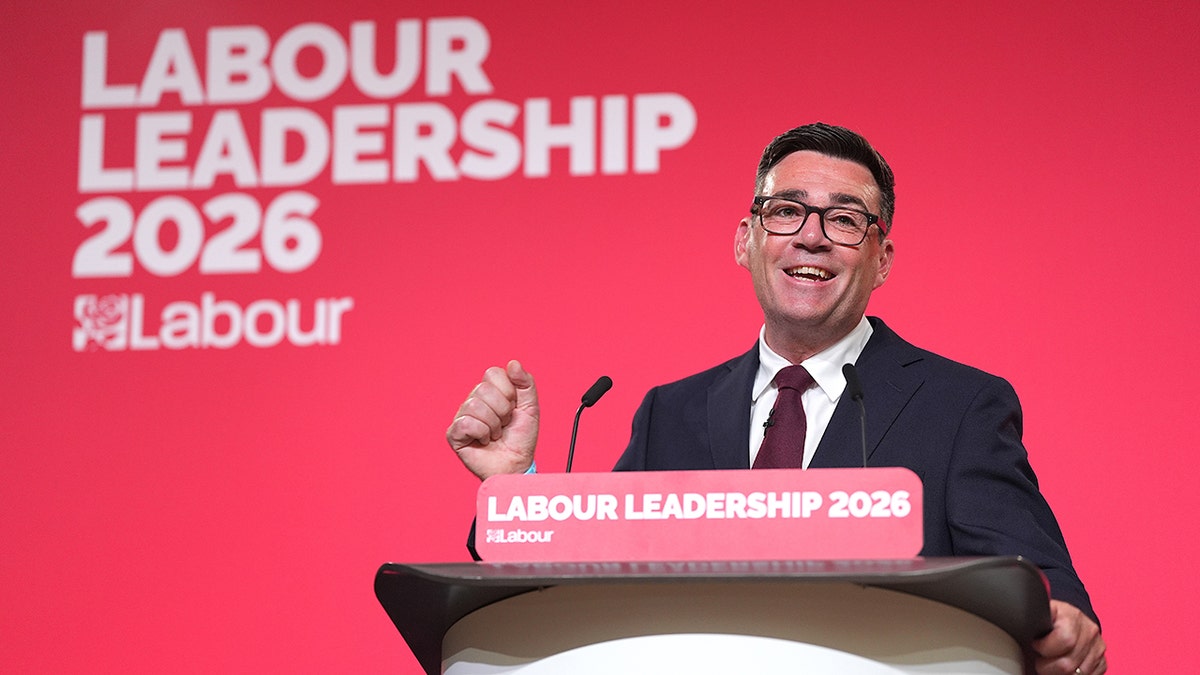
Andy Burnham, the new leader of the Labour Party, criticized the 1980s economic model implemented by Margaret Thatcher in his first speech. He pledged to increase public control over essential services, suggesting a shift to the left from outgoing Prime Minister Keir Starmer. Burnham will assume the role of prime minister on Monday.
During his address on July 17 in London, Burnham highlighted that the UK made significant missteps in the 1980s. He noted that political power became centralized and economic influence shifted to private companies, causing essential services like housing, water, energy, and transport costs to rise for citizens.
“The government I lead will confidently lay that path out starting next week,” Burnham stated, marking what he termed the most significant political transition in four decades.
Alan Mendoza from the Henry Jackson Society remarked that while Burnham’s speech was ideologically clear, it lacked detailed plans for implementation. He posed questions about Burnham’s intentions, asking whether they involved past socialism or a form of statism.
Burnham indicated a pivot from Starmer’s cautious economic stance. He outlined plans for increased state ownership, expanded housing, greater regional governance, and elevated state roles in essential services. He assured that Labour would not mimic right or far-left parties.
Historical context includes Britain’s ‘Winter of Discontent’ in 1978-79 and the resulting election of Thatcher’s Conservatives. The Adam Smith Institute responded by defending Thatcher’s era, citing economic improvements such as reduced tax rates, privatizations, and increased homeownership.
The institute highlighted key economic changes from the 1980s, noting reductions in income and corporate tax rates and a significant drop in inflation. It also reported a decrease in working days lost to strikes and an increase in homeownership and individual shareholders.
Emma Schubart of the Henry Jackson Society criticized Burnham’s economic understanding, labeling his criticism of Thatcher policies as needless. She pointed out the contradiction in Burnham’s message of national renewal while proposing to dismantle 1980s reforms.
Burnham aims to align with businesses while advocating for more public control and new regional powers. The ideological shift poses a political challenge as Burnham must navigate Labour’s factions and financial market responses without having won a national election.
Mendoza warned of potential U.S.-UK tensions under Burnham’s leadership. Aligning with U.S. policies might alienate the voting coalition Burnham seeks, whereas conflicts with the U.S. could harm national security and the UK-U.S. alliance.
Burnham is set to be sworn in by King Charles III on Monday.
Leave a Reply