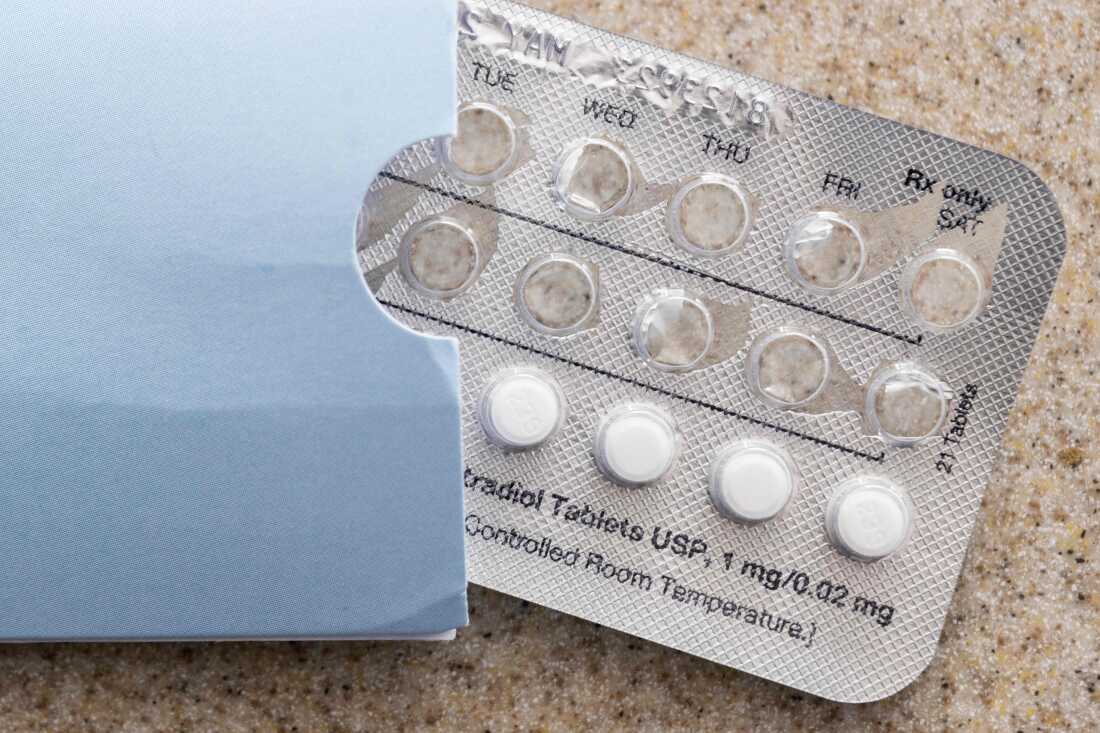
A growing number of influencers in the ‘Make America Healthy Again’ and ‘trad wife’ communities highlight the drawbacks of hormonal birth control. Research indicates few of these influencers possess medical expertise.
Shortly after the Supreme Court’s 2022 decision to overturn Roe v. Wade, numerous reports emerged about the impact of new state abortion bans on birth control choices. Data confirmed these stories. Increased use of long-acting and permanent birth control options was observed. People turned to intrauterine devices, implants, and procedures like vasectomies and tubal ligation.
Dr. Caitlin Bernard, an OB-GYN in Indianapolis, notes that her patients now rarely mention the state’s abortion ban, having become accustomed to it. Bernard, who leads a free birth control program, explains that other factors now influence contraception decisions, such as personal preferences and insurance coverage. Financial concerns also deter some from visiting the doctor to avoid unexpected bills.
Social Media’s Impact
Bernard highlights another factor affecting decisions: social media. Influencers in the ‘Make America Healthy Again’ and ‘trad wife’ movements discuss hormonal birth control negatively. These messages are prevalent on social media. Despite evidence supporting hormonal birth control’s safety and effectiveness, many videos overstate side effects and downplay non-hormonal options’ negatives. Typically, these are not medical professionals.
“There is definitely a social media phenomenon of wellness influencers with non-evidence-based personal experiences,” states Cynthia Harper, contraception researcher at the University of California, San Francisco.
This social media influence merges with ideological and policy narratives advocating traditional female roles, contributing to greater maligning of contraception.
Political Forces and Access
Harper points to political actions that have reduced birth control access, such as funding cuts for reproductive health providers during the Trump administration. She notes that these factors have affected contraception access.
Unexpected Trends
Despite abortion bans, the number of abortions has risen. Harper suggests this might relate to limited birth control, leading to more unplanned pregnancies and, consequently, more abortions. However, she acknowledges this hypothesis needs further investigation.
Brittni Frederiksen of KFF argues that increased abortion accessibility, especially via telehealth medication abortions, is responsible for the rising numbers. This method, popularized during the COVID-19 pandemic, allows patients to receive abortion pills through pharmacies or mail following a virtual consultation. A Louisiana lawsuit currently threatens to limit this option nationwide.
Birth Control Use Data
As for birth control’s status, Frederiksen refers to KFF’s biennial women’s health survey. In 2024, 82% of sexually active women of reproductive age used contraception, while 6% did not. The remainder were pregnant, attempting pregnancy, or unable to conceive. Preliminary 2026 data indicates similar results. Although cultural and political shifts affect contraception views and funding, these are not yet fully apparent in the data.
Leave a Reply