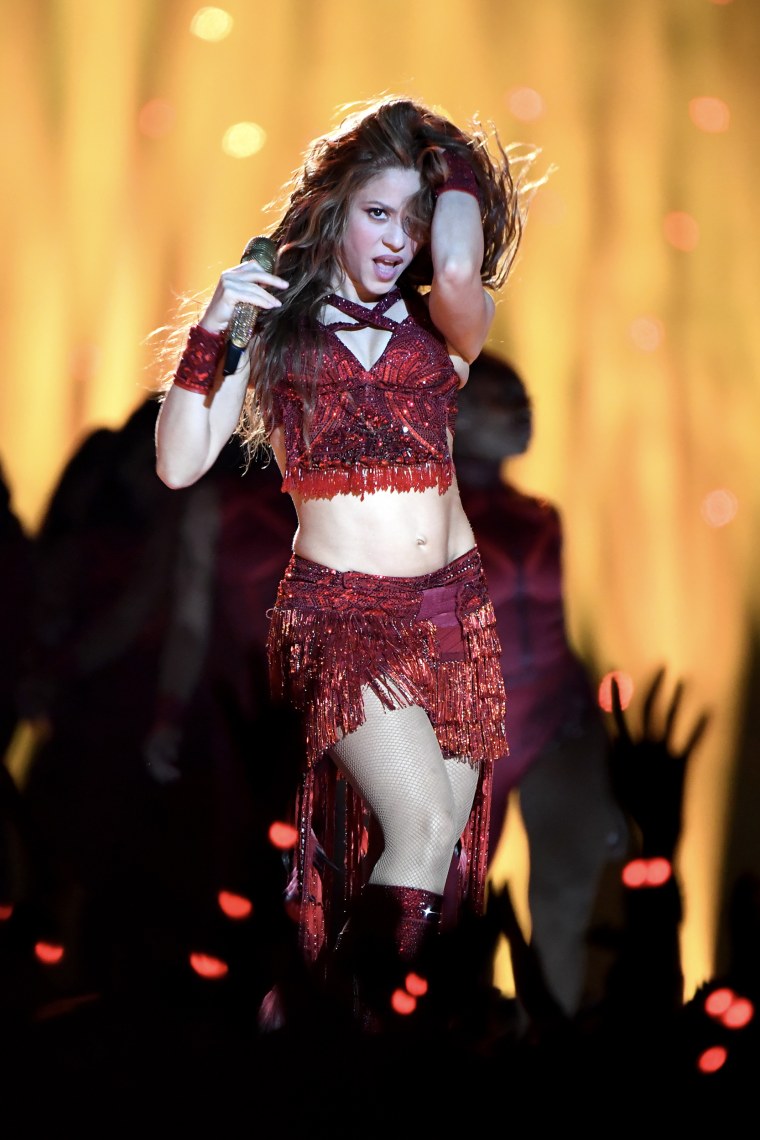
The FIFA World Cup final on Sunday may feel familiar to American viewers. This year, the event will feature its own version of a halftime show. FIFA seems to have taken inspiration from the Super Bowl. However, unlike the famed Super Bowl performances, the World Cup halftime show does not carry the same level of excitement among critics. Many view it as a departure from the traditional spirit of the sport.
Hydration breaks have been present in this tournament. Previously, FIFA used cooling breaks during events like the 2014 World Cup in Brazil. These breaks aimed to address extreme temperatures. For the first time, FIFA mandated hydration breaks within each game, lasting three minutes each. Critics argue this change disrupts the traditional flow, turning matches into quarters.
Thomas Tuchel, England coach, remarked, “It interrupts and changes the identity of a football match much more than I thought.”
Uruguay coach Marcelo Bielsa shared, “Playing four periods instead of two alters the culturally constructed conception of how to interpret football. It adds nothing and takes away a lot.”
Despite initial resistance, coaches like Mauricio Pochettino from the U.S. found practical uses for the breaks. He used them to discuss tactics with players during a pre-tournament match. Sergiño Dest, a player for the U.S., viewed the breaks positively.
“It’s also a chance to kind of settle and talk with your teammates. It can be nice,” Dest noted.
Halftime at the World Cup final will extend beyond the usual 15 minutes to accommodate performances by Justin Bieber, Madonna, Shakira, and BTS. The break might last up to 25 minutes. This extended break raises concerns among coaches about its impact on players.
Colombia coach Nestor Lorenzo said, “Those minutes of recovery in the dressing room… people don’t understand what it takes to reach those levels.”
FIFA also announced that, for the first time, Sunday’s winning players will receive championship rings. This practice is popular in American sports. FIFA’s statement describes the rings as a move to introduce a recognizable American sporting tradition to the global game.
With these changes, FIFA continues to blend different cultural elements into the World Cup.
Leave a Reply