Iran has issued a statement indicating that an agreement to end the conflict with the United States is not on the horizon, despite earlier speculations. President Donald Trump had previously raised expectations of a potential deal but later tempered these assertions. Tehran acknowledged there has been progress in negotiations but emphasized that an announcement is not anticipated soon.
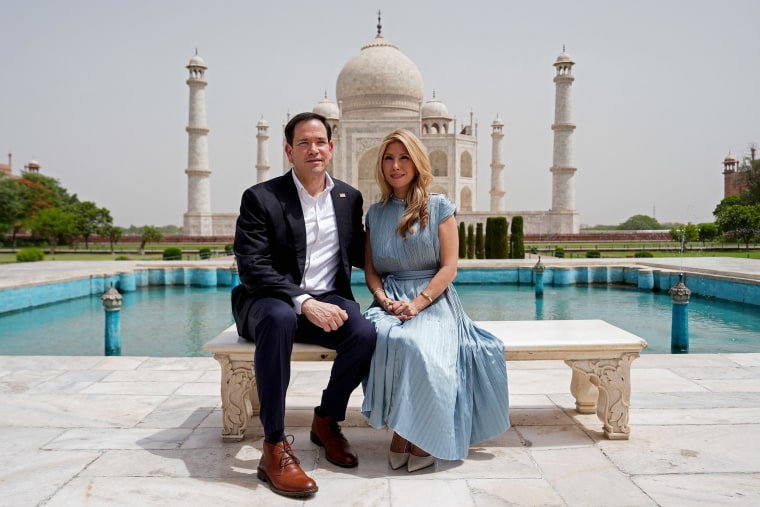
Secretary of State Marco Rubio has expressed that a deal remains possible, as he addressed the media during his visit to New Delhi. He emphasized the importance of achieving a ‘good agreement,’ indicating the U.S. would prefer such an outcome. Rubio stated that the U.S. has a solid proposition on the table and expressed hope for potential news in the near future. He also noted that the U.S. would exhaust diplomatic channels before considering other options.
President Trump supported this stance by suggesting, via a social media post, that the deal would be substantial in nature if realized. He reversed previous statements hinting at an imminent deal, underscoring that he would not rush into an agreement.
Iran’s chief negotiators, including Parliament Speaker Mohammad Bagher Ghalibaf and Foreign Minister Abbas Araghchi, have arrived in Doha for ongoing discussions. Qatar plays a crucial role in mediating the negotiations, leveraging its position as an influential facilitator. However, Iranian officials maintain a cautious tone, particularly regarding details of the potential nuclear agreement.
Esmail Baghaei, spokesperson for Iran’s Foreign Affairs Ministry, emphasized that current discussions are focused on ending the conflict and not the specifics of the nuclear issue. He clarified that the negotiations have reached conclusions on numerous topics, yet this does not signify any imminent signing of an agreement.
Details of a memorandum of understanding provoked reactions, with some Republican lawmakers expressing concerns about potential repercussions. In response, Trump critiqued detractors labeling them disparagingly.
The agreement in development does not address specifics regarding the management of the Strait of Hormuz, leaving such matters to neighboring coastal states. The closure of this critical waterway has affected global energy markets. Nonetheless, oil prices recently fell as optimism rose over a possible deal.
The framework for a potential agreement includes commitments from both parties. Iran would pledge not to develop nuclear weapons and relinquish enriched uranium. Additionally, efforts to clear and reopen the Strait of Hormuz for business are underway. Following compliance, the U.S. would gradually lift naval restrictions and provide economic relief to Iran.
A 60-day period is allotted for the comprehensive peace deal to be finalized. This timeline coincides with upcoming midterm elections, potentially influencing political dynamics. Active roles are played by mediators such as Pakistani Prime Minister Shehbaz Sharif, engaging key stakeholders including China, an influential ally of Iran.
Iran prioritizes cessation of Israeli attacks on Lebanon, involving Hezbollah, a group supported by Tehran. Iranian officials hope discussions include Lebanon. Israeli Prime Minister Benjamin Netanyahu has confirmed discussions with Trump concerning the elimination of the nuclear threat and Israel’s rights to self-defense.
Leave a Reply