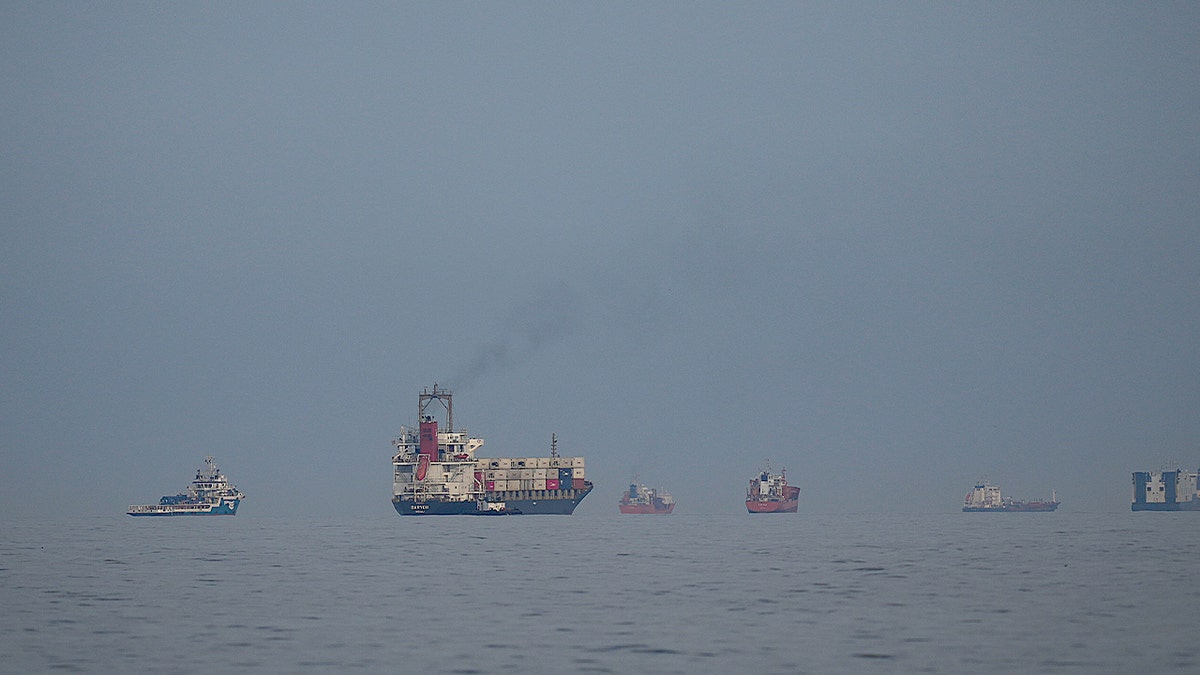
Iran’s oil industry is under intense pressure due to a U.S. blockade affecting its crude exports. According to Fox Business correspondent Lauren Simonetti, the situation on Kharg Island represents a significant threat, as Iran’s storage tanks are currently 77% full. Furthermore, 46 Iranian oil ships are currently caught in a blockade enforced by U.S. warships.
While the blockade restricts new oil exports, Iran has been using ship-to-ship transfers to circumvent sanctions. Currently, about 40 million barrels of Iranian crude are floating aboard tankers near Malaysia, east of Singapore. This amounts to roughly 20 very large crude carriers’ worth of oil, potentially allowing Tehran to monetize these floating stockpiles outside the blockade zone.
The Trump administration faces a challenge, as Iran aims to turn existing stockpiles into cash despite restrictions. Treasury Secretary Scott Bessent has implemented Operation Economic Outcast, promising a “zero-leakage approach” intended to cut off revenue streams after prolonged pressure on Iran’s oil sales and shipping networks.
Imports by China of Iranian crude have decreased significantly, dropping from an estimated 823,000 barrels per day in July to 534,000 barrels per day this month. Yet, millions of barrels remain within reach of buyers, presenting a test for the U.S. government’s ability to achieve “total isolation” of Iran.
Iranian oil evades sanctions via ship-to-ship transfers, obscuring its origin before sale, often to independent Chinese refineries. Collecting payment and moving proceeds through financial channels remains necessary for Tehran to benefit from these sales.
The U.S. has taken measures against entities accused of facilitating Iranian sanctions evasion, though it has yet failed to designate crucial financial institutions. Former Treasury official Max Meizlish emphasizes that the U.S. pressure campaign affects Chinese purchases but does not address the oil on shadow-fleet tankers.
The administration has sanctioned vessels involved in illicit transfers near Malaysia, further targeting pathways for Iranian oil. Meizlish suggests expanding pressure on shadow-fleet vessels to prevent oil from reaching buyers.
While the blockade disrupts fresh exports, the situation with tankers near Malaysia remains a potential revenue source for Tehran. Future U.S. actions will determine how effectively the administration can enforce “zero leakage”.
A War Department official stated that U.S. forces would continue “global maritime enforcement” to disrupt networks supporting Iran. Bessent’s new campaign additionally targets digital assets, technology, gold, aviation, and shipping.
Meizlish and others argue for more Congressional support in seizing illicit cargoes and expanding capacity to target vessels if the Navy is unable. The effectiveness of these efforts will shape Iran’s future financial lifelines.
Leave a Reply