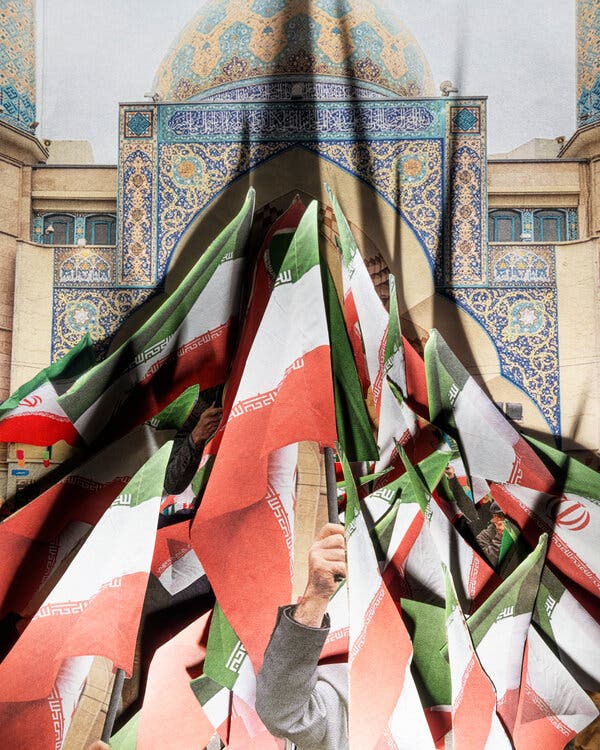
Prime Minister Mossadegh’s Legacy
On October 22, 1951, Prime Minister Mohammad Mossadegh of Iran stood before the Liberty Bell in Philadelphia, addressing a crowd at Independence Hall. He spoke of American liberty, comparing the U.S. struggle for independence with Iran’s ongoing efforts to free itself from British control over its affairs and resources. Mossadegh proclaimed, “The creed of national independence is a universal one, and it is held by all peoples,” in his distinctive solemn whisper.
Despite his admiration for American ideals, Mossadegh faced a coup orchestrated by the United States and Britain two years later. The coup was a response to his decision to nationalize Iranian oil and take control from the British-owned Anglo-Iranian Oil Company. This event highlighted the global pursuit of new national identities post-colonialism.
Iran’s Modern Resistance
Today, Iran’s resistance against Western pressure is once again prominent. This has become a central issue in the narrative of global politics, particularly after President Trump’s policies led to conflict with Iran. Many non-Western countries express solidarity with Iran, even if they disapprove of its internal and regional policies.
This reaction stems from the perception that the U.S. and Israel’s war against Iran represents a tale of violent repercussions for states that diverge from Western powers. The global community perceives this conflict as part of adapting to Trump’s transactional foreign policy. As smaller and mid-sized powers seek to assert sovereignty, they might reduce reliance on the U.S. while fostering relations with China and other nations.
The conflict with Iran has become a pivotal moment in this shifting dynamic. Iran has demonstrated its capability to influence key maritime routes, impact the global economy, and withstand military aggression from the world’s strongest army. This has granted Iranian leadership a significant position in the evolving global landscape. Once seen as isolated and sanctioned, Iran is now perceived by many as a symbol of essential defiance and fortitude.
Leave a Reply