Iran’s recent demands concerning the Strait of Hormuz suggest Tehran believes it holds an advantageous position against the United States, according to former Defense Secretary Mark Esper. As talks about this crucial shipping route progress, these demands highlight a tense phase in negotiations.
Iran’s Conditions for Reopening
Iran aims to finalize a deal with Oman to establish new shipping routes through the strait. However, Iran insists that the waterway will not fully reopen unless the U.S. meets additional conditions, including compensation and relief from sanctions. Esper criticized these demands as excessive and non-negotiable during his appearance on ABC’s This Week.
The White House has been approached for comments on the situation.
Significance of the Strait of Hormuz
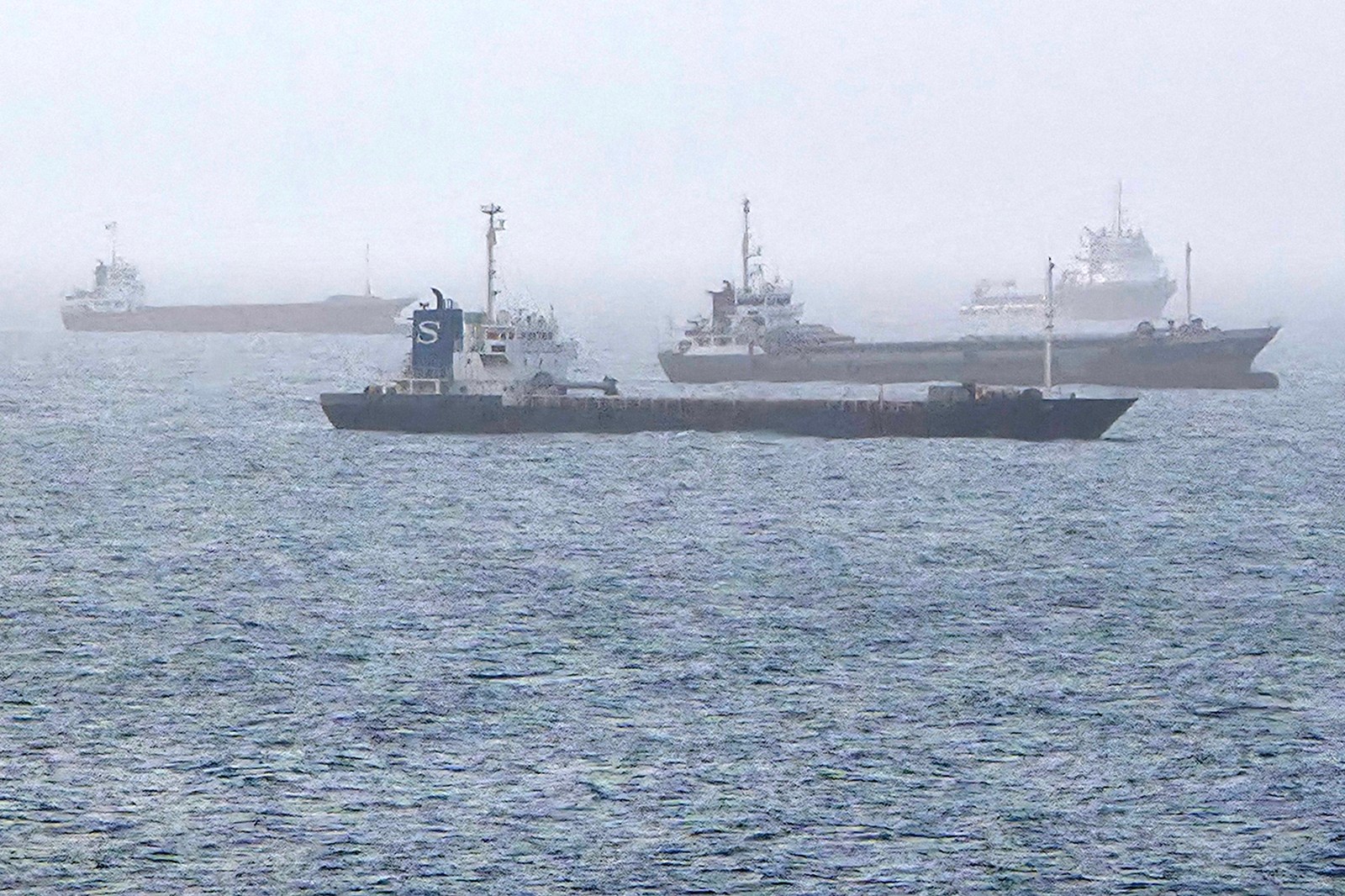
The Strait of Hormuz is a pivotal channel, handling about 20% of global oil shipments. The route has been a focal point in the conflict involving Iran, the U.S., and its allies after Tehran imposed shipping restrictions following military operations by the U.S. and Israel earlier this year.
Iranian Foreign Minister Abbas Araghchi announced that the shipping agreement with Oman is nearing completion but reiterated the need for the U.S. to address Iran’s broader demands. These include compensation for damages, lifting sanctions, and measures to ensure unrestricted commercial traffic through the strait. Mohammad Bagher Zolghadr, Iran’s Supreme National Security Council secretary, stressed the demands represent the Iranian people’s will.
Tehran’s Confident Stance
Esper interprets Iran’s demands as a sign of confidence, not compromise. These include halting U.S. military operations against Iran and its regional allies, removing sanctions, and ending the U.S. naval blockade. Furthermore, Iran wants American naval and air forces withdrawn from the region and frozen Iranian assets released.
Joshua Tallis, director of the Center for Naval Analyses’ Ally and Partner Security Affairs program, noted that Iran can significantly influence global trading with limited resources, affecting shipping lines, insurance companies, and seafarers.
Critics argue that granting Iran control over shipping routes in the strait could challenge norms around freedom of navigation and embolden Tehran strategically.
Contrasting Views on Diplomacy
Esper’s views contrast with former President Trump’s optimism regarding progress in reopening the strait. Vice President JD Vance stated Iran is under economic pressure and seeks conflict resolution.
Esper acknowledged Iran’s economic difficulties, noting the regime faces its worst crisis in decades. Despite this, Tehran’s military leadership remains decisive.
Esper recommended an economic blockade combined with international pressure to mitigate Iran’s influence, urging coordination with U.S. allies in Europe and Asia.
Potential for Escalation
Esper highlighted recent regional attacks as indicators of Iran’s attempt to escalate conflict. Incidents include a Houthi attack on a Saudi refinery and Iran’s reported aggression towards a UAE ship.
These developments raise concerns about energy supply disruptions and potential regional confrontations.
The Path Forward
Attention remains on whether Iran and Oman finalize their agreement and whether Iran’s terms allow for broader negotiation with the U.S. Any agreement on traffic through the Strait of Hormuz could bolster Tehran’s influence in the region.
As talks continue, the ability to reach a consensus holds significance not only for resolving the current conflict but also for shaping regional dynamics.
Leave a Reply