Israeli Forces Cross Litani River
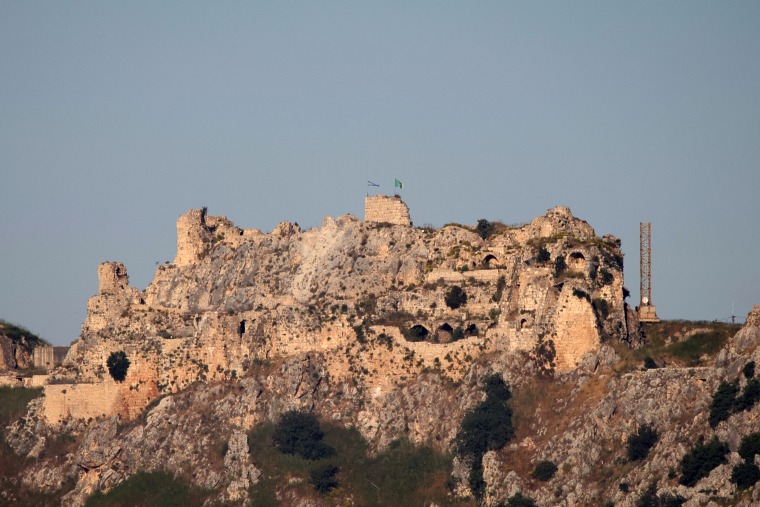
Israeli troops have crossed the Litani River, reaching a strategic site in Lebanon according to Defense Minister Israel Katz. This marks Israel’s deepest pursuit into Lebanon in 26 years. The location, Beaufort Ridge, features a medieval castle and was taken after intense combats in southern Lebanon. Prime Minister Benjamin Netanyahu earlier stated he was ‘intensifying operations’ in Lebanon, despite an April ceasefire.
The advance occurs amid efforts for peace talks between Israel and Lebanon. Officials from both nations gathered in Washington to discuss the ceasefire managing breaches accused by Israel and Hezbollah respectively. Katz proclaimed, ‘The Israeli flag is flying over the peaks overlooking the communities of the Galilee.’ He mentioned soldiers will remain there as part of the security zone in Lebanon. ‘The campaign is not yet over,’ he asserted on social media.
Historical and Strategic Significance
An image from Avichay Adraee, the Israeli army’s Arabic spokesperson, appeared online showing soldiers near Beaufort Castle, also known as Qalaat al-Shaqif. Israeli forces first captured this site in the 1982 invasion and maintained control until their 2000 withdrawal. UNESCO, the U.N. cultural agency, expressed alarm over attacks near the castle, reiterating the need for its protection.
The recent crossing of the Litani River signals a significant escalation. It has acted as a boundary since previous conflicts, with the southern region under Israeli military while the population was evacuated. Israeli strikes have targeted bridges over the Litani, believed to be used by Hezbollah for smuggling and movements.
Political Dynamics and International Repercussions
The idea of a longstanding occupation has sparked debate. Calls for Israel to permanently control areas south of the Litani River have emerged, claiming security benefits. Some Israeli figures, following earlier comments from David Ben-Gurion, argue the river could serve as a natural border for Israel. Such opinions resurfaced from officials like Finance Minister Bezalel Smotrich, advocating for permanent control.
According to Fawaz Gerges, a London School of Economics professor, Israel risks being entangled in a prolonged conflict by occupying Lebanese land. He emphasizes that, despite military actions, Israel’s stability and security remain at risk due to ongoing threats from Hezbollah.
Military Campaign Intensifies
Netanyahu visited the northern border and praised the military’s successes in advancing across Lebanon. He claimed ‘a crushing blow’ is being dealt to Hezbollah. However, Israel’s National Security Minister, Itamar Ben Gvir, urged Netanyahu to further escalate actions in Beirut.
The conflict has been a major consequence of the Iran war, displacing over 1.2 million Lebanese since March when Hezbollah engaged Israel. Lebanon’s health ministry reported 3,350 fatalities due to Israeli attacks, whereas Israeli authorities reported 25 soldiers and two civilians killed on their side.
Reactions and International Mediation
Lebanon’s Prime Minister Nawaf Salam condemned Israel’s attacks, labeling them collective punishment. Simultaneously, U.S. and Iranian negotiators continue seeking to solidify a truce, needing alignment with the Lebanese situation. An Arab official stated the terms were settled but not finalized.
Defense Secretary Pete Hegseth mentioned patience in negotiations to prevent Iran’s nuclear armament. Yet, Gerges warned that Israel’s invasion could hinder U.S.-Iran deals. He stressed the need for intervention from President Trump to ensure agreement success.
Leave a Reply