The recent controversy involving former Nvidia CEO Jensen Huang could have significant implications for AI infrastructure companies in Southeast Asia, according to industry sources. This situation may result in increased examination of operations in the region.
The issue arose following a New York Times exposé detailing Huang’s affair with Alice Huang, a businesswoman based in Singapore. Allegations suggest she shared sensitive Nvidia information with Beijing. Alice Huang was associated with Megaspeed, a Singaporean data center company, reportedly the largest Nvidia customer in Southeast Asia.
Authorities in the U.S. investigated Megaspeed on suspicions of facilitating Chinese customers’ access to advanced Nvidia AI chips, breaching U.S. export regulations. Huang stepped down from his position amidst these allegations.
Increased Oversight Expected
Experts believe the scandal could tighten scrutiny over AI infrastructure firms in the region. Chris Miller, a professor at Tufts University, explained that Megaspeed primarily constructed data centers in Southeast Asia for Chinese clientele, including Alibaba. He noted that several centers in Malaysia, Thailand, and Singapore engage in similar practices, likely prompting increased oversight from U.S. authorities.
Financial and Operational Implications
Lior Prosor, managing partner at Deep33, highlighted potential impacts on AI infrastructure ventures in the region. He mentioned that the affair might lead to heightened examination of American tech implementations, potentially raising financing costs and adding hurdles for operators.
Chinmoy Baruah, CEO of ChipX, foresees approvals for AI projects in the area becoming more time-consuming as investors demand detailed compliance assurances. This could delay some projects, particularly those with complex structures.
Michael Heinrich, CEO of 0G, predicted that funding would become more selective. Operators proving ownership and use of chips, along with business transparency, are more likely to secure investment.
Long-Term Effects on the Region
Despite these challenges, Baruah believes the scandal will not deter demand for AI infrastructure in Southeast Asia. Instead, it might lead to clearer rules and increased diligence among all stakeholders. He emphasized the region’s strong fundamentals, such as growing digital economies and supportive governments, as vital aspects attracting global digital infrastructure investment.
Prosor also noted the scarcity of AI compute and the willingness of capital to invest in reliable infrastructure development, underscoring Southeast Asia’s crucial role in this endeavor.
Data Center Expansion in Southeast Asia
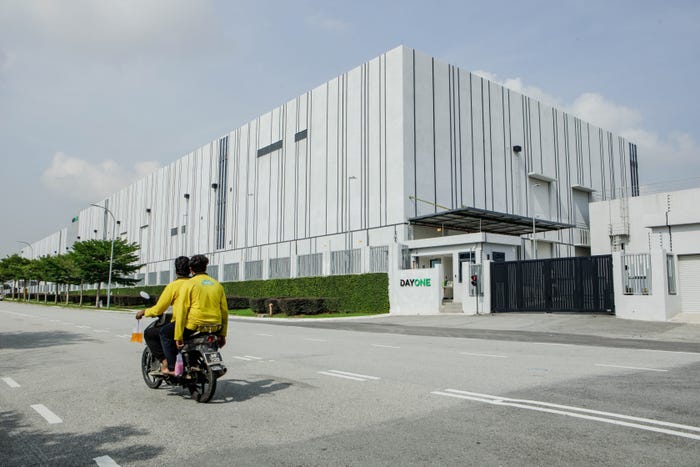
The scandal coincides with a significant boom in the region’s data center industry. Ember Energy identified ASEAN as a burgeoning global data center hub due to favorable construction costs and energy levies.
For instance, Malaysia reported a dramatic increase in data center operations, reaching about 1.3 gigawatts in June, with further developments projected. Indonesia also demonstrated substantial capacity growth, with ongoing and planned expansions.
Nvidia and Leadership Changes
Nvidia experienced turbulence following the scandal. Its stock faced setbacks post-U.S. midterm elections. Another report emerged detailing Huang’s second affair, contributing to the board’s decision to replace him. Nvidia announced CFO Colette Kress as interim CEO.
Leave a Reply