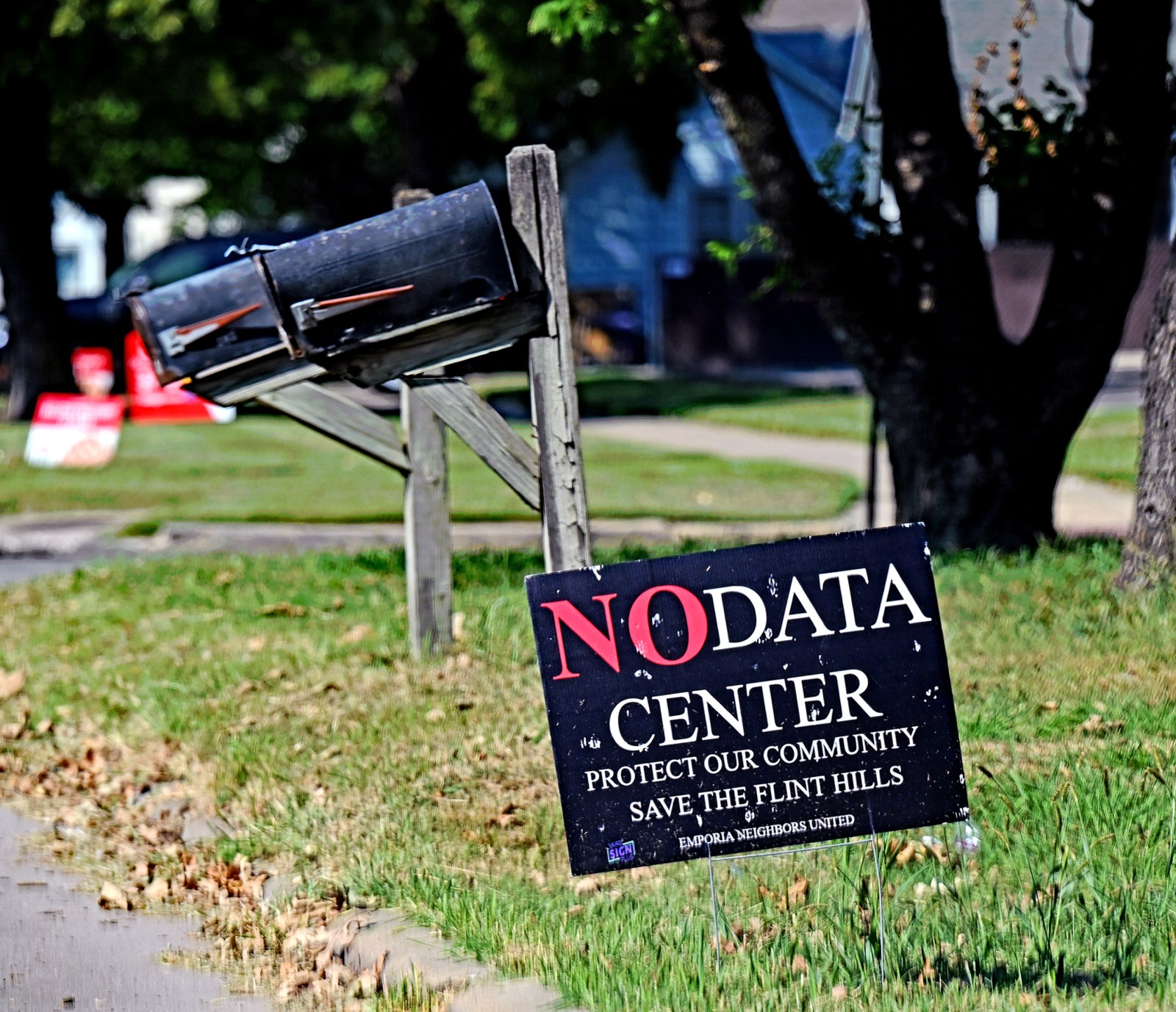
Three cities in Kansas—Edgerton, El Dorado, and Emporia—are engaged in legal battles against citizen petitions aimed at restricting or banning large-scale data centers. This conflict highlights the tension between technological advancement and local governance.
Edgerton’s Legal Challenge
Edgerton launched its lawsuit on August 4, targeting residents Carries Schmidt and Kimberly Twente, as well as the Public Trust Collective. The petition they initiated sought to limit data center developments due to concerns over electricity and water usage. Though the petition gathered enough valid signatures for progression under Kansas law, the City Council opted to challenge it in court. City officials argue that the proposed ordinance contains factual errors and mischaracterizes city actions regarding water and electricity supply. Edgerton does not supply water nor does it control electricity in the area.
City Attorney Todd Luckman emphasized that the lawsuit named residents to ensure their participation in the case. Residents assert that their initiative was constitutionally protected speech.
El Dorado and Judicial Interpretation
El Dorado filed its lawsuit on July 14 to dispute a petition prohibiting “high-impact” data centers. Local residents, opposed to such developments, gathered approximately 700 signatures. The heart of the legal argument revolved around whether the ordinance was legislative or administrative. A district court ruled the ordinance was legislative, allowing the petition process to continue. The decision requires El Dorado to either adopt the measure or let voters decide its fate.
This ruling is significant as it provides a precedent that citizen-led data center restrictions are legislative matters that voters can initiate.
Emporia’s Path to the Ballot
Emporia filed its legal challenge on August 9, but a court ruling on August 20 compelled the city to put the proposed restrictions to a public vote. This decision ensures that Emporia’s measure will appear on the November 3, 2026, ballot, though legal disputes remain ongoing.
The City’s resolution maintains its legal objections while allowing voters to consider the issue. Tensions have been high, with public meetings becoming contentious to the point of requiring temporary shifts to online formats due to reported threats against city officials.
Understanding Kansas Law
Under Kansas law, residents can propose local ordinances through citizen petitions. The number of required signatures varies by city size. The process is designed to give citizens a direct role in local policy decisions, such as those regarding high-impact data centers. Proposed restrictions focus on centers with high electricity and water demands.
Similar initiatives have arisen in other parts of Kansas, reflecting broader concerns over the environmental and resource impacts of large data centers.
Citizen Engagement and Legal Momentum
For residents involved in these petitions, the legal battles represent a fight for community self-determination. Kim Twente from Edgerton argues that the conflict is about more than one city’s data centers, emphasizing the broader significance of the citizen petition process.
Attorney Baker highlights that protecting these rights is crucial, maintaining that citizens should not face litigation for participating in public policy dialogues.
The data centers, while seen as essential for technological growth, face growing scrutiny over their environmental impact. This national debate often transitions from community discussions to legal settings, as seen in Kansas, underscoring the complexities of balancing infrastructure growth with local priorities.
Leave a Reply