British Prime Minister Keir Starmer has announced his resignation amid mounting pressure from within his party. This decision comes after several mistakes and a decline in voter support, which followed his landslide election victory two years ago. He vowed to remain in his role until the Labour Party selects a new leader.
Potential Successor Emerges
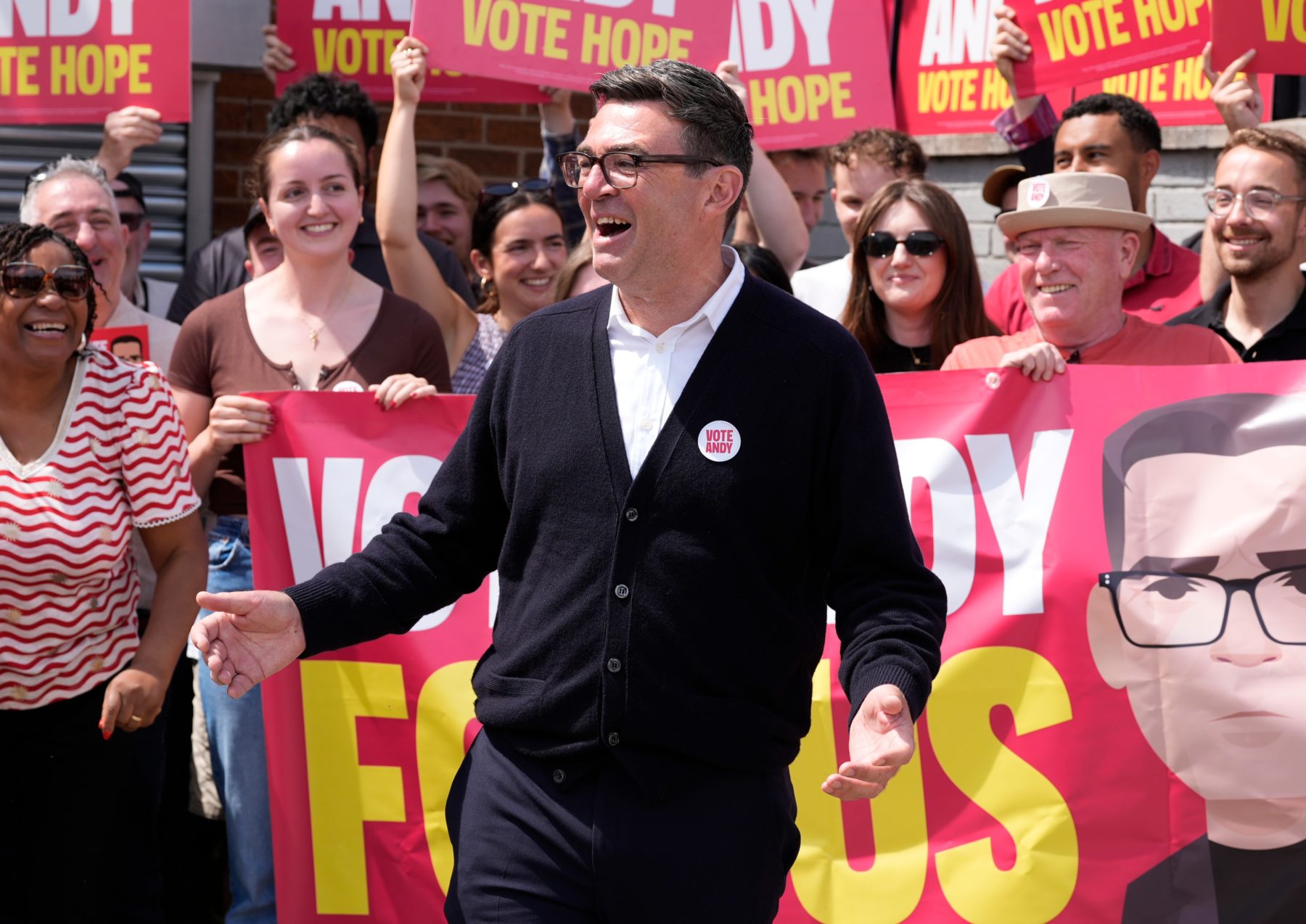
Andy Burnham, the former Mayor of Greater Manchester, is expected to succeed Starmer. Burnham confirmed his intention to vie for the leadership role. Former Health Secretary Wes Streeting has expressed support for Burnham, who won a special parliamentary election recently. Burnham took the oath of office in the House of Commons, a requirement for the party leadership.
Party Dynamics and Upcoming Election
Labour members hope Burnham can rejuvenate the party’s fortunes. Streeting’s backing suggests Burnham may assume leadership without a contest. The next British election is not due until 2029. In response to questions about an early election, Burnham suggested it was too soon to say.
Starmer’s Decision to Resign
Starmer is the sixth UK prime minister in a decade to announce an early departure. His resignation occurs near the 10th anniversary of Britain’s decision to exit the European Union, a move still affecting the nation’s politics and economy. Initially resistant to stepping down, Starmer relented to party pressure, seeking new leadership to boost party standing.
He announced his departure outside his official residence, expressing emotion during his speech. Starmer acknowledged the need for new leadership after failing to maintain his popularity since the 2024 election victory.
Leadership Transition Timeline
Starmer set July 9 as the beginning for leadership nominations, with the new leader expected before Parliament reconvenes on September 1. If Burnham runs unopposed, the leadership change could happen by mid-July.
Challenges Faced by Starmer
Starmer struggled to implement economic improvements and address public service issues. His appointment of Peter Mandelson as the US ambassador drew criticism. Labour’s challenges include losing liberal votes to the Green Party and competition from the Reform UK party.
US President Donald Trump criticized Starmer’s handling of immigration and energy policies, linking them to his resignation. Starmer’s relationship with Trump has deteriorated due to differing views on international issues.
Praise for Starmer’s International Role
Despite domestic issues, Starmer received acclaim for his work on the international stage, particularly his efforts to support Ukraine against Russia and manage Iran-related challenges. European leaders praised his contributions to international security.
Hope for Labour’s Future
Burnham is seen as a strong candidate to connect with voters and address the party’s challenges. Analysts believe he can offer a clearer vision, though they note this may not lead to significant policy changes.
Reporters from both London and Brussels contributed to this coverage.
Leave a Reply