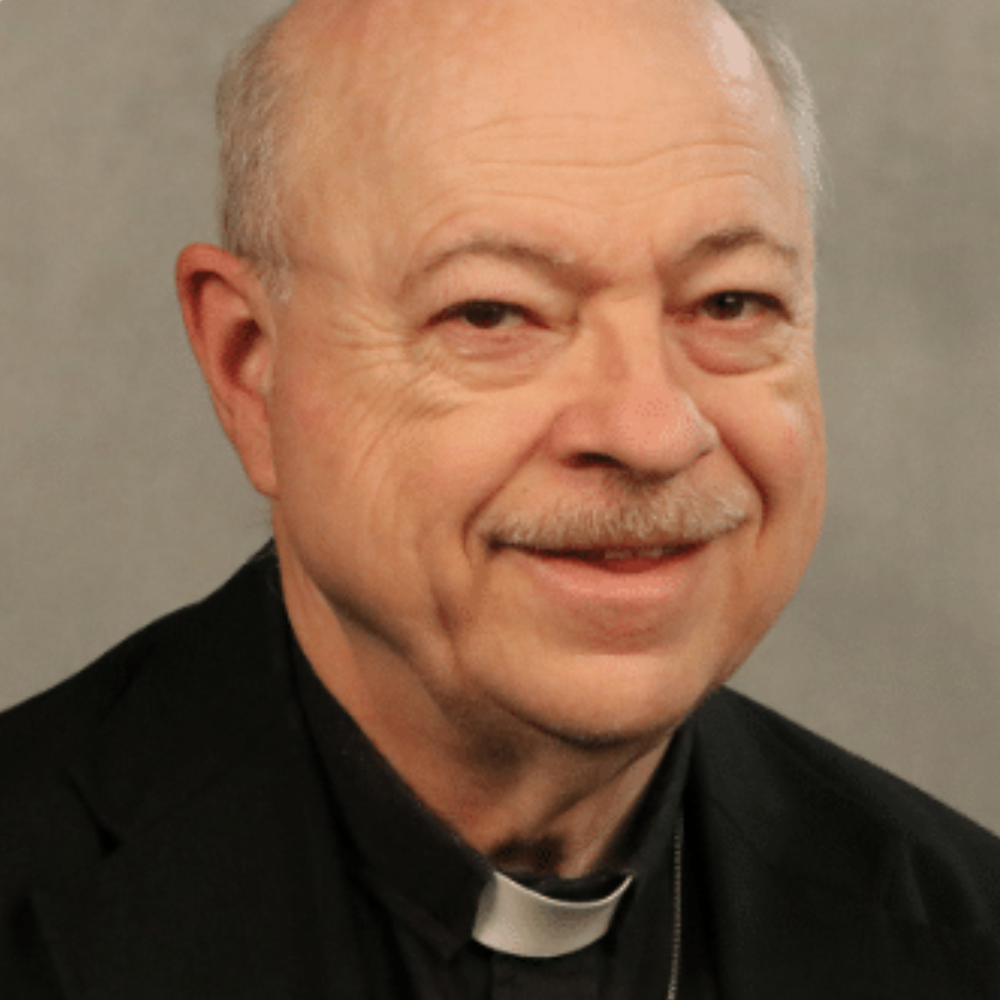
A Catholic bishop in Kentucky has instructed a parish priest to cease celebrating the Traditional Latin Mass, a longstanding form of the Catholic liturgy that dates back prior to modern church reforms. Bishop William F. Medley of the Diocese of Owensboro communicated with Father David Kennedy in May, directing him to stop offering mass according to the 1962 Roman Missal after June 30. This decision comes after a temporary Vatican-approved arrangement that permitted Kennedy to continue the traditional liturgy under specific conditions.
Medley stated he could not confirm those conditions were met—specifically that Kennedy had encouraged parishioners to attend modern mass versions—and therefore could not request additional time from the Vatican. This move exemplifies the ongoing influence of Pope Francis’ 2021 decree Traditionis Custodes, which introduced tighter restrictions on the Traditional Latin Mass, placing the regulatory responsibility on bishops.
The tension over the mass format remains a significant topic within the Catholic Church. Other recent controversies also exist between traditionalists and church leaders, such as the friction with the Society of St. Pius X, a conservative splinter group facing excommunication for planning to consecrate four bishops without papal consent.
Understanding the Traditional Latin Mass
The Traditional Latin Mass follows the 1962 Roman Missal, the last version before a series of Catholic Church reforms in the 1960s. The Novus Ordo, or the mass of Paul VI, became prevalent post-reforms. Both forms may use Latin, but they differ in prayers, readings, and structure.
Pope Francis restricted the older form five years ago, attributing the move to some adherents using it to counter the Second Vatican Council’s reforms, creating divisions within the church. Advocates for the Traditional Latin Mass value it for maintaining longstanding Catholic worship practices. Supporters of the restrictions argue for unity around the modern mass.
In practice, the Traditional Latin Mass is conducted entirely in Latin, retains older prayers and rituals, and is often celebrated with the priest facing the altar. In contrast, the modern mass is usually in local languages and incorporates changes to its order, prayers, and readings.
Bishop Medley’s Communication
In his letter to Kennedy, Medley mentioned he had delayed the decision for nearly a year. Following the death of Pope Francis last April, Medley awaited any potential revisions by Pope Leo XIV regarding Vatican policy on the Traditional Latin Mass.
Medley expressed hope for a revision of restrictions by church authorities, yet saw no signs of forthcoming changes. He indicated his obligation to act “in accord with the direction of the Holy See,” terminating the permission for the older mass form. He did not ban worship in Latin entirely and allowed Kennedy to continue celebrating the modern mass in Latin, with the priest facing the altar, highlighting that the restriction focused on the older rite, not the Latin language itself.
Contact the Newsweek editors on this story: John Fitzpatrick and Shakeema Edwards.
Leave a Reply