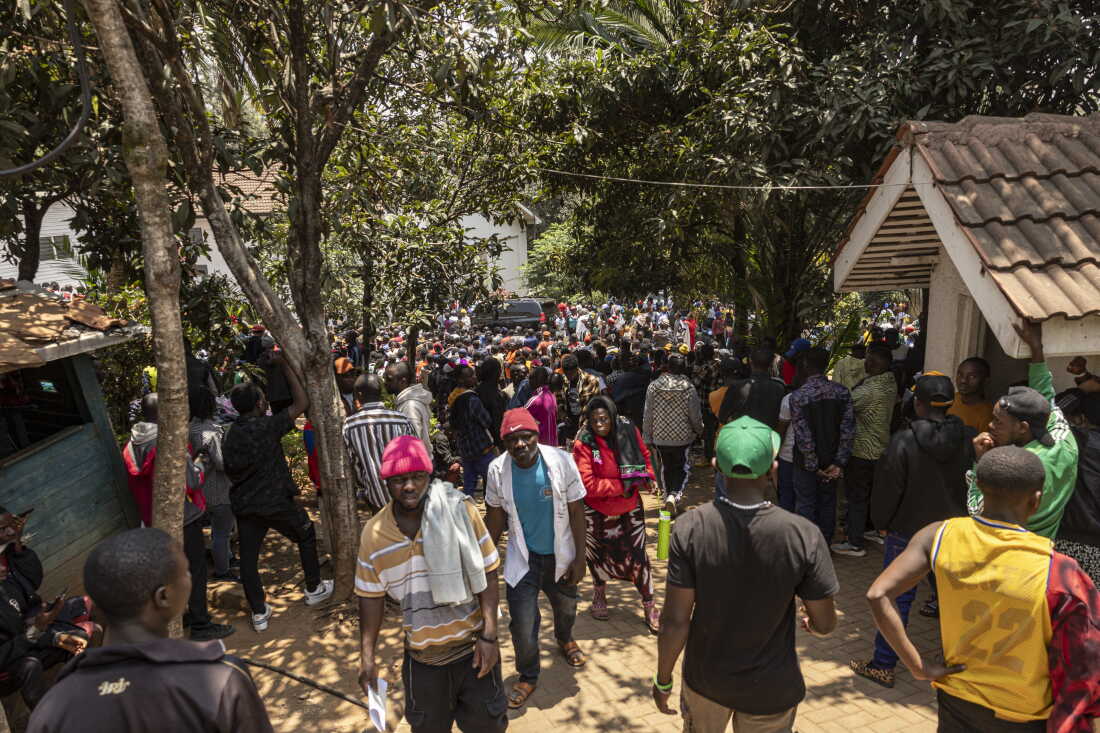
Nairobi, Kenya — In Kibera, one of the largest informal settlements in Nairobi, mornings are bustling. Residents head to work, and vendors prepare for a busy day. However, for foreign traders managing small businesses, challenges have emerged.
Recently, President William Ruto mandated the closure of small-scale businesses operated by foreign nationals, stating such ventures should be exclusive to Kenyans. This directive has created concern among migrant communities.
James Mogaka, who oversees a matatu terminal, notes the immediate effects. He points out that many vehicles, integral to transportation, are owned or operated by immigrants. “Today, their vehicles are missing,” he shares. One driver avoids work, fearing for his Burundian wife’s safety, given her fruit business. “He’s afraid someone might target his wife,” Mogaka explains, expressing uncertainty about future developments.
The announcement has unsettled migrant communities, worried about their livelihoods and security. This situation adds to existing tensions over migration and foreign entrepreneurship in different parts of Africa.
In Nairobi’s central business area, reactions to the directive vary. Local trader Robert Kiberenge criticizes the move, suspecting it’s a distraction from more pressing matters. “We have no issue with foreigners doing small businesses here,” he argues.
Graduate Kiprono Kutuny, however, supports the president’s decision. He emphasizes the need to safeguard local traders, claiming foreign competition involves low-cost labor. “They’ve taken up these businesses with cheap labor,” Kutuny states.
Kenya, a key economic hub in East Africa, is known for its political stability. United Nations data estimates that nearly 993,000 international migrants will reside in Kenya by 2024. The government argues this policy aims to protect local traders in a competitive sector.
Nevertheless, economist Edward Kusewa critiques the directive as misguided. He highlights that it might conflict with the African Continental Free Trade Area’s goals of facilitating trade and movement across borders. “These traders contribute significantly to the economy,” Kusewa stresses.
With elections on the horizon, Ruto must address the debate over small business operations amidst economic challenges. As the government attempts to calm fears, foreign nationals, many from countries like Burundi and the Democratic Republic of Congo, are seeking assistance from their embassies for travel documents.
To mitigate apprehensions, authorities have provided undocumented East African nationals with a 90-day window to secure valid residency and business documents. Yet, for many, the uncertainty about the future has already taken root.
Leave a Reply