During the 2026 Major League Baseball (MLB) season, discussions were rife about the impending labor negotiations. The Collective Bargaining Agreement was set to expire in December, leading to intense focus on upcoming talks.
League Campaign and Salary Cap Proposal
The MLB league office, directed by the 30 current owners, initiated a promotional campaign to gather support for its proposed salary cap. The campaign aimed to highlight the alleged lack of competitive balance due to payroll disparities, suggesting a salary cap as the solution. As early as June, the league’s official communication told fans that many teams had no ‘hope’ for winning a World Series because of these payroll gaps.
One of the posts emphasized, “The biggest issue baseball fans want solved to strengthen the game is fixing the payroll disparity that leaves too many fans without hope of their team competing for a World Series title.” The post proposed a salary cap and floor to level the playing field, promising to address player priorities by sharing baseball revenue equally.
MLB OWNERS REVEAL NEW DETAILS OF SALARY CAP PROPOSAL THAT ALL BUT GUARANTEE A LOCKOUT THIS DECEMBER
Despite these claims, the proposal was misleading. Many teams receive ancillary income excluded from the proposed ’50/50′ split. The promised benefits for small market teams in 2027 raise questions about why these solutions were not applicable in 2026.
Postseason Realities
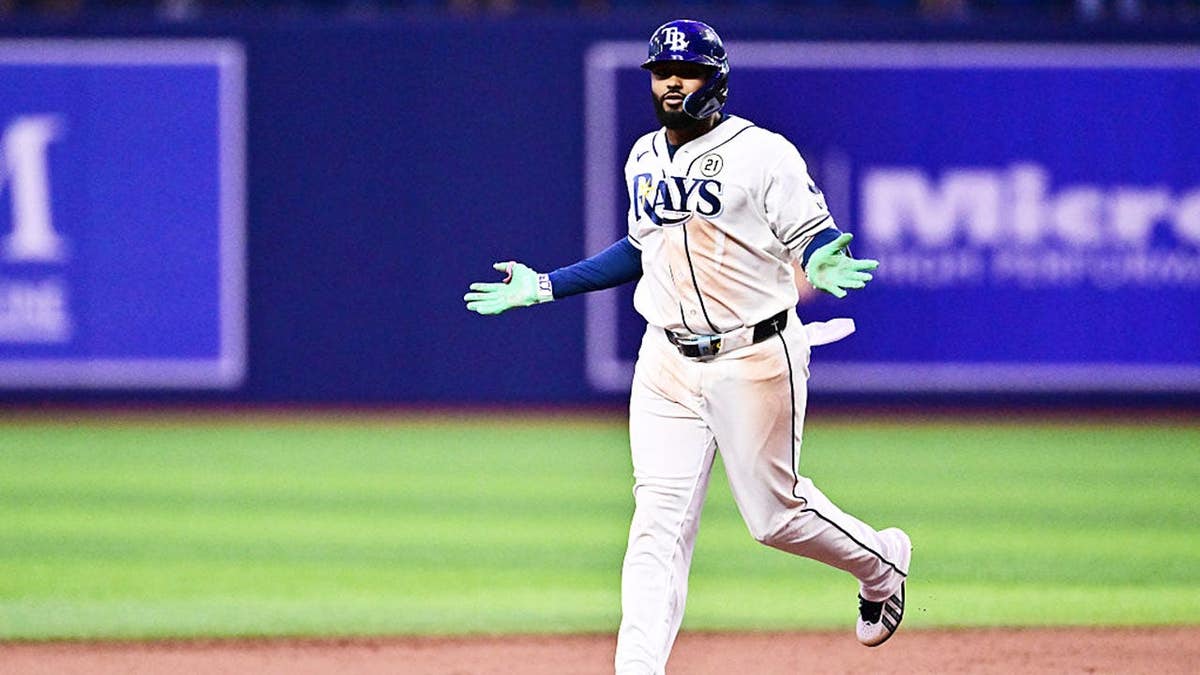
The outcomes of the postseason challenged the narrative that higher spending guarantees success. By Wednesday, the Dodgers, Brewers, and Tampa Bay Rays had all advanced in their respective league championship series. With teams like the White Sox and Cleveland Guardians also in contention, five teams remained out of thirty. These teams ranked notably low in payroll spending in 2026:
- No. 2 – Los Angeles Dodgers
- No. 19 – Milwaukee Brewers
- No. 24 – Chicago White Sox
- No. 28 – Tampa Bay Rays
- No. 30 – Cleveland Guardians
The Dodgers were favored to win the World Series. However, the Brewers and other teams demonstrated that lower payrolls did not preclude postseason success. The Tampa Bay Rays, with a minimal payroll, easily defeated the Yankees in a 3-0 sweep, further contradicting the league’s narrative.
Skepticism Among Fans
The post-season outcomes highlighted a discrepancy between ‘hope’ and actual success on the field. Fans of the Rays or White Sox may not have anticipated a strong postseason run. Similarly, Milwaukee fans experienced an improved season despite off-season trades. Chicago’s performance, after a historically poor season, was unexpected. The Brewers sustained their performance without key players but still managed a top record.
Lessons from History
Historically, financial resources contribute to success, but strategic management plays a crucial role. Viewed from as far back as 2010, teams with smart management have consistently performed well, irrespective of their payroll rankings:
- Los Angeles Dodgers – 8 LCS appearances
- Houston Astros – 7
- New York Yankees – 6
- Others like Milwaukee Brewers, St. Louis Cardinals, and more, with multiple appearances
Notably, while the Dodgers have been a dominant force, smaller market teams, such as the Tampa Bay Rays and the Kansas City Royals, have managed to reach the League Championship Series (LCS) multiple times. Additionally, some large market teams like the Los Angeles Angels have struggled to make significant postseason impacts.
In summary, financial resources support success, but assurance comes from how effectively those resources are used. The evidence suggests that many organizations, despite league suggestions, have grounds for optimism.
Leave a Reply