The stability of cartels in the Western Hemisphere is in turmoil. The Trump administration treats this region as a security issue, sidelining diplomatic protocols. Venezuela’s Nicolás Maduro is now in U.S. custody. Colombia’s President Abelardo de la Espriella opposes negotiations with armed groups. He aligns with the United States on cartel enforcement. Argentina, Chile, Ecuador, and Paraguay have joined forces with the U.S. in tackling cartel networks.
The Shield of the Americas coalition targets these groups. However, some countries remain outside this coalition, including Mexico, Brazil, Cuba, and Nicaragua. This represents the Donroe Doctrine at work. It emphasizes American influence over migration, Chinese interests, and drug trades.
The operational landscape for the Sinaloa and Jalisco New Generation Cartel (CJNG) is changing rapidly. In Mexico, the CJNG leader’s death led to unrest and violence. Cuba is losing its logistical edge, weakening as a state. Many Cubans have left since 2021, underscoring instability. Secretary of State Marco Rubio acknowledges these shifts, noting Cuba’s waning influence in intelligence circles.
Mexico feels isolated, with its government hesitant to join regional efforts due to fears of U.S. intervention. A change in Brazilian leadership could further isolate Mexico. Diplomatically, this raises costs for those protecting drug lords openly.
Cartels have adapted to these changes. In August, Spanish authorities dismantled a CJNG-linked operation moving methamphetamine to Europe, indicating a shift to synthetic drugs. Colombian policies have shifted as well. The new president severed ties with armed groups, and U.S. influence pressures Venezuela’s Cartel de los Soles. Strikes against drug-smuggling boats have significantly disrupted Caribbean routes.
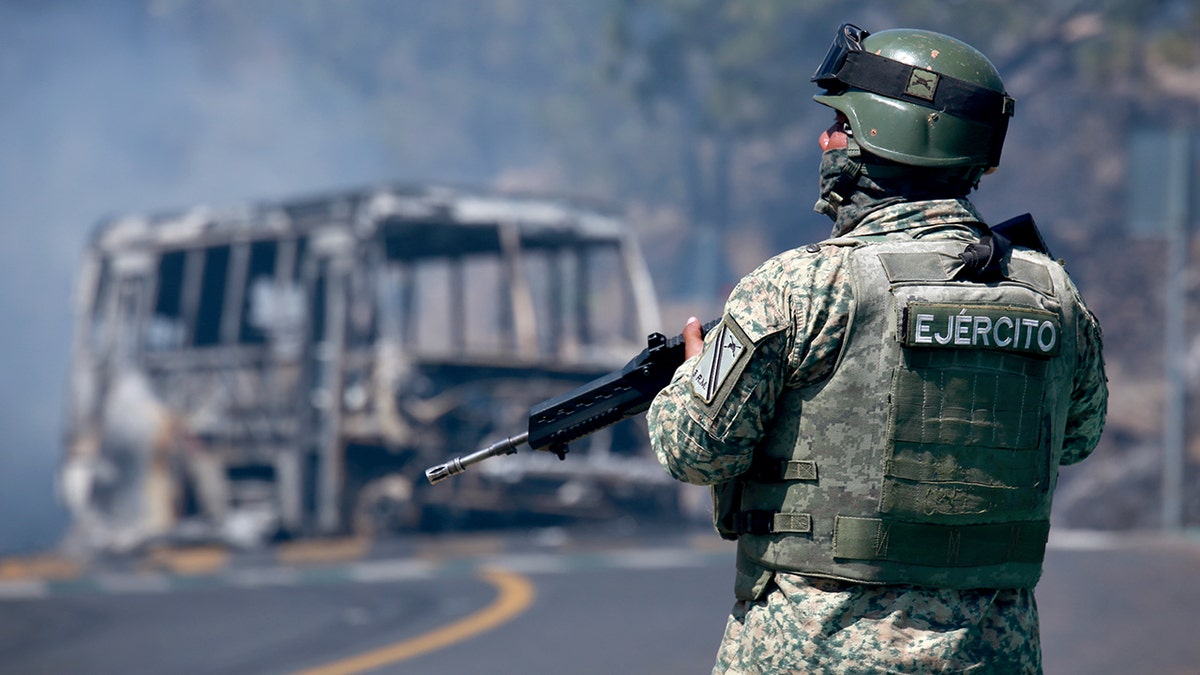
Violence rises as cartels adjust. Mexican troops were targeted in attacks planned by former Colombian soldiers, skilled in military tactics. They fulfill mercenary roles, offering expertise in ambushes and explosives. Technology, notably drones, plays a crucial role. Cartels use drones for explosive deliveries, and evidence shows Mexican and Colombian nationals have joined Ukraine’s International Legion, honing skills transferable to Western conflicts.
In border areas, technology escalates threats. Drones have attacked Tijuana’s prosecutor’s office, reflecting rising drone sightings. El Paso’s airspace closure publicly admitted the scale of this menace.
President Claudia Sheinbaum’s administration in Mexico faces diplomatic challenges while negotiating bilateral relationships. Cartels under pressure will likely venture into so-called legitimate businesses. This includes fuel theft, avocado production, and extortion. In Europe, logistics and real estate sectors provide laundering avenues. Where synthetic drugs can be produced and distributed legally, they gain prominence.
Territorial competition heightens violence, disrupting leadership. Cartels invest in armored vehicles, landmines, and drone technologies to damage rivals and law enforcement. As diplomatic ties narrow, bribery and extortion become paramount. Secure geographic escape is less viable, increasing positions that can be influenced for leverage.
Shifting alliances and enforcement strategies mark a turning point. Cartels adapt by relocating labs, negotiating political support, and investing in new technologies. The challenge is whether anti-cartel coalitions can outpace these efforts, curbing corruption and increasing the operations’ costs.
Leave a Reply