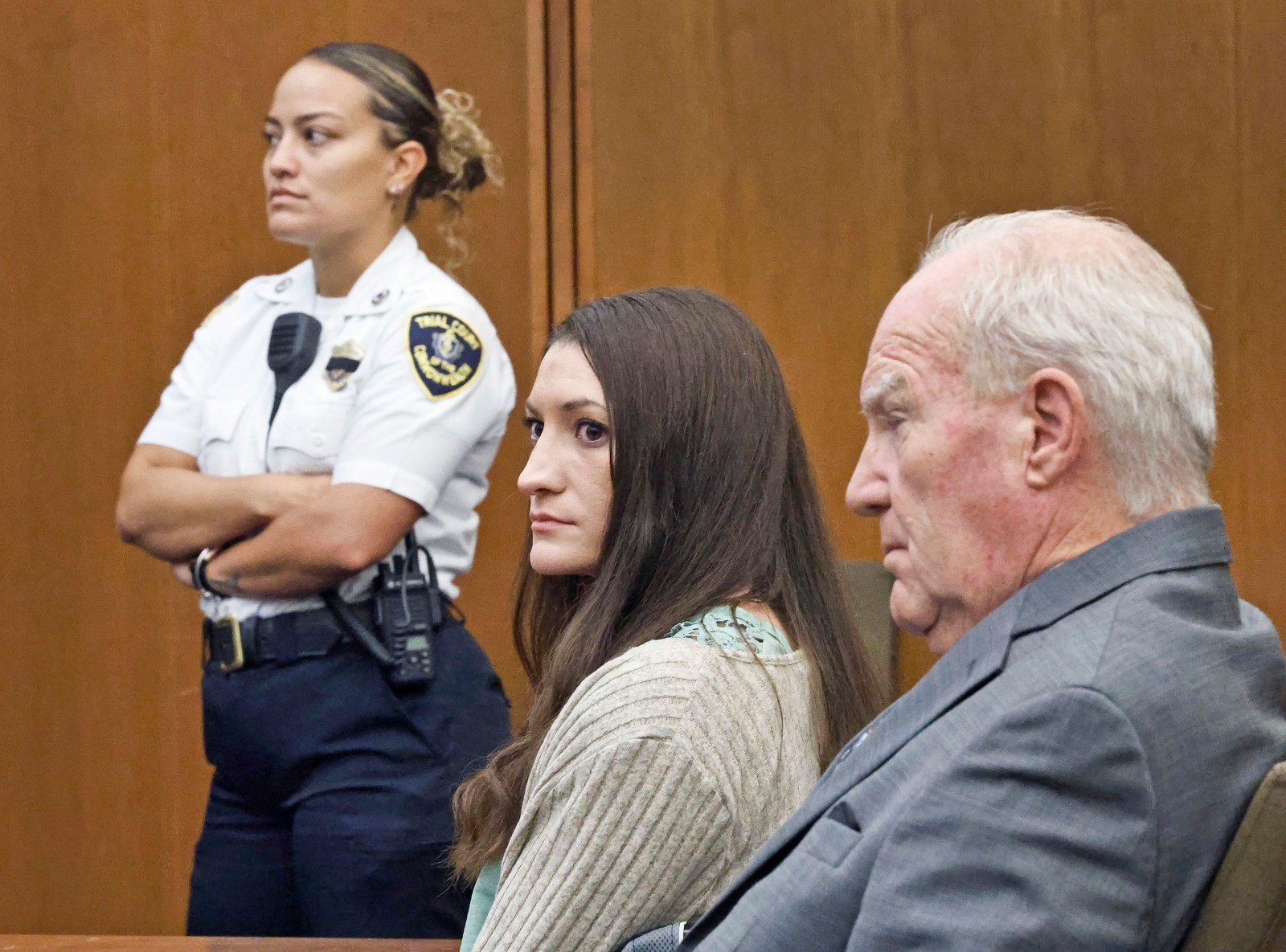
Lindsay Clancy is set to appear in court on Tuesday, following the declaration of her murder trial as a mistrial. The impending hearing may reveal whether prosecutors will attempt a retrial or consider a plea agreement.
Defense’s Strategy Against Retrial
Criminal defense attorney Seth J. Zuckerman highlights the difficulties Clancy’s legal team faces in preventing a retrial. Clancy’s attorney, Kevin Reddington, argues against another trial on double-jeopardy grounds. He claims Judge William Sullivan should have taken more steps to address the jury deadlock and argues that a mistrial was not necessary. However, Zuckerman believes the defense has a weak argument regarding double jeopardy.
“The United States Supreme Court allows for retrying a defendant when a mistrial is declared due to a deadlocked jury,” Zuckerman noted.
Judges have significant discretion in declaring mistrials after jury deadlock. This hearing will occur at Plymouth Superior Court on Tuesday amidst disputes over the jury’s conduct.
Juror Concerns and Legal Implications
Reddington has requested an investigation into the holdout juror, questioning his conduct during deliberations and the accuracy of information he disclosed during selection. Zuckerman commented that such investigations are more likely if evidence suggests the juror lied during selection, not simply for holding a minority view.
The defense also argues Clancy’s innocence due to insufficient evidence of her criminal responsibility for her children’s deaths in January 2023. Zuckerman explained this argument differs from the double-jeopardy claim. If successful, it could end the case without a retrial.
Potential Outcomes and Legal Procedures
The hearing could either lead prosecutors to declare they need more time to decide on retrying Clancy or suggest discussions on a plea agreement. Clancy, 36, faces charges of first-degree murder of her children. Her defense claims she suffered from postpartum psychosis. The jury was deadlocked 11-1 in favor of Clancy not being criminally responsible, leading to the mistrial on September 4.
The mistrial does not prevent a retry. Reddington is pressing for case dismissal on double-jeopardy grounds, and an acquittal for insufficient evidence. He emphasizes that the deadlock stemmed from a single dissenting juror. The judge has impounded records but not yet ruled on new defense requests.
Juror Dispute and Its Impact
Juror Michael Desronvil was the lone holdout, maintaining Clancy’s criminal responsibility. Post-trial, Desronvil refuted claims he had reasonable doubt, stating he was convinced Clancy understood her actions. The defense has requested Sullivan to examine the juror’s questionnaire, phone records, and conduct. Desronvil’s attorney argues against this intrusion, stressing jurors must reach conclusions without fearing personal scrutiny.
Reddington links this dispute to his argument that the mistrial was unnecessary, suggesting the court should have explored the disagreement before declaring a mistrial.
Future Steps for Clancy’s Case
If prosecutors decide against a retrial or the court bars it, the prosecution will not proceed to another jury. The case’s conclusion depends on the court’s ruling on the defense’s motions. If found not guilty, Clancy cannot be retried on the same charges. Alternatively, negotiations over a plea agreement might occur.
Clancy’s status depends on the case’s legal outcome and her personal situation. She remains at Tewksbury Hospital for psychiatric treatment during these proceedings.
Next Court Hearing
Clancy’s next hearing is scheduled for Tuesday at Plymouth Superior Court. The proceedings will address the case’s next steps. The court might hear arguments, demand further briefing, or consider defense motions further. The prosecution’s stance on seeking a retrial will also be pivotal in deciding the case’s future.
Leave a Reply