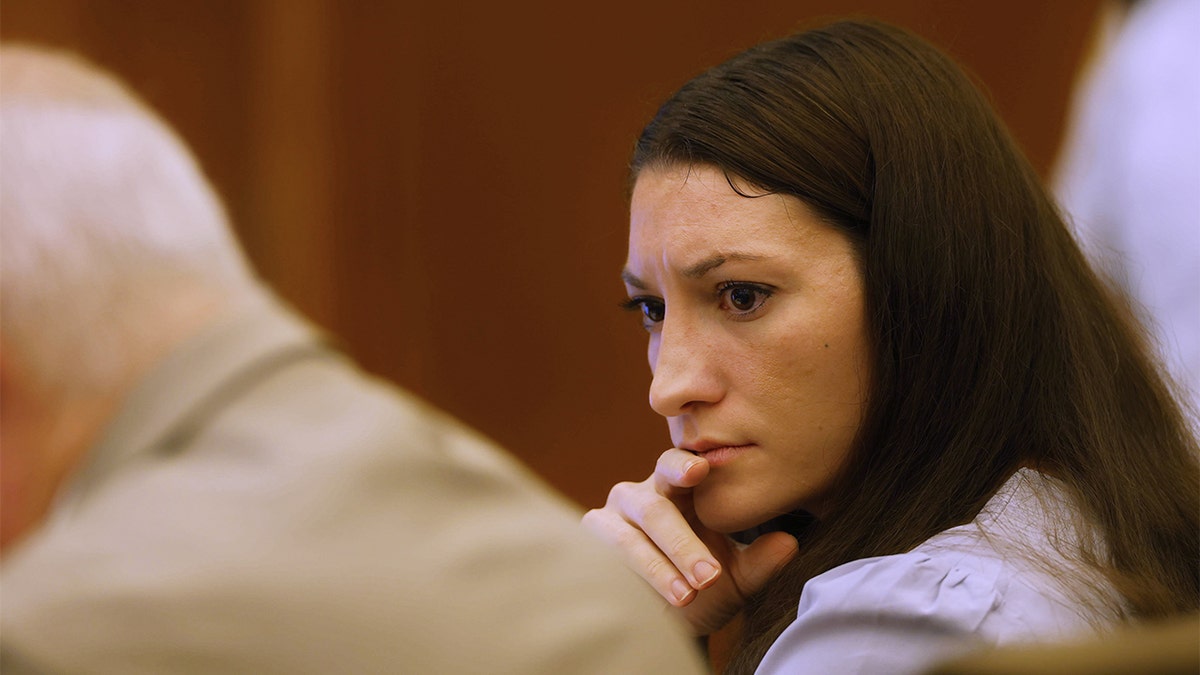
Lindsay Clancy appeared in court, responding affirmatively to questions from the judge. “Yes, Your Honor,” she said, agreeing to let prosecutors treat certain forensic facts as established. This occurred before a trooper testified that no usable fingerprints were found on a knife or three exercise bands.
The trial hones in on whether Clancy was criminally responsible for the deaths of her three children in Duxbury, Massachusetts. Judge William Sullivan asked Clancy about her understanding of a stipulation regarding specific evidence before jurors entered the courtroom.
By signing the stipulation, you’re agreeing the Commonwealth does not have to prove these facts,Sullivan stated.Do you understand that?
“Yes, Your Honor,” Clancy confirmed. She asserted that no one had coerced her into acceptance. Sullivan concluded that Clancy entered the stipulation knowingly and willingly.
Kevin Reddington, Clancy’s defense attorney, explained the stipulation would prevent the need for dozens of witnesses to establish a chain of custody for evidence like blood and exercise bands. He clarified that the agreement was not a guilty plea or an admission of criminal responsibility for the deaths of Cora, 5, Dawson, 3, and Callan, 8 months.
Margaret McLean, a former prosecutor, concurred that the agreement would shift the jury’s focus from the crime’s horror to Clancy’s mental state.
The strategy steers the jury’s focus to the issue of criminal intent, or mens rea,McLean explained.
She noted that Clancy’s rational responses should not provide insight into her mental state on January 24, 2023. The burden remains on the prosecution to prove her sanity during the crime scene evidence collection.
Later, Trooper Jonathan O’Loughlin testified about examining collected items from the crime scene. He stated that a knife and exercise bands contained impressions, but not enough for identification.
There were insufficient characteristics for comparison,O’Loughlin explained.
The absence of fingerprints may lead jurors to speculate about potential use of gloves or wiping, McLean suggested. However, the defense could argue against speculating with evidence that isn’t presented. Jurors may use common sense, but not to speculate on unfounded elements.
Leave a Reply