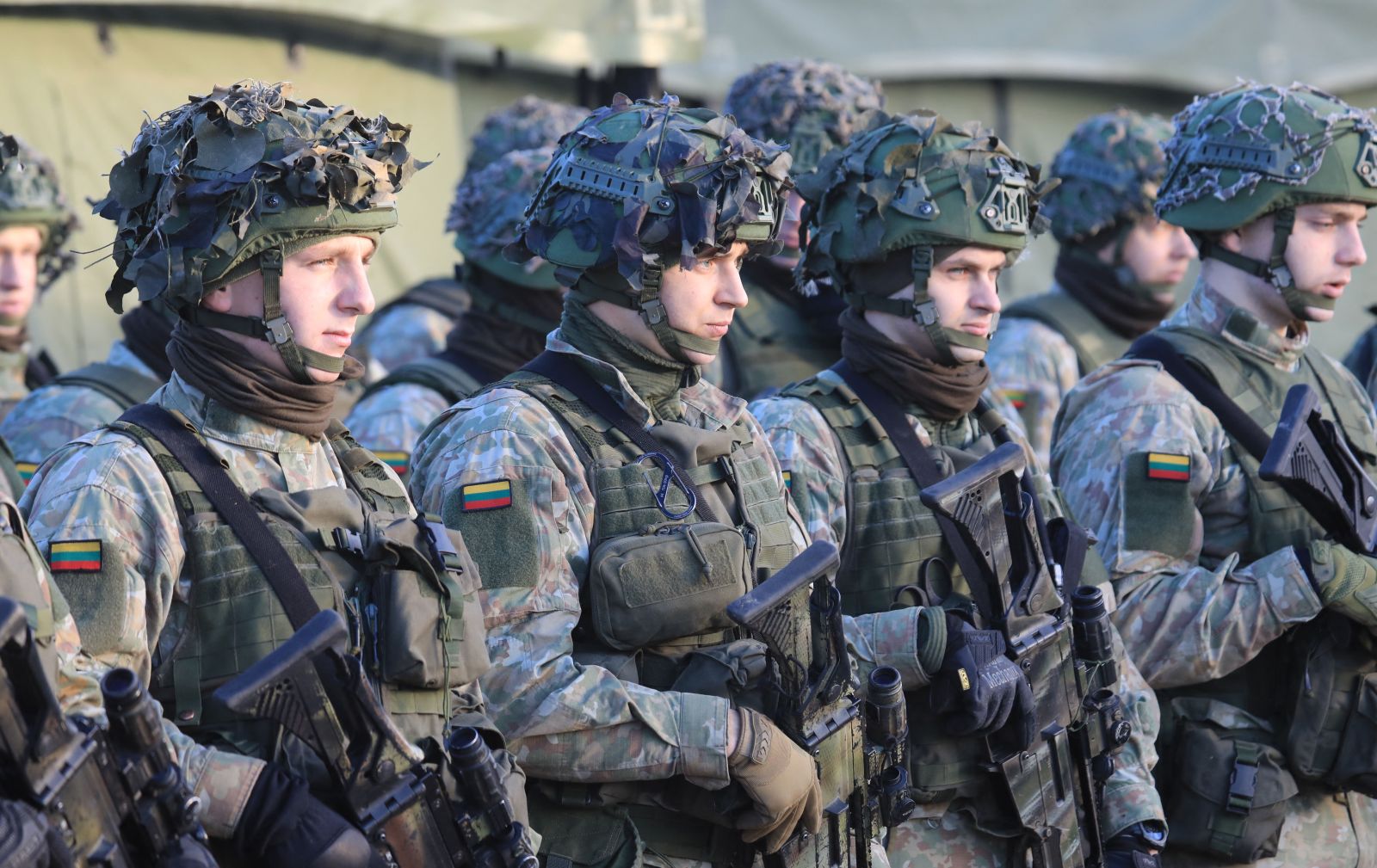
Lithuania has developed a detailed evacuation plan in response to potential military threats. This announcement follows concerns from NATO’s eastern borders about Russia’s increasing hostility.
Evacuation Strategy
In July, Lithuania’s interior ministry approved a plan for evacuation in the face of military or civilian threats. This involves Poland’s Podlaskie province as a transit corridor. Žygimantas Solovyovas from Vilnius’s Civil Defense Department emphasized the importance of initiating evacuation before threats become immediate. He advised that residents should not wait for shelling before leaving Vilnius via the evacuation routes.
While the plan does not mention Russia explicitly, Polish media suggests the measure stems from concerns related to the conflict in Ukraine initiated by Moscow. NATO jets recently downed a drone carrying explosives that entered Lithuanian airspace from Belarus, a key ally of Russia. Lithuania’s President Gitanas Nauseda speculated that Russia might be orchestrating these events to provoke NATO.
Poland and Lithuania Collaboration
With tensions high, Vilnius and Warsaw are cooperating closely. Polish Prime Minister Donald Tusk informed parliament about intelligence from NATO, Ukraine, and the U.S. suggesting potential Russian drone or missile attacks on Poland or supportive European nations.
Further details about Lithuania’s plan were revealed on September 16, outlining three main evacuation routes from Vilnius. Two lead north and west within Lithuania, while the other heads towards Poland. During active shelling, residents are instructed to seek shelter rather than evacuate. The goal is to normalize evacuation as an orderly procedure. Podlaskie’s local governments are actively developing emergency response strategies.
Defensive Measures
Lithuania is fortifying its borders, especially with Belarus and the Russian enclave of Kaliningrad, anticipating potential conflict with Moscow. Defense Minister Robertas Kaunas stated that new fortifications would span 5 to 50 kilometers from the borders to inhibit enemy movements.
Regional Preparations
Neighboring Latvia is also preparing for potential threats. Germany is deploying Eurofighter jets to Latvia’s Lielvārde Air Base, ensuring air security during the country’s elections in early October. This deployment illustrates the Baltic states’ seriousness about the perceived threats, highlighted by researcher Olga Lautman.
Security concerns persist across NATO’s eastern front due to repeated drone activities and accusations of Russian hybrid warfare. Finland, in a proactive measure, has erected a 120-mile fence along its Russian border to prevent unauthorized crossings, pointing to accusations of Russia weaponizing asylum seekers.
Newsweek reached out to the Lithuanian, Polish, and Russian foreign ministries for comments.
Leave a Reply