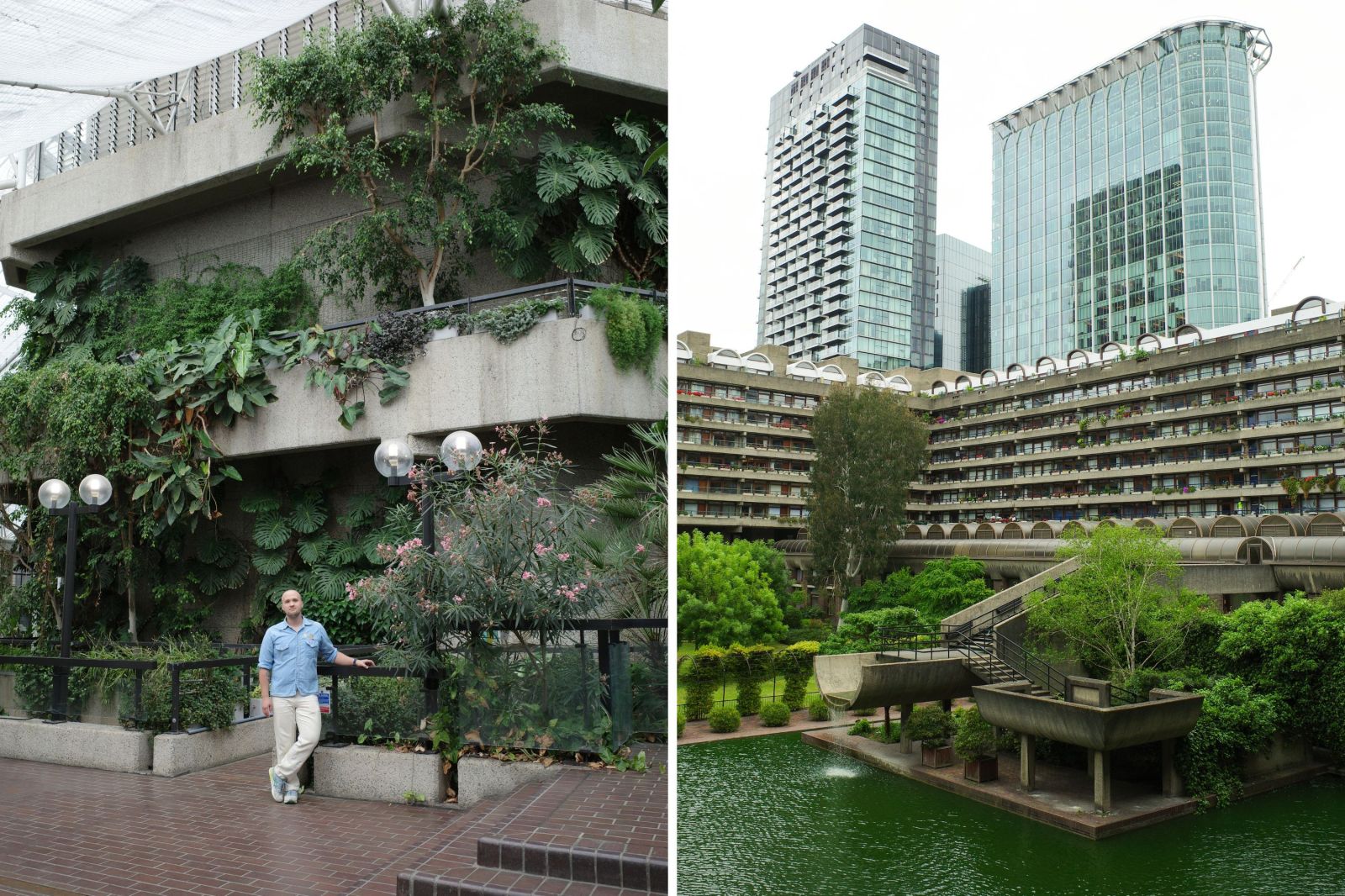
The Barbican in London is renowned for its striking brutalist architecture, a sprawling complex of concrete towers, cultural centers, and landscaped public areas. For Luke Kaluzny, who relocated there with his spouse in mid-2025, it offers much more than its architectural significance. It represents a source of inspiration and a personal sense of belonging.
Brutalist architecture is characterized by its raw, concrete, and geometric forms. It’s experiencing renewed appreciation, transforming structures once deemed harsh into celebrated icons. This shift in perception is due to cultural interest, sustainability efforts, and a reevaluation of postwar design.
Younger generations play a significant role in this revival. Social media and design trends highlight brutalism’s authentic and bold forms, aligning with contemporary architectural values. Hannah Simonson, a senior cultural resources planner, previously remarked that social media platforms are changing how people perceive brutalism, drawing fresh attention to its aesthetics.
Kaluzny shares his experiences on Instagram (@interluke), residing in an apartment on the Barbican’s south side. Designed by Chamberlin, Powell, and Bon, the estate was completed in 1982. His interest in modernist housing and utopian urban design led him there, initially inspired by researching Le Corbusier’s Unité d’Habitation in Marseille. A visit to London to see the Barbican forged a connection, both with the architecture and with his now-husband.
When deciding where to live, the couple, both 34, sought locations of architectural significance. They explored several properties before finding their home at the Barbican.
Life at An Architectural Landmark
Kaluzny describes life there as “very convenient.” The Barbican offers numerous amenities, including theaters, galleries, and shops. A car-free design, with parking underground, creates pedestrian-friendly spaces, reducing noise and pollution.
Residents enjoy access to private green areas using the “magic key.” Among Kaluzny’s favorite areas are the “igloos,” brick pods connected by walkways, ideal for reading or socializing in summer.
The community shapes life at the Barbican. Kaluzny highlights a diverse mix of residents, from artists to retirees. This shared appreciation forms a unique atmosphere defined both by architecture and the people living there.
Balance of City and Serenity
Kaluzny’s attachment to the Barbican also relates to his upbringing. Raised in a remote Washington state area, he valued community connection. Having lived in large cities, the Barbican offers him a rare balance of expansiveness and connectivity.
The Barbican, built on post-war damaged land, represents rebuilding with optimism and experimentation. Its architecture embodies ambition, while historical layers, like sections of Roman wall and the ancient St Giles-without-Cripplegate church, add continuity and depth.
For story submissions related to architecture or design, reach out to [email protected] for a chance to be featured.
Leave a Reply