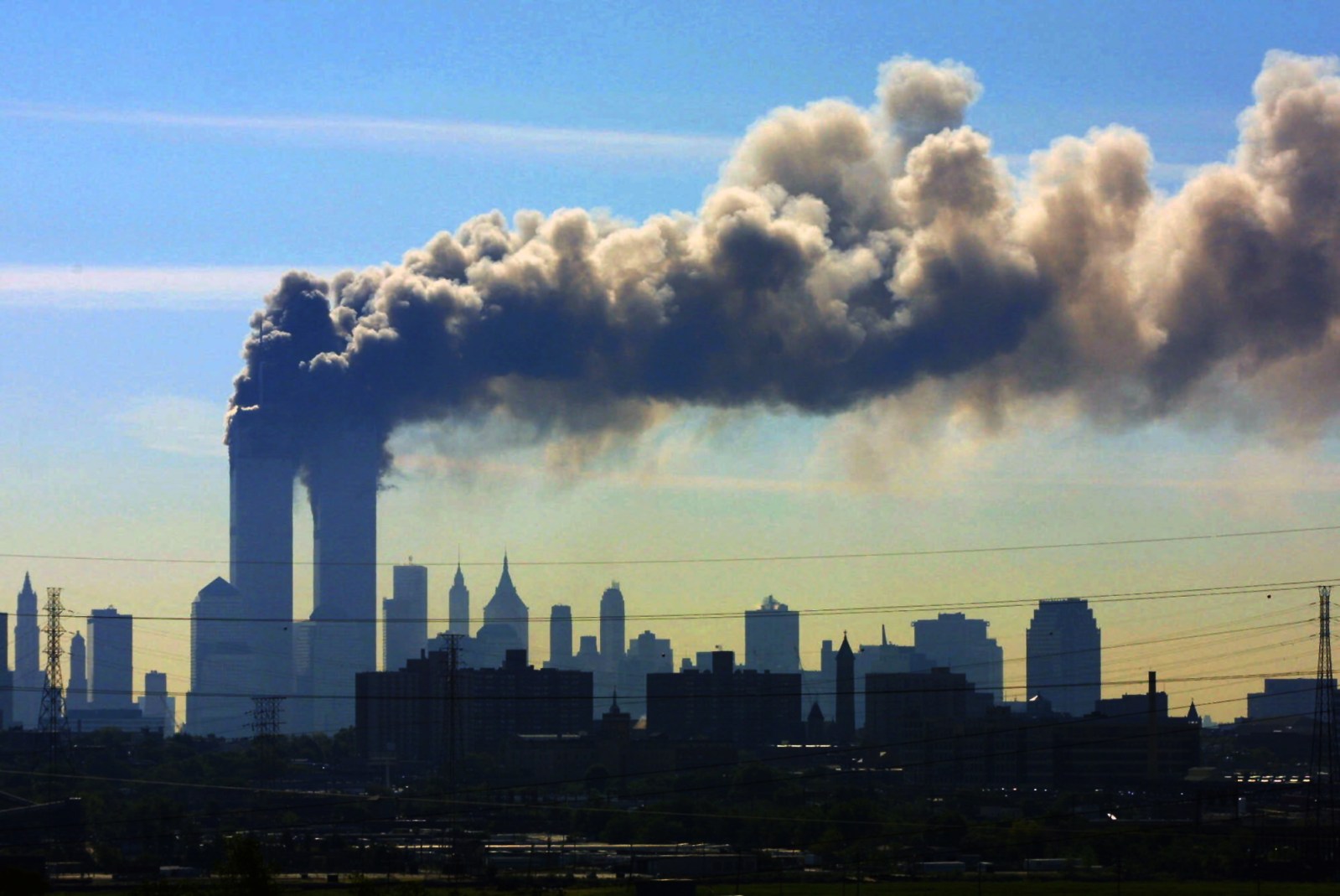
In the aftermath of the September 11, 2001 terrorist attacks, thousands continue to face long-term health conditions. Researchers suggest this may stem from environmental toxins inhaled during and after the tragedy. The toxic dust cloud covering lower Manhattan has led to ongoing health issues.
The U.S. Centers for Disease Control and Prevention (CDC) highlights in a review that many exposed individuals developed conditions like cancer, respiratory and digestive diseases, and mental disorders. Alejandro Azofeifa, from the World Trade Center Health Program, stated that thousands at the crash sites encountered multiple toxins and hazardous materials from dust, debris, and fumes from fires.
Over 350 hazards possibly existed at disaster sites noted in the James Zadroga 9/11 Health and Compensation Act (2010). Published in JAMA on September 10, the review emphasized sustained clinical monitoring’s importance for addressing these evolving health needs.
Data from the World Trade Center Health Program shows over 9,400 deaths related to 9/11 illnesses. During the attacks, 2,977 people died, including those in Manhattan, at the Pentagon, and on Flight 93 in Pennsylvania.
The Study’s Findings
The CDC’s team found that, 25 years later, more than 155,000 responders and survivors are enrolled in the WTC Health Program. As of June 2026, this program offers medical monitoring and treatment for 9/11-related conditions without out-of-pocket costs. Membership has risen by over 6,500 annually since 2012, with 67% certified for at least one related health condition.
Direct exposure to the attacks results in more chronic conditions and a poorer quality of life for these individuals compared to the general population. They endure increased disability, complex medical management, and higher healthcare costs.
Exposures are tied to various short- and long-term health conditions covered by the program. These include traumatic injuries, aerodigestive disorders, all cancers, mental health issues, and musculoskeletal disorders.
Contents of the Toxic Dust
CDC research reveals the dust cloud post-collapse contained harmful toxins like asbestos, lead, cement, glass fibers, and benzene. The jet fuel combustion and collapse emitted tons of pollutants and volatile organic compounds. This material stayed at Ground Zero, forming a six-story rubble pile burning intermittently for months.
The International Agency for Research on Cancer deems asbestos carcinogenic. It causes mesothelioma and cancers of the lungs, larynx, and ovary. Lead exposure affects multiple body systems and causes millions of deaths globally through cardiovascular effects.
Particle matter exposure links to lung and heart diseases, asthma, and respiratory issues. Volatile organic compounds have the potential to damage organs and cause certain cancers.
Why the Dust Was Harmful
Dr. Jacqueline Moline, a medical research professor, noted the dust’s alkaline nature allowed deep tissue penetration. This caused immediate reactions like sinus, nasal, throat, and lung issues. Some developed chronic sinus problems or GERD from inhaling dust.
Prolonged exposure led to conditions like asthma, lung scarring, and even the need for lung transplants. Blood cancers also appeared among those exposed. Health impacts varied based on individual reactions and the extent of exposure.
Findings and Implications
The ongoing health effects show why disaster responses must extend beyond recovery. Long-term monitoring and care are crucial for detecting emerging health issues. Early preventive actions matter since health effects can emerge years later.
Responders should use protective equipment to limit exposure, while community members should avoid toxic materials. Ongoing medical surveillance helps understand disaster impacts and confirms awareness for future responses.
City’s New Online Portal
New York City launched an online database with 170,000 records related to air quality and health post-9/11. Aimed at transparency, it provides public access to information about the city’s recovery efforts.
Mayor Zohran Mamdani announced a budget to support the portal. Previously, access to such records was limited. Advocate Jon Stewart joined officials to stress the importance of transparency regarding 9/11 air quality.
Democratic Representative Jerry Nadler commended the move, citing the portal as a necessary reckoning. The database includes air reports, contamination records, and internal memos on potential liabilities, concluding legal fights over document access.
Leave a Reply