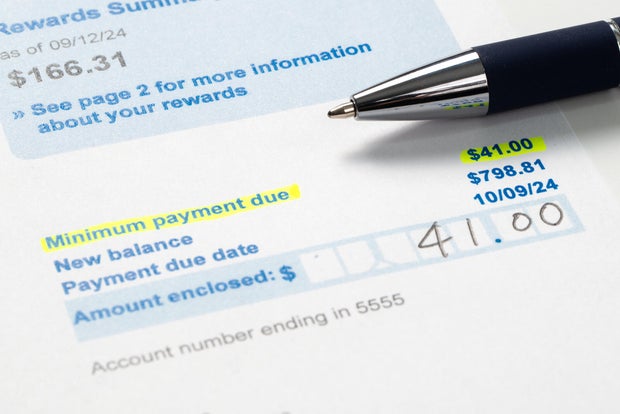
Credit card debt has become a significant burden for many as balances climb and interest rates soar. As of the second quarter of 2026, credit card balances increased by $21 billion, reaching a total of $1.26 trillion. With an average interest rate of 22.15%, the cost of maintaining this debt is escalating, making it challenging for borrowers to manage their monthly payments.
Dealing with Financial Setbacks
Economic challenges, like inflation, compound the difficulty of fitting minimum credit card payments into a budget. Higher balances and accumulating interest require you to allocate more funds each month to your credit card bills. Managing multiple cards intensifies this issue.
Requesting a smaller minimum payment from your card issuer might seem like a solution, but these payments are not easily negotiable. Issuers determine minimum payments based on account terms, often calculated as a percentage of the balance, a fixed amount, or a mix of balance, interest, and fees.
Exploring Hardship Programs
If you’re unable to meet minimum payments due to financial hardship, contact your card issuer immediately. Many issuers offer hardship or payment assistance programs to help affected cardholders. These programs might provide temporary reductions in monthly payments, lower interest rates, waived fees, or modified repayment terms.
“Hardship programs can make monthly payments affordable, even when minimum payment formulas aren’t changed.”
Negotiating a hardship program requires explaining your financial situation and what you can realistically afford. Inquire about the duration of reduced payment arrangements, interest accrual, card restrictions, and the consequences after the hardship period ends.
Agreeing to lower payments offers immediate relief, but consider whether prolonged repayment might increase long-term debt. Understanding complete terms aids in deciding if short-term relief is beneficial for your finances.
Exploring Broader Debt Solutions
Lower payments might help during temporary setbacks. However, if you struggle across multiple cards or your balances grow despite payments, broader debt relief strategies might be necessary.
- Debt Management Plan: Credit counseling agencies negotiate with creditors to lower interest rates and fees while adjusting repayment terms. You make one monthly payment to the agency, which distributes funds to creditors.
- Debt Consolidation: Consider taking a loan with terms that simplify payments. Consolidation involves paying off multiple debts with one new loan. Savings depend on the offered interest rate, fees, and repayment terms.
- Debt Settlement: For serious hardship, negotiating debt settlement might be an option. Creditors accept less than the full balance owed, but tradeoffs include credit damage, tax implications, and possible creditor refusal.
Final Thoughts
Your card issuer likely won’t allow arbitrary reductions in minimum payments. However, hardship programs or alternative arrangements may be available. If debt has become overwhelming, consider comprehensive strategies beyond temporary reductions.
Contact your issuer to discuss hardship options before missing payments. If overall debt makes minimum payments unaffordable, explore more substantial relief strategies to navigate your financial challenges effectively.
Leave a Reply