MapQuest Soars on U.S. App Store
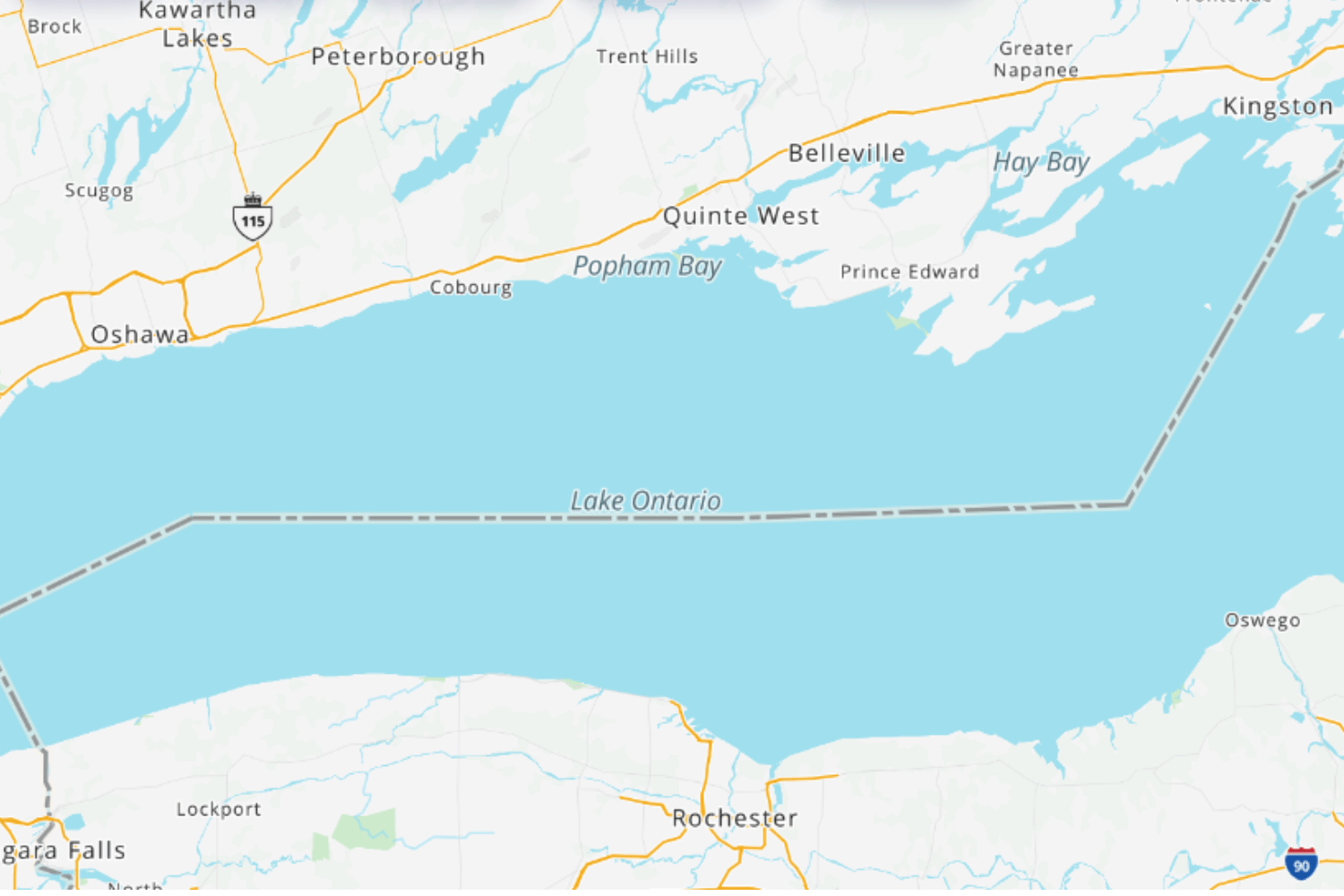
MapQuest recently climbed to the top of Apple’s U.S. App Store after openly defying an order to rename Lake Ontario to “Lake America.” This change was requested by President Donald Trump and followed by Google Maps and Apple Maps for users in the United States. MapQuest, a navigation service that began in 1996, gained widespread attention with its social media post stating, “We’re not changing it,” on August 27. This was the same day Trump signed an executive order mandating federal agencies to use the new name.
Following this decision, MapQuest experienced a massive surge in app downloads. By Monday, the company reported that downloads had reached hundreds of thousands. The app’s usage increased to around 50 times its normal level, enabling its ascent above popular apps like ChatGPT in Apple’s free download charts.
The Story Behind the Renaming
The executive order, signed by Trump, instructed federal agencies to rename Lake Ontario, one of the five Great Lakes in North America, as “Lake America.” Trump suggested this name change to emphasize U.S. interests and identity, positioning it as part of an initiative to highlight American heritage. This decision arose against a backdrop of trade tensions and border disputes between Washington and Ottawa.
Lake Ontario, a border feature between the U.S. and Canada, has been known by its current name for centuries. The proposal generated backlash from historians, geographers, and Canadian officials. Polls indicated that many Americans were not in favor of the change.
Google Maps’ Implementation
Google promptly applied Trump’s directive for users based in the United States. American users of Google Maps now see “Lake America,” whereas users from other countries continue to see Lake Ontario. In some cases, users might see both names, depending on their location. Google stated their approach is consistent with their policy of aligning updates to official government conventions when authoritative sources endorse them.
Apple Maps Follows Suit
Initially, Apple Maps did not change to “Lake America” following Trump’s directive. This issue became public when Interior Secretary Doug Burgum revealed Trump had personally contacted Apple. On Fox Business’ Mornings With Maria, Burgum mentioned Trump’s direct communication with Apple, hinting at an impending update on Apple Maps.
Apple eventually updated its maps for U.S. users, matching Google’s approach by displaying “Lake America.” This update was noteworthy as it coincided with the first day of John Ternus’ leadership as Apple’s new CEO, making it one of the first major decisions under his administration.
MapQuest’s Viral Response
MapQuest’s decision to maintain the original name on its platform sparked massive public interest. The platform saw hundreds of thousands of new downloads and a significant increase in traffic. Owned by System1, a California-based advertising and consumer internet company, MapQuest embraced its renewed fame by engaging with users and sharing updates about its App Store ranking.
For many, using MapQuest was a form of protest against the renaming. Some were drawn to the platform by nostalgia for a service known for online navigation before Google Maps’ dominance.
Public Reaction to the Renaming
The renaming sparked strong reactions across borders. Canadian officials and commentators criticized it, citing Lake Ontario as a shared natural landmark with a name older than the United States. Historians also emphasized its Indigenous significance, with the name Ontario meaning “great lake” or “beautiful lake.”
In the U.S., reactions were mixed. Some Trump supporters supported the change as a statement of American pride. However, a YouGov survey found that more Americans opposed the renaming than supported it, with many advocating for the lake’s historical name.
The debate highlights broader issues about how tech companies manage politically influenced geographic name changes. It questions whether mapping services should always comply with government orders in contested naming disputes.
Leave a Reply