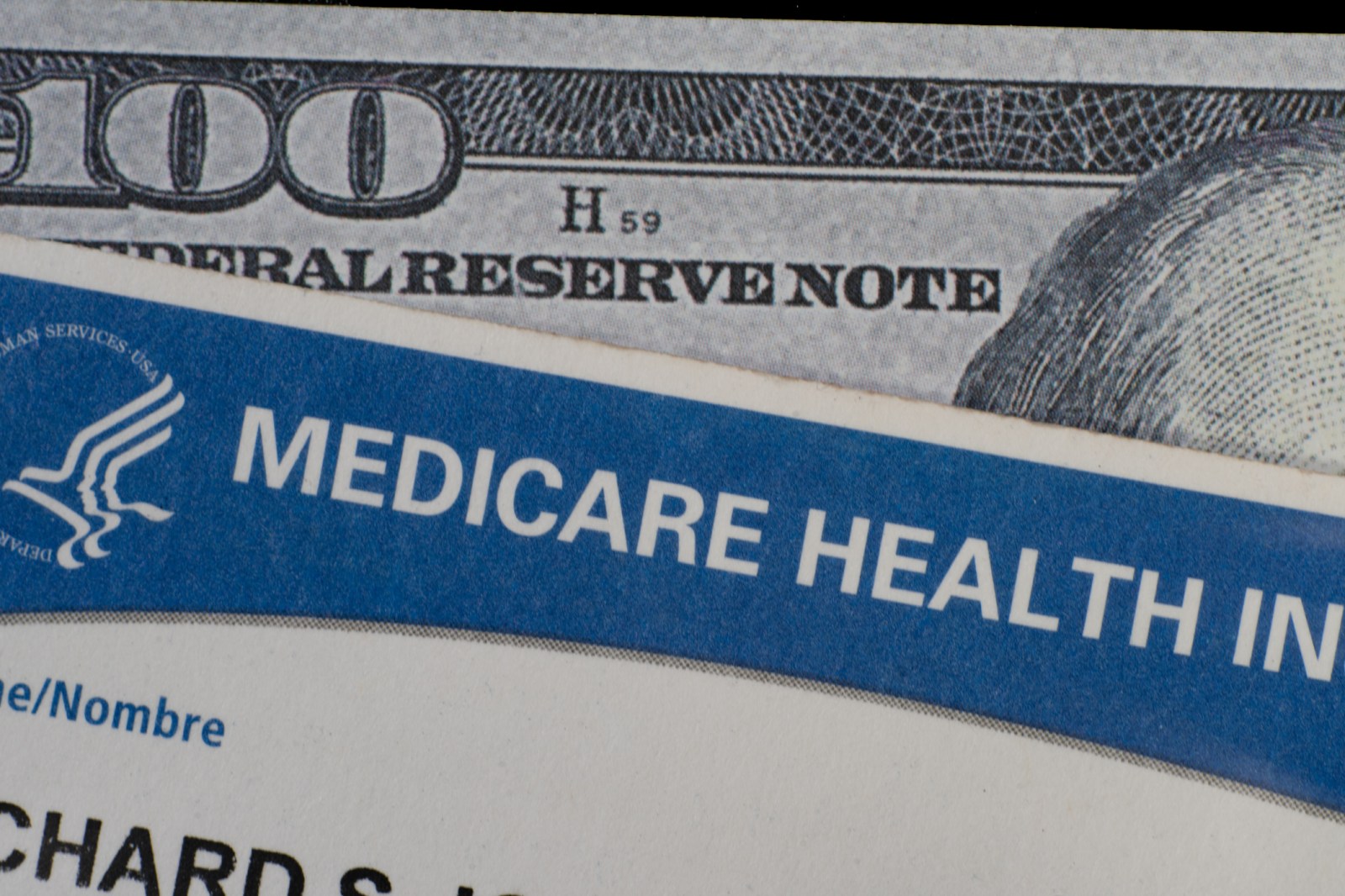
Millions of older Americans enrolled in Medicare Advantage plans are witnessing a reduction in popular benefits, with further cuts anticipated. These changes come as insurers face increasing medical costs and stricter federal payments.
Reductions in Supplemental Benefits
Core benefits such as dental, vision, and hearing coverage remain widely available. However, many plans are reducing or eliminating extras like over-the-counter allowances, meal benefits, transportation assistance, and fitness programs.
“Insurers added OTC cards, grocery allowances, and Uber rides to win enrollment when CMS payments were generous,” Michael Ryan, a finance expert, pointed out. “With CMS payments growing only 2.5 percent in 2027, it’s the supplemental perks that are withdrawn first.”
Over half of Medicare beneficiaries receive coverage through Medicare Advantage plans. Reductions in benefits can increase out-of-pocket costs for retirees on fixed incomes.
Current Trends and Future Projections
KFF’s report notes a drop in OTC benefits, available in 66 percent of plans, down from 73 percent previously. Meal benefits and transportation assistance are also becoming less common, indicating a trend of insurers pulling back.
“These perks were never guaranteed benefits. They were bait,” Ryan explained. Despite cuts, core benefits remain unchanged, but choice among plans has become more limited.
In 2026, the average Medicare beneficiary will have 32 prescription drug plans to choose from, compared to 34 in 2025.
“As for-profit entities, insurance companies offer extra benefits only if they don’t reduce profits too much. Lower government payments necessitate cuts,” Drew Powers, the founder of Powers Financial Group, said.
Impact on Plan Availability
The number of available Medicare Advantage plans has decreased by 9 percent annually. KFF found that 13 percent of enrollees were affected by plan terminations entering 2026, double the previous year’s rate.
“It all comes down to lower Medicare spending,” Kevin Thompson of 9i Capital Group stated. “Government may consider supplemental benefits non-essential, passing these costs onto consumers.”
Reasons for the Cuts
Experts attribute the reductions to higher healthcare costs and changes in federal payment rules. Insurers are focusing on maintaining low premiums and core medical coverage while trimming extras.
“This isn’t surprising given financial pressures,” Alex Beene, a financial instructor, commented. “Rising costs and federal payment changes are causing insurers to prioritize maintaining core benefits over supplemental ones.”
Changes in Supplemental Perks
Into next year, beneficiaries might notice OTC allowances becoming less generous or disappearing altogether. The problem is often reported subtly in an Annual Notice of Change letter that few read thoroughly.
“The value inside the plan erodes quietly, while the exterior appears unchanged,” Ryan noted.
Leave a Reply