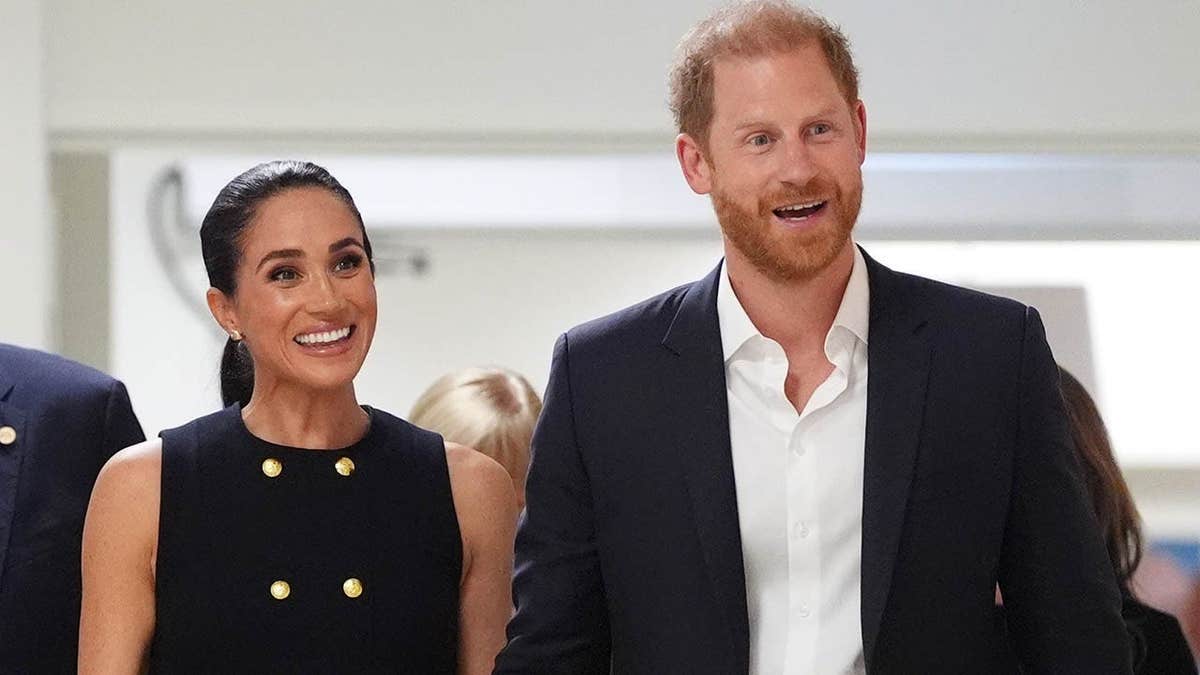
Meghan Markle is returning to the United Kingdom with a greater level of independence than she had as a working member of the royal family. Experts say this new arrangement could challenge Buckingham Palace’s boundaries. Markle, 45, and Prince Harry, 41, have recently relocated to the UK with their children, Prince Archie, 7, and Princess Lilibet, 5, for an extended stay. They will retain their status as private, non-working members of the royal family.
The couple plans to establish a private residence outside London while keeping their home in Montecito, California. Observers note that Markle’s ability to pursue media, business, and public-facing projects from Britain could create tension with the monarchy she once represented.
Richard Fitzwilliams commented, “The nightmare for the Palace is that they can’t be controlled.” He added that conflicting diary engagements might overshadow official royal activities if the Sussexes chart their own course.
According to Kinsey Schofield, a host of “Kinsey Schofield Unfiltered,” Buckingham Palace now has “very little control” over their public and commercial activities since they no longer represent King Charles as working royals. She mentioned that although Harry remains the King’s son and Meghan the Duchess of Sussex, their association with the monarchy still attracts significant public interest because of Harry.
As private citizens, Markle and Prince Harry return to the UK, marking a departure from their earlier roles as working royals. Now, Markle has her own career and support system, presenting a new chapter in her public life.
Despite their independence, Buckingham Palace maintains some influence in terms of access to the institution. “The palace can’t control what they do, but it can control their proximity to working royals and official events,” Schofield explained. However, she noted, “Meghan returns without palace protection, and you don’t get one without losing the other.”
Even if Buckingham Palace restricts their access to official events, the couple’s public appearances and business initiatives may draw attention away from working royals. Fitzwilliams pointed out potential challenges with coordinated royal calendars, highlighting the likelihood of numerous scheduling clashes fueling interest in the Sussexes.
There are longstanding expectations regarding the timing of public appearances. Schofield noted, “If Meghan were to consistently make announcements during major royal engagements, it would capture people’s attention.” Issues surrounding competing headlines are reminiscent of Queen Elizabeth II’s concerns when the couple stepped back in 2020.
The late Queen rejected a proposal allowing them to maintain financial independence while fulfilling official duties, forcing the couple to choose. As Schofield put it, “Meghan can enjoy substantial interest without the obligation of behaving like a royal; however, the institutional backing is gone.”
Royal relationships remain strained, as evidenced by past interviews and memoir revelations. Reflecting on past incidents, Schofield said, “A significant trust deficit exists.” British broadcaster Helena Chard emphasized the necessity of establishing formalities around their access to official engagements.
While their move back to the UK includes non-business motivations, providing their children with connections to Harry’s heritage is a priority. This summer, they visited family landmarks, including Highgrove House and Princess Diana’s final resting place, emphasizing the significance of their roots.
Ian Pelham Turner proposed a more restrained approach upon their return. “Meghan may display decorum, akin to Kate Middleton,” he stated, suggesting a cautious reintegration.
Meghan Markle’s return to Britain heralds potential shifts within the dynamics of the royal family. Navigating their unique position, the expectations and freedom will continuously evolve around the Sussexes.
Leave a Reply