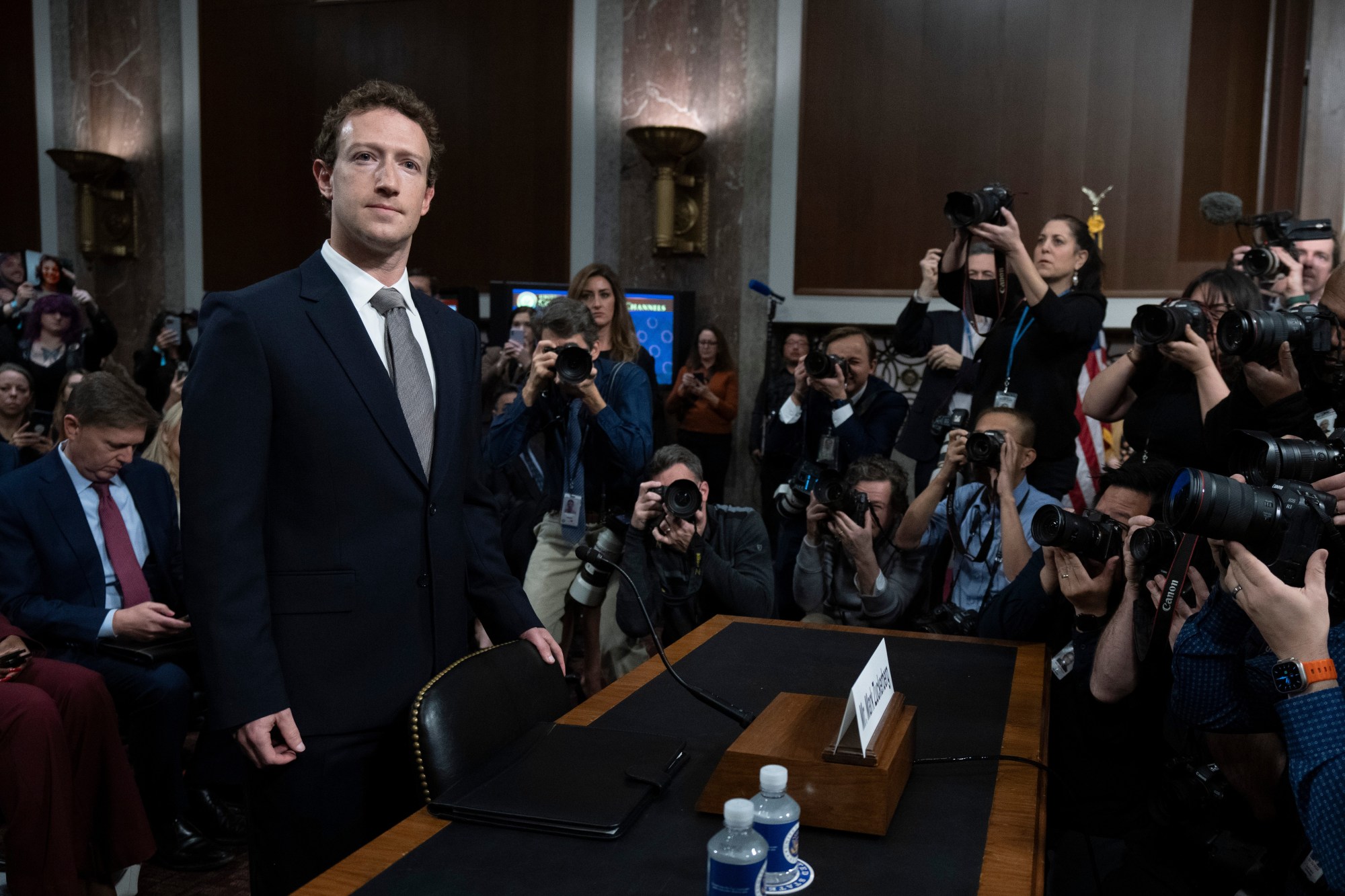
On January 31, 2024, Meta CEO Mark Zuckerberg testified before the Senate Judiciary Committee on Capitol Hill in Washington to discuss child safety issues. Just eight days into a significant trial concerning social media, Meta agreed to a settlement involving 47 states, Washington D.C., and U.S. territories. The company will pay $12.19 billion over a decade, potentially increasing to $17.1 billion if TikTok and YouTube agree to similar terms. On the same day, Meta reached a $1 billion settlement with Texas.
This settlement represents the largest state consumer protection agreement since the Big Tobacco settlements. Initially, the coalition of states sought approximately $200 billion, with Meta facing potential damages of up to $1.4 trillion. The settlement, despite its magnitude, has been viewed as underwhelming given the circumstances.
Meta’s trial has already seen the company lose two landmark cases earlier in the year. In March, a jury in Los Angeles found Meta and YouTube liable for personal injuries related to addictive design features. Another case in New Mexico resulted in nearly $1 billion in penalties for Meta. In the latest trial, the opening arguments highlighted accusations of intentional harmful design.
“Hook the users. Hold them for as long as they can. Harvest their data. Hide the truth from the public when making public statements,” declared California Deputy Attorney General Megan O’Neill during the trial.
Former Meta safety engineer and whistleblower Arturo Bejar was a star witness, testifying about Meta’s “don’t ask, don’t tell” approach for underage users. Bejar shared with the jury that Instagram had shifted from being a product people use to a product that uses people.
As evidence, the states’ attorneys disclosed an email from 2021 sent by Bejar to Zuckerberg, revealing that more than half of surveyed teens had experienced harm on Instagram in the previous week. Zuckerberg did not reply, and Meta settled before he was set to testify.
Comparisons between social media and tobacco companies abound, given the nature of the case. Historical data shows significant shifts in cigarette marketing following a 1998 settlement. High school smoking rates dropped from 36% in 1997 to 1.4% today. Yet, the settlement did not alter the addictive nature of cigarettes.
This social media settlement aims to go further, targeting product changes. Users under 18 will have restricted access, including limits on usage time, restricted access between midnight and 6:00 a.m., no push notifications during school or overnight, no public like counts, and no beauty filters. Parents can adjust some of these settings, although direct messages are exempt.
However, there are significant shortcomings. The algorithmically manipulated newsfeeds remain mostly unchanged for users under 18, and age assurance methods are left to Meta’s discretion.
Despite Meta portraying the settlement as a victory, it reflects minimal financial impact relative to the company’s $200 billion revenue last year. A $17 billion settlement spread over 10 years is a small fraction of Meta’s annual earnings.
There’s been criticism about the settlement’s modest payments, described by Florida Attorney General James Uthmeier as “peanuts compared to the profound harms” inflicted on children.
Meta’s market value increased by approximately $59 billion following the settlement announcement, illustrating a repeated pattern similar to the Cambridge Analytica settlement where a smaller fine led to a stock rise.
Meta’s settlement holds implications for other tech giants. California Attorney General Rob Bonta mentioned that Meta might be “first in line” as similar cases are anticipated for YouTube, TikTok, and Snap. Importantly, $5 billion of Meta’s settlement only materializes if YouTube and TikTok implement similar changes.
Outside the courtroom, actions have taken place to address social media usage. Recently, nearly 30 states implemented comprehensive phone bans in schools. The Kids Online Safety Act advanced through a Senate committee. Australia led with a ban for users under 16, and several other countries are considering similar measures. The European Union is exploring its own restrictions.
Despite no admission of wrongdoing by Meta, numerous lawsuits from individuals and school districts remain active. The attorneys general prioritized achieving a result, yet Meta ultimately benefited from a favorable outcome. The advice remains clear: persist in legal challenges and present Meta before a jury.
Mark Weinstein, a pioneer in social media development, authored “Restoring Our Sanity Online,” earning the distinction of “2026 Outstanding Book of the Year” by the Axiom Business Book Awards.
Copyright 2026 Nexstar Media Inc. All rights reserved. This material may not be published, broadcast, rewritten, or redistributed.
Leave a Reply