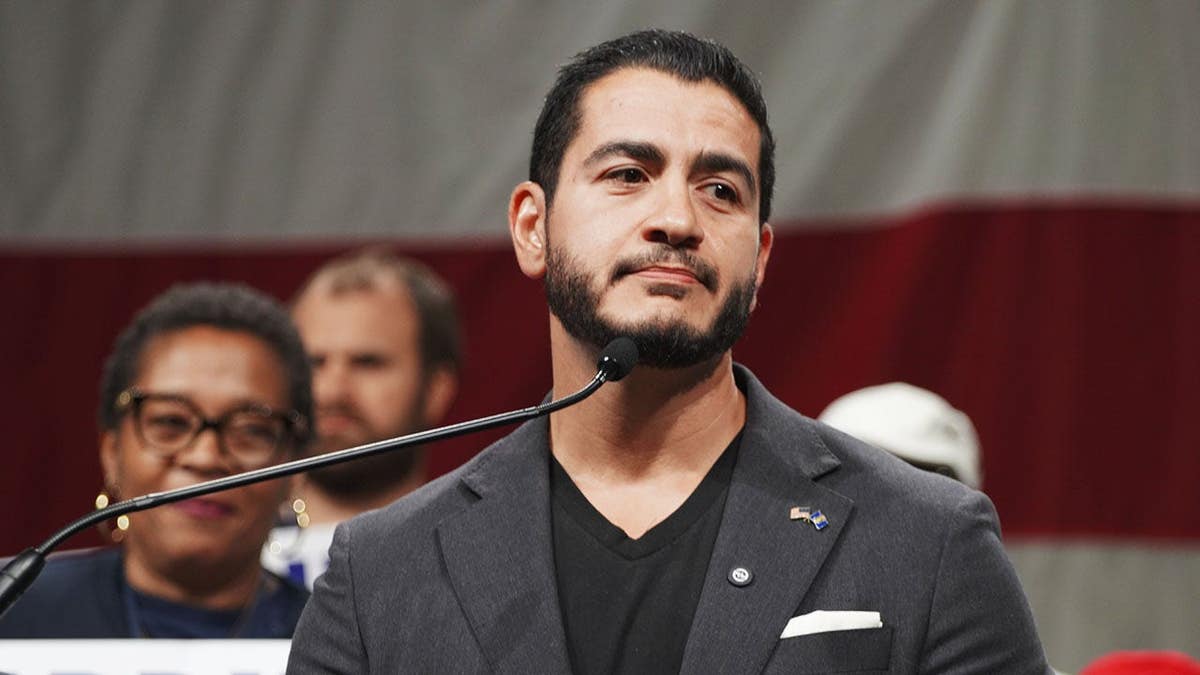
Michigan’s Democratic Senate candidate, Abdul El-Sayed, has faced scrutiny due to past involvement with an organization linked to a controversial group. In 2007, El-Sayed led a protest against an event featuring three self-proclaimed ‘ex-terrorists’ at the University of Michigan. These speakers, Walid Shoebat, Zachariah Annani, and Kamal Saleem, shared their conversion stories from being involved with groups like the Palestine Liberation Organization and the Muslim Brotherhood to Christianity.
The protest, reported by the Michigan Daily, involved students staging a walkout. El-Sayed expressed satisfaction, stating, “We’ve done something good today, and we need to keep that going in the future.” His campaign spokesperson, Cole Wozniak, defended him, emphasizing El-Sayed’s clear denunciation of terrorism and criticizing his opponents for spreading misinformation.
The backgrounds of the speakers were contentious. Comments in the New York Times in 2008 highlighted criticisms of their appearances, with some questioning their not being deported given their alleged group affiliations. Organizers of the event aimed to educate on the risks of Muslim extremism, though protesters argued the event unfairly generalized a whole group of people.
During the protest, El-Sayed was vice president of the Muslim Students Association (MSA). This group is alleged to have ties with the Muslim Brotherhood, an organization scrutinized by the Trump administration, which sought to label certain chapters, including the MSA, as foreign terrorist organizations.
Lara Burns, a senior research fellow, explained to the Senate Judiciary Committee that the Muslim Brotherhood established a U.S. presence in the 1960s, significantly through student unions like the MSA, forming concerns of potential extremism.
The Trump administration’s actions included urging the labeling of various Muslim Brotherhood chapters, citing connections to Hamas and incidents like the 2023 attack on Israel. This approach focused on groups in Lebanon, Jordan, and Egypt. The MSA has not responded to requests for comments on these allegations.
This situation highlights the complex backdrop of U.S. politics, where historical actions and affiliations can impact current political races.
Leave a Reply