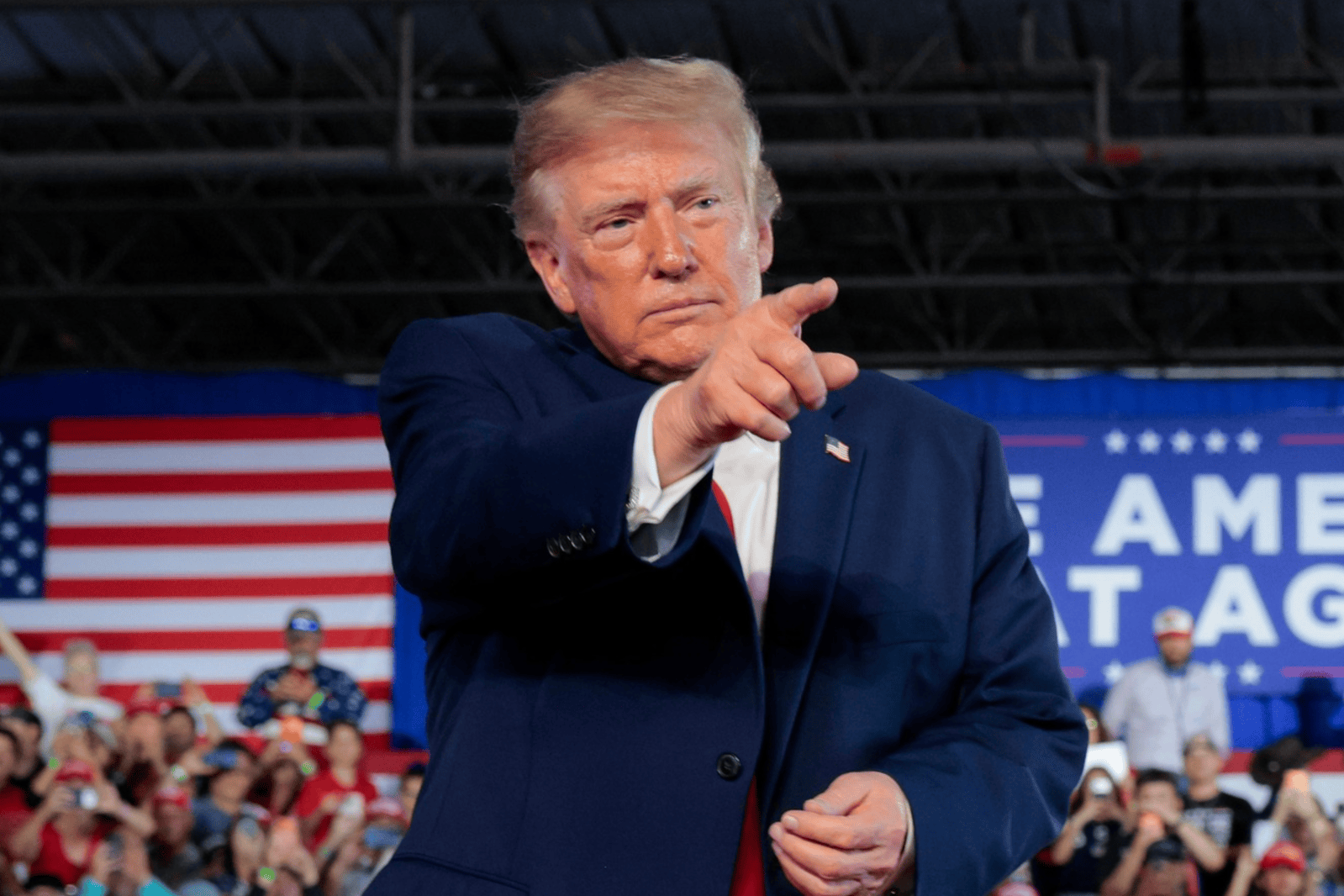
Trump’s Approval Ratings in the Midterm Election Context
President Donald Trump’s approval ratings have remained largely unchanged as the midterm elections approach. However, these ratings are significantly weaker compared to earlier in the year, according to analysis by Newsweek using data from four national polling trackers. Civiqs, Silver Bulletin, The New York Times, and RealClearPolling have all recorded Trump’s net approval as more than 20 points underwater at the beginning of October.
By October 29, Trump’s approval varied from 33 percent to 38.4 percent, with disapproval around 60 percent, according to each measure.
Historical Challenges for the Incumbent Party
Midterm elections often pose challenges for the party in the White House, pressuring Republican candidates as voters give their first nationwide judgment on Trump’s current term. According to Costas Panagopoulos, a Northeastern University political science professor, midterms serve as referenda on the performance of the incumbent party.
Data from Civiqs indicates a slight decline during October, while Silver Bulletin, The New York Times, and RealClearPolling show small improvements. However, none signal recovery for Trump.
Current Polling Standings
Civiqs reports Trump at 33 percent approval and 60 percent disapproval, resulting in a net rating of -27.
Silver Bulletin shows 37.3 percent approval and 60.1 percent disapproval, resulting in 22.8 points underwater.
The New York Times reports 37 percent approval and 60 percent disapproval, for a net rating of -23.
RealClearPolling shows approval at 38.4 percent and disapproval at 60.1 percent, leading to a net rating of -21.7.
Trump’s standings were examined at three points in time: January 1, October 1, and October 29. Net approval is determined by subtracting the disapproval share from the approval share.
Individual Tracker Patterns
Civiqs initially recorded Trump at 40 percent approval and 56 percent disapproval on January 1, yielding a net rating of -16. By October 1, approval had decreased to 34 percent with disapproval at 60 percent. On October 29, approval dropped to 33 percent, increasing the deficit to -27.
Silver Bulletin started the year with Trump at 42.2 percent approval and 53.7 percent disapproval. The October 29 update shows slight improvement, placing approval at 37.3 percent and disapproval at 60.1 percent, resulting in a net rating of -22.8.
The Times reported approval at 42 percent on January 1, falling to 37 percent by October 29. Disapproval also decreased by one point during October, but net approval remained at minus 23.
RealClearPolling began the year with a narrower gap, reporting -9.9. By October 29, approval slightly increased to 38.4 percent with disapproval at 60.1 percent, showing minor improvement.
Explaining Differing Estimates
Polling organizations employ various methodologies to decipher likely voters. Panagopoulos suggests that accurately predicting voter turnout is a blend of art and science. Different survey methods lead to varying results even with overlapping fieldwork.
Implications for Republican Strategy
Presidential approval describes the atmosphere in which Republican candidates operate, though it doesn’t directly predict congressional seat changes. Panagopoulos highlights national issues as influencing voter decisions, emphasizing Republican control as a target for blame if voters are dissatisfied.
Despite certain individual dynamics, such as strong personal brands or weak opposition potentially boosting Republican candidates, broader national trends still influence outcomes.
Looking Ahead
Post-November 3 results will illustrate how the national mood influenced congressional map changes. Independent voters could play a decisive role, with shifts away from Republican support since Trump’s previous coalition.
Leave a Reply