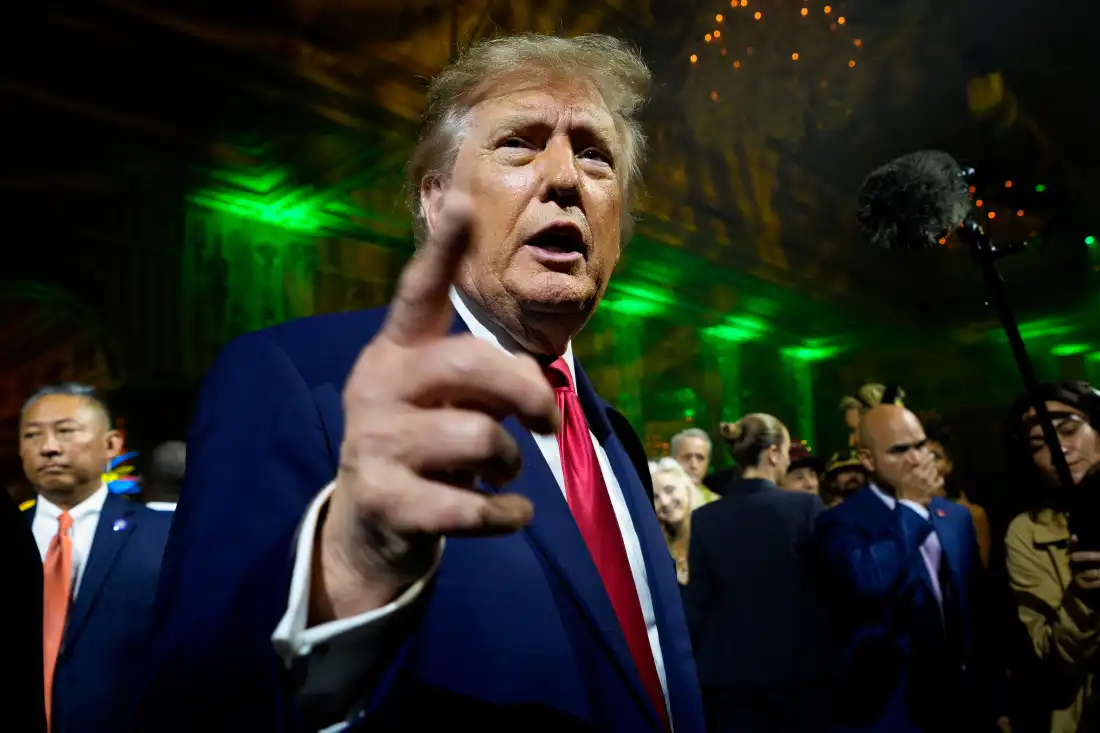
President Donald Trump addressed the media at a Halloween gathering at Mar-a-Lago on October 31, 2026, in Palm Beach, Florida. Elected in 2024 with a promise to lower prices, Trump now faces criticism as costs continue to climb.
Many voters blame him for high prices, especially due to his policies involving tariffs and conflict with Iran. These have directly contributed to rising costs in goods and energy. The economy shows a divide; the wealthy benefit from booming AI investments while average Americans struggle with inflation and modest wage growth.
The NPR/PBS News/Marist poll reveals that 44% of people see no change in their finances, while 38% report worsening conditions. Only 15% notice financial improvement. These economic issues, coupled with dissatisfaction over strict immigration policies and cuts to healthcare and government jobs, fuel discontent among swing voters and energize Democrats.
Midterm Challenges for Republicans
Historically, the president’s party loses seats during midterms. Trump, with approval ratings under 50%, may lead his party to lose an average of 35 seats. Only twice since World War II has a president’s party gained seats during midterms.
Democrats have already shown success, outperforming expectations in special elections and the 2025 races. The ongoing Iran war, boosting gas prices, further pressures Republicans. Democrats are poised to regain the House and have a chance to win the Senate, an unlikely scenario earlier in the cycle.
Democrat Limitations and Opportunities
While the political landscape favors Democrats, structural issues limit potential gains. Fewer competitive districts and strategic redistricting bolster Republicans somewhat. The Cook Political Report indicates a Republican lead due to these efforts.
Republicans face challenges, yet Democrats also deal with internal dissatisfaction. Engaging core Democratic voters is key, though socialist Democrats strongly oppose Trump and may unite in high numbers against him. The political future includes a possible ideological clash as the 2028 presidential race looms.
Preparations and Political Dynamics
Trump is actively campaigning in red states to boost Republican turnout. Without strong GOP participation, Democrat gains in the Senate could increase significantly. Unexpected outcomes could occur, and a failure to win the House for Democrats would be shocking.
Some election outcomes might be delayed, particularly in tight races. Trump plans to claim election misconduct if results are unfavorable, a strategy used in past elections. Despite this, most voters trust election integrity across party lines, though a portion of Republicans may reject unfavorable results.
Trump poses both a challenge and a necessity for the GOP. His influence is vital for the base but detrimental for swing voters. His economic and foreign policy struggles have deteriorated support from those who once favored him. Republicans may need to compromise post-election to achieve substantial outcomes.
Leave a Reply