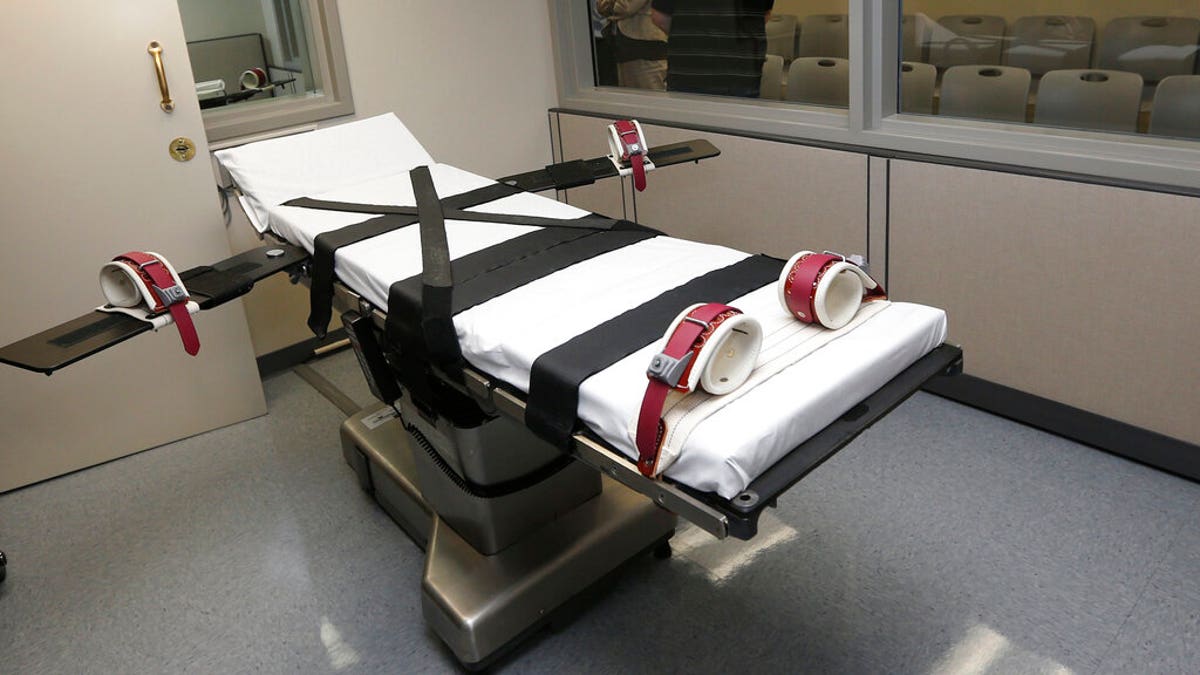
James Duckett’s execution highlighted Florida’s strict stance on severe crimes. He was convicted for the 1987 rape and murder of 11-year-old Tereasa McAbee. Authorities believe he also committed other crimes around the same time.
In Mississippi, a new law has broadened the crimes eligible for the death penalty. Senate Bill 2821, effective from July 1, targets sexual battery of a child under 12. It introduces ‘capital sexual battery’ as a crime, allowing prosecutors to seek the death penalty for offenders aged 18 or older.
Convictions demand that juries find at least two specific aggravating factors beyond a reasonable doubt. For the death penalty to be imposed, at least eight out of 12 jurors must recommend it. If not recommended, the alternative sentence remains life imprisonment without parole.
State Sen. Jeremy England, who authored the bill, stated that the legislation aims to impose the severest penalties for crimes against vulnerable children. England affirmed, ‘These are the worst crimes against the most innocent citizens here in Mississippi.’
Despite support for the law, it faces criticism. Some argue that executing offenders may not deter crimes against young victims. Concerns arise that children might hesitate to report abuse if they know it could lead to someone’s death.
The law represents a shift from Mississippi’s prior policy, where capital punishment was limited to murder cases. Abraham Bonowitz, executive director of Death Penalty Action, once supported the death penalty, but now opposes it. He argues a life sentence without parole sufficiently ensures public safety.
‘There is no need for executions when we can throw away the key,’ Bonowitz remarked.
Bonowitz also expressed concerns that the law may further discourage victims from coming forward. He noted that many such crimes involve people known to the child, asking, ‘You’re asking a child to testify against a relative and try to get them executed.’
Leave a Reply