Time is running out on the current collective bargaining agreement between Major League Baseball (MLB) and the Players’ Association, with a potential clash ahead as the expiration date approaches. The players remain firm against a salary cap, a proposal formalized by the owners for the first time since 1994. This echoes the sentiment of previous labor disputes.
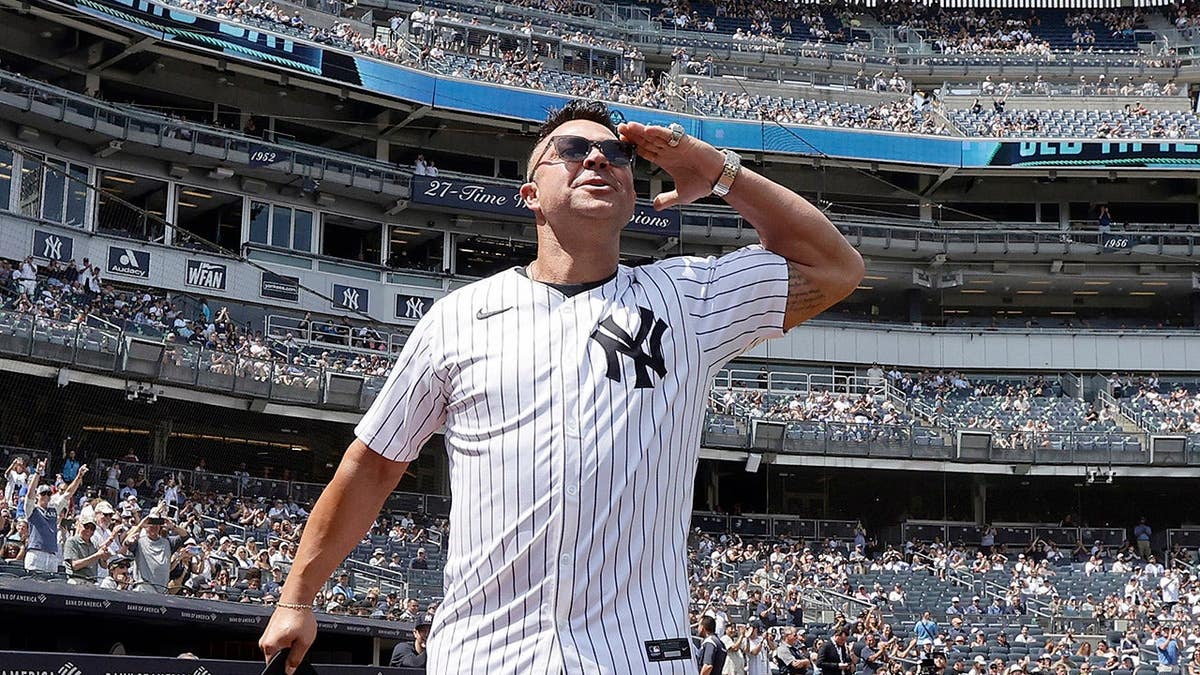
Former MLB player Nick Swisher highlighted the disconnect between the players’ union and the commissioner’s office. He remarked, “It really does feel like they’re speaking two different languages.” Swisher’s experience as a World Series champion and his roles within the Yankees’ front office and the league provide him with a unique perspective.
The timing couldn’t be worse for MLB, which has seen a significant rise in attendance over the past three years. This growth brings comparisons to the period from 2004 to 2007, while the aftermath of the 1994 players’ strike casts a shadow over negotiations.
“I think just in general, the players have a lot of things that they can give, and I think the commissioner’s office has some things that they can give too. So, I think one of the things that I’ve always realized is you can’t go into a negotiation trying to win. That always ends up bad,” Swisher advised during an interview.
Swisher emphasized the importance of finding common ground. Instead of focusing on winning negotiations, he urged both sides to aim for agreements that would benefit the sport and its fans. This approach seeks to prevent disruptions that could anger fans and hurt financial support.
A notable concern is the imbalance between small-market teams and those with deeper pockets, such as the Los Angeles Dodgers, New York Mets, and Yankees. Swisher suggests implementing a salary floor instead of a cap to encourage competitive parity. “You can’t have teams paying $60 million a year,” he stated, noting the minimal playoff success of low-spending teams.
Both parties bear responsibility for progressing negotiations. “I don’t care who’s at fault. Let’s just find a way to get our boys back on the field next year,” stressed Swisher.
Recently, Swisher participated in the Yankees’ Old Timers’ Day and supported a recreational softball team in Central Park. Partnering with Angry Orchard, he played for a struggling team, showcasing his commitment to supporting both winners and underdogs.
“To be part of something new and untraditional, to invest in underdogs is great. For me to pull off a win with them, it was legendary,” Swisher said enthusiastically.
Leave a Reply