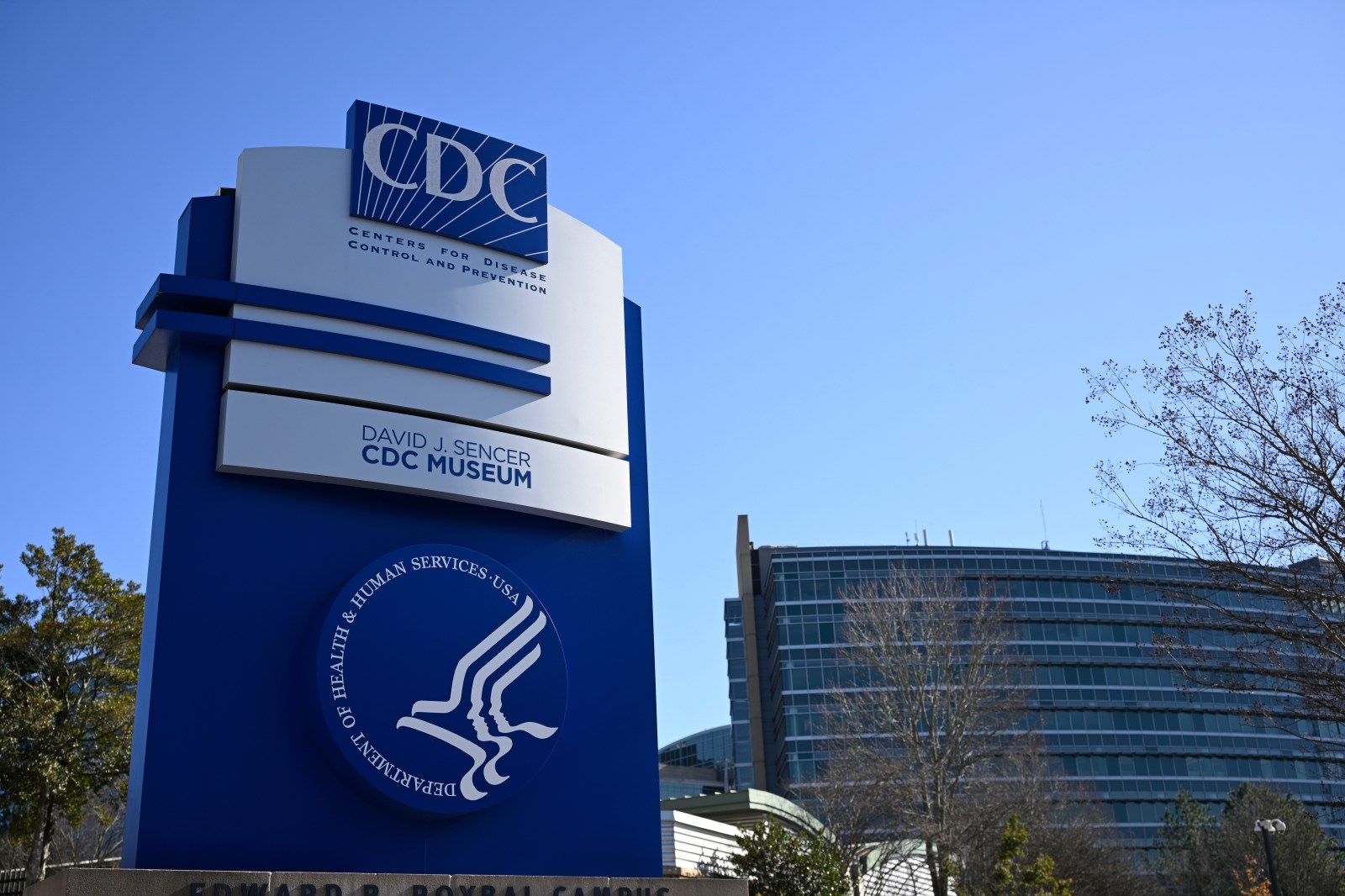
Hundreds across several states have contracted a microscopic parasite causing severe diarrhea and vomiting. Federal and local health officials are investigating this surge in illness clusters. The Centers for Disease Control and Prevention (CDC) reported 145 cases of cyclosporiasis between May 1 and June 16, with 20 hospitalizations. Local data suggests the actual infections are higher, spanning at least 18 states.
Michigan as a Hotspot
Michigan is notably affected by the outbreak. The Michigan Department of Health and Human Services (MDHHS) reported over 300 cases in the state, outperforming its annual average of about 50 cases. Southeast and Southern Michigan, including counties like Monroe, Lenawee, Washtenaw, Wayne, Livingston, Shiawassee, and Jackson, alongside Detroit, show significant clusters. Dr. Natasha Bagdasarian, chief medical executive, highlighted the unusual number of cases and expects more reports.
Cases Beyond Michigan
New York has documented 107 cases since early May. High concentrations of the illness are noted in Michigan, New York, Illinois, and Texas. Other states reporting cases include Alaska, Colorado, Connecticut, Florida, Georgia, Louisiana, Massachusetts, New Jersey, North Carolina, Ohio, Pennsylvania, Tennessee, Virginia, and Wisconsin. The CDC revealed no travel link before illness onset for cases before June 16, indicating domestic sources.
Understanding Cyclosporiasis
Cyclosporiasis stems from the Cyclospora cayetanensis parasite. Spread via contaminated food or water, symptoms include nausea, cramps, fatigue, and watery diarrhea. While healthy individuals often recover without medical aid, older adults face greater risk of severe symptoms. Treatment includes antibiotics like trimethoprim-sulfamethoxazole, marketed as Bactrim or Septra. Essential measures include rest and hydration to counter dehydration.
Source Investigation
The CDC, FDA, and state agencies like the MDARD are probing the outbreak source. Past instances linked to imports like raspberries, basil, and lettuces. MDARD collaborates with local departments to uphold food safety. Consumers are urged to adhere to food preparation protocols, including thorough hand and produce washing.
Jennifer Bonsky, Director of the Human Food Division at MDARD, stressed the importance of these guidelines to ensure consumer safety.
Leave a Reply