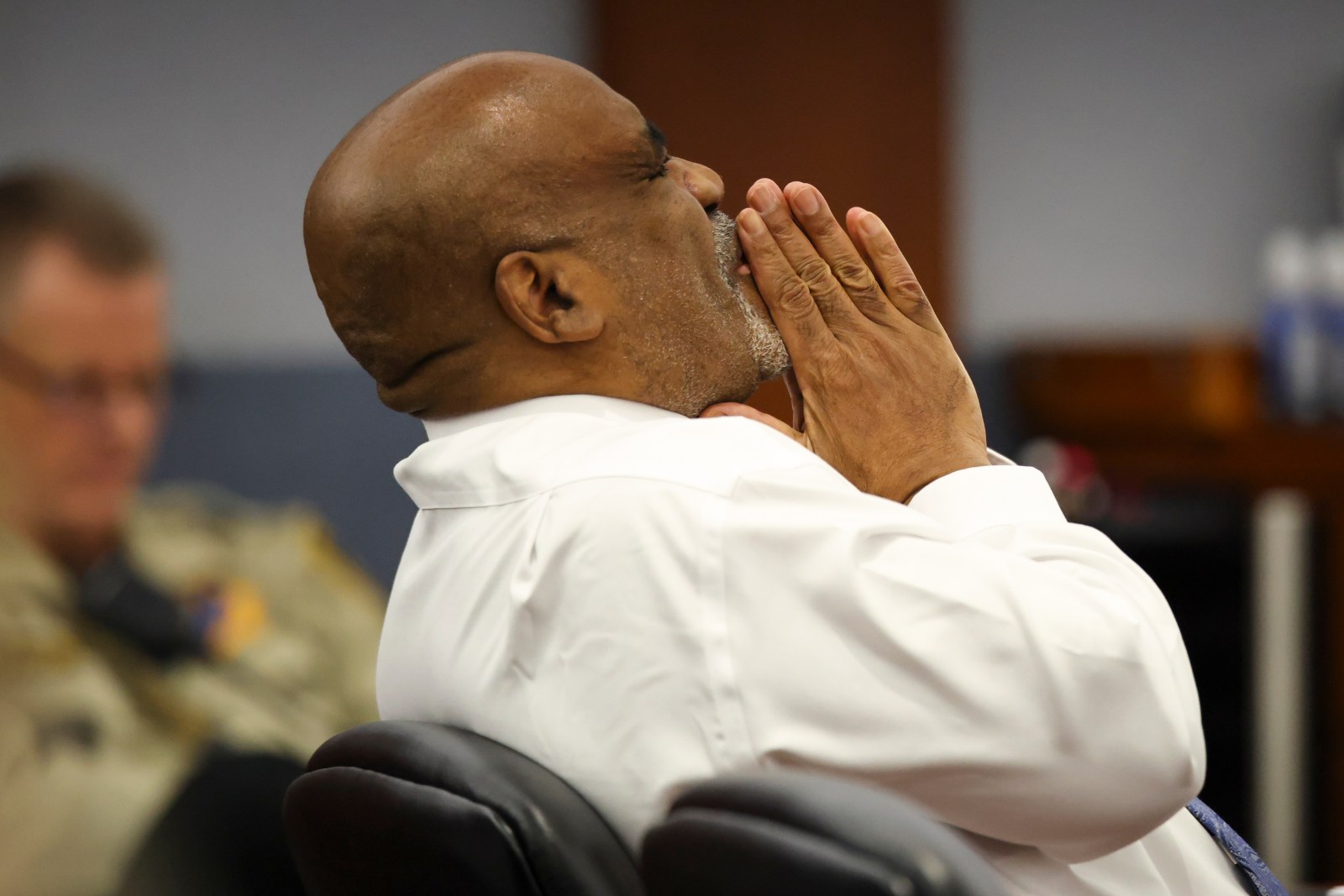
The murder trial of Duane ‘Keffe D’ Davis has started, with prosecutors presenting their case surrounding the 1996 killing of Tupac Shakur. They claim Davis organized a retaliatory attack after Shakur and his entourage assaulted Davis’ nephew, Orlando Anderson, earlier that day.
Prosecutors’ Opening Arguments
Prosecutors described a chain of events escalating gang rivalry into Shakur’s death. Although Davis did not fire the shots, they allege he played a crucial role, planning the revenge and supplying the firearm. During the trial, Davis appeared expressionless in a blue suit.
“There’s no facts.”— Davis’ attorney, Michael Sanft
Davis’ lawyer countered the prosecutor’s claims, insisting the allegations lack evidence.
The Alleged Retaliation
Prosecutor Marc Wall detailed the events before Shakur’s shooting. Tensions between Mob Piru, linked to Death Row Records, and South Side Compton Crips led by Davis had been rising. A prior incident at Lakewood Mall exacerbated the feud.
On September 7, 1996, Shakur and his entourage attacked Anderson in the MGM Grand, captured on surveillance. Wall stated Shakur’s associations put him at risk in the conflict, despite him not being a gangster. Davis, allegedly angered by the attack on Anderson, sought retaliation.
Davis’ Recorded Confessions
The case relies on statements Davis made during a federal narcotics investigation. He chose to discuss Shakur’s murder instead of providing information on the investigation’s target. In a secret 2009 recording, Davis detailed the shooting.
Prosecutors revealed he attempted to implicate Eric ‘Zip’ Martin, indicating his cooperation with authorities. Davis’ recorded statements are pivotal evidence, showing his role in the murder.
Intent and Actions During the Shooting
Prosecutors recounted Davis’ reason for not firing shots himself. He allegedly explained that he was seated in the front passenger seat of the vehicle. He handed the gun to the back seat occupants, DeAndre ‘Dre’ Smith and Anderson.
Davis reportedly stated if Shakur had been on his side, he would have shot. These declarations underscore his involvement and intent.
The Defense’s Argument
Davis’ lawyer argued the case relies heavily on decades-old statements without corroboration. Few facts established Davis’ link to the murder. The defense pointed to investigative shortcomings like cold leads and faded memories.
They argued Davis’ statements to federal agents remain unverified. Multiple agencies didn’t pursue charges at the time, failing to find independent evidence.
The defense criticized Detective Jason Johansson, suggesting he aimed to close the case rather than solve it. They argued the prosecution depends on unreliable witness statements.
The Trial’s Next Phase
With opening statements complete, witness testimonies will aim to clarify the events leading to the shooting and Davis’ involvement. Prosecutors will not argue Davis was the gunman but plan to establish that he orchestrated and armed the attack. Davis has pleaded not guilty and faces a possible life sentence if convicted.
Leave a Reply