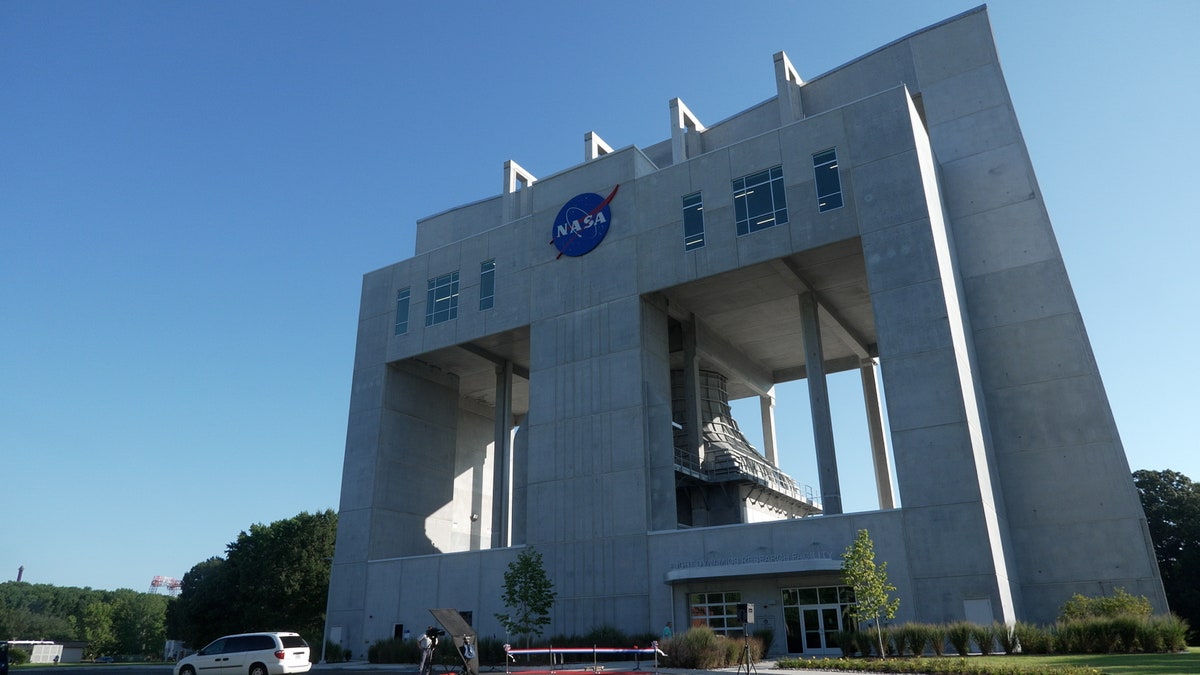
HAMPTON, Virginia – NASA has inaugurated its first major new wind tunnel in over 40 years, marking a significant milestone for the future of aviation and space-exploration research. The Flight Dynamics Research Facility, located at Langley Research Center in Hampton, Virginia, serves as a testing ground for upcoming aircraft and space missions.
“The opening of the Flight Dynamics Research Facility represents a significant advancement for NASA and for the nation,” said Dr. Trina Dyal, NASA Langley center director. “By bringing modernized testing capabilities under one roof, we are enabling transformative research that will ensure the United States remains at the forefront of aeronautics and exploration.”
The facility, built through a partnership with the US General Services Administration, replaces two older facilities that operated for more than 80 years. This project is part of a broader effort to update NASA’s infrastructure and reduce the costs of maintaining outdated facilities.
“If we continue to invest our resources, maintaining a lot of our historic facilities that have less current or anticipated demand,” said Jared Isaacman, administrator of NASA, “it will come directly at the expense of the next-generation capabilities essential to meet the mission of today and all future initiatives.”
NASA celebrated the facility’s opening with a ribbon-cutting ceremony attended by hundreds of industry leaders, government officials, and community members. Some attendees had the opportunity to tour the new tunnel.
The 25,000-square-foot facility features a vertical test section measuring 20 feet in diameter and 24 feet tall. The temperature-controlled tunnel can generate wind speeds of up to 117 mph.
“The capabilities in terms of wind speed that this can provide are much greater,” said Giovanny Guecha, technical lead for the NASA Dragonfly parachute decelerator system. “It’s almost a factor of ten compared to the previous way it’s been done, allowing us to test more stressful conditions closer to Venus.”
Powered by four 750-horsepower motors, each paired with a 14-foot-diameter, eight-bladed fan, the lightweight carbon-fiber blades allow quick adjustment of airflow during free-flight testing. This helps simulate flight at higher altitudes.
The wind tunnel will play a vital role in testing technology for the exploration of Venus and Titan, Saturn’s largest moon, as well as missions to Earth’s moon and Mars. It is also capable of evaluating scale models of vehicles designed to travel through an atmosphere, including spacecraft returning to Earth.
“This facility will absolutely have a role in every future space mission,” noted David Storch, facility manager for NASA’s transonic dynamics tunnel. “Anything that has to return to Earth.”
This facility provides NASA and its partners with a crucial resource for testing safety and performance of aircraft, rockets, space-exploration vehicles, X-planes, drones, and autonomous flight vehicles.
Leave a Reply