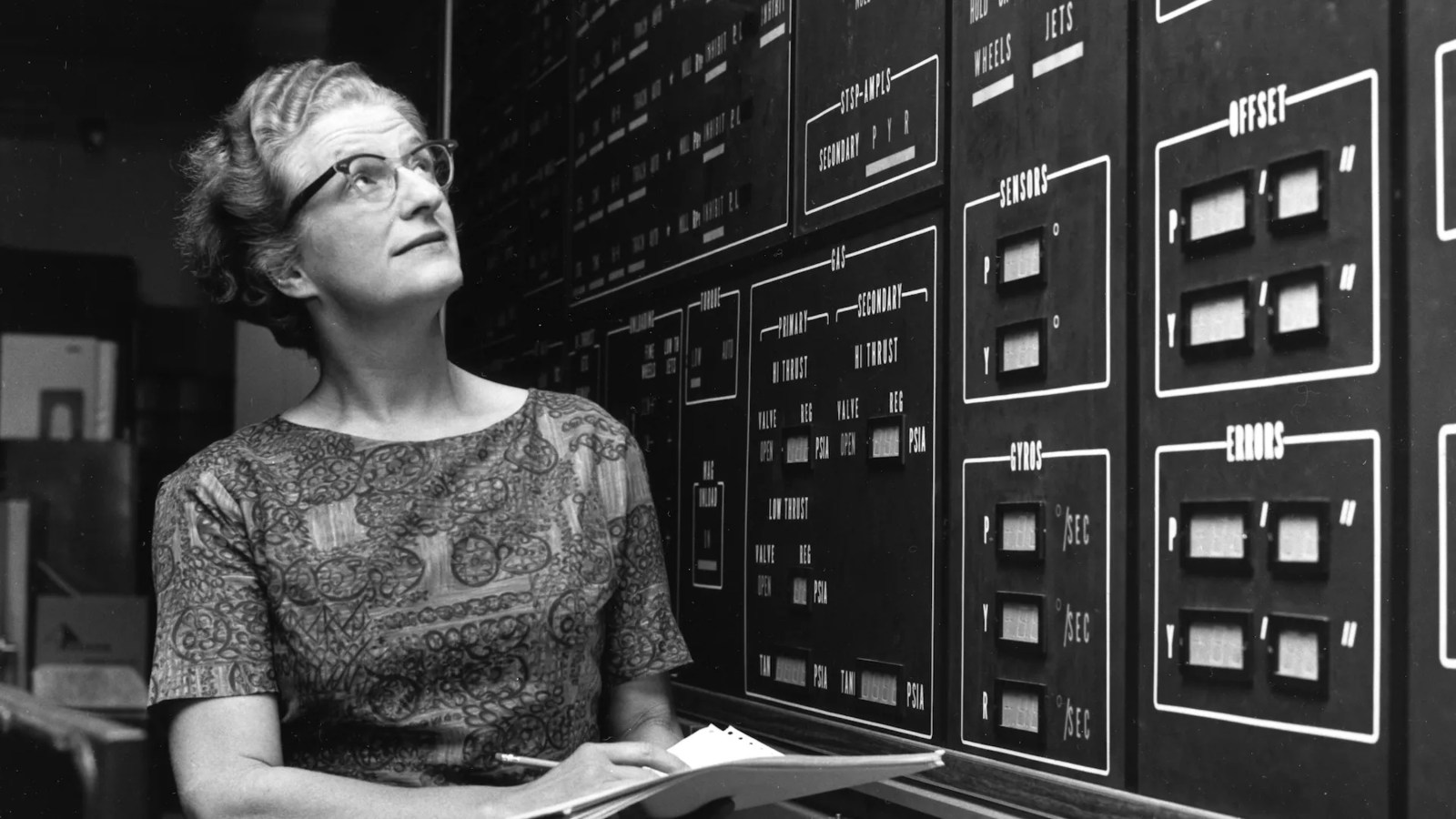
The Nancy Grace Roman Space Telescope, launched on Sunday aboard a SpaceX Falcon Heavy rocket, embarks on a mission poised to address significant cosmic questions. This $4.3 billion project is named after Nancy Grace Roman, a trailblazing figure in NASA’s space astronomy history, fondly remembered as the “Mother of Hubble.” The mission opens a new chapter in NASA’s scientific endeavors.
Esteemed for its expansive field of view, the telescope promises unprecedented speed in mapping vast cosmic areas. It will operate in conjunction with the Hubble and James Webb telescopes. Nicky Fox, NASA’s science mission chief, anticipates the observatory will uncover thousands of supernovae, numerous planets, billions of galaxies, and vast numbers of stars. These findings could significantly reshape our understanding of galaxy formation, planetary development, and the universe’s evolution over billions of years.
Who Was Nancy Grace Roman?
Nancy Grace Roman held the distinction of being NASA’s first chief astronomer and greatly influenced U.S. space science. Born in 1925, she entered the field of astronomy when women faced notable hurdles. As she joined NASA during its formative years, Roman played a pivotal role in developing its astronomy program. She championed the positioning of telescopes above Earth’s atmosphere, laying the foundation for the future Hubble Space Telescope, which earned her the nickname “Mother of Hubble.” Dedicated to scientific research and advocating for women in astronomy, she passed away in 2018 at 93.
Purpose of the New Telescope
The Nancy Grace Roman Space Telescope is engineered for comprehensive wide-field surveys of the universe, offering a capability unmatched by previous space telescopes. Its field of view is over a hundred times greater than that of the Hubble, enabling rapid imaging of significant sky portions while maintaining similar sensitivity.
The observatory will journey for over three months to reach its destination near the second Lagrange point, a gravitationally stable zone about 1 million miles from Earth. This position is also home to the James Webb Telescope. Over its anticipated five-year lifespan, the Roman Space Telescope aims to explore planets beyond our solar system, map billions of galaxies, investigate black holes, and study dark energy and dark matter. Through extensive sky surveys, scientists aim for new discoveries of celestial objects and phenomena.
Leave a Reply