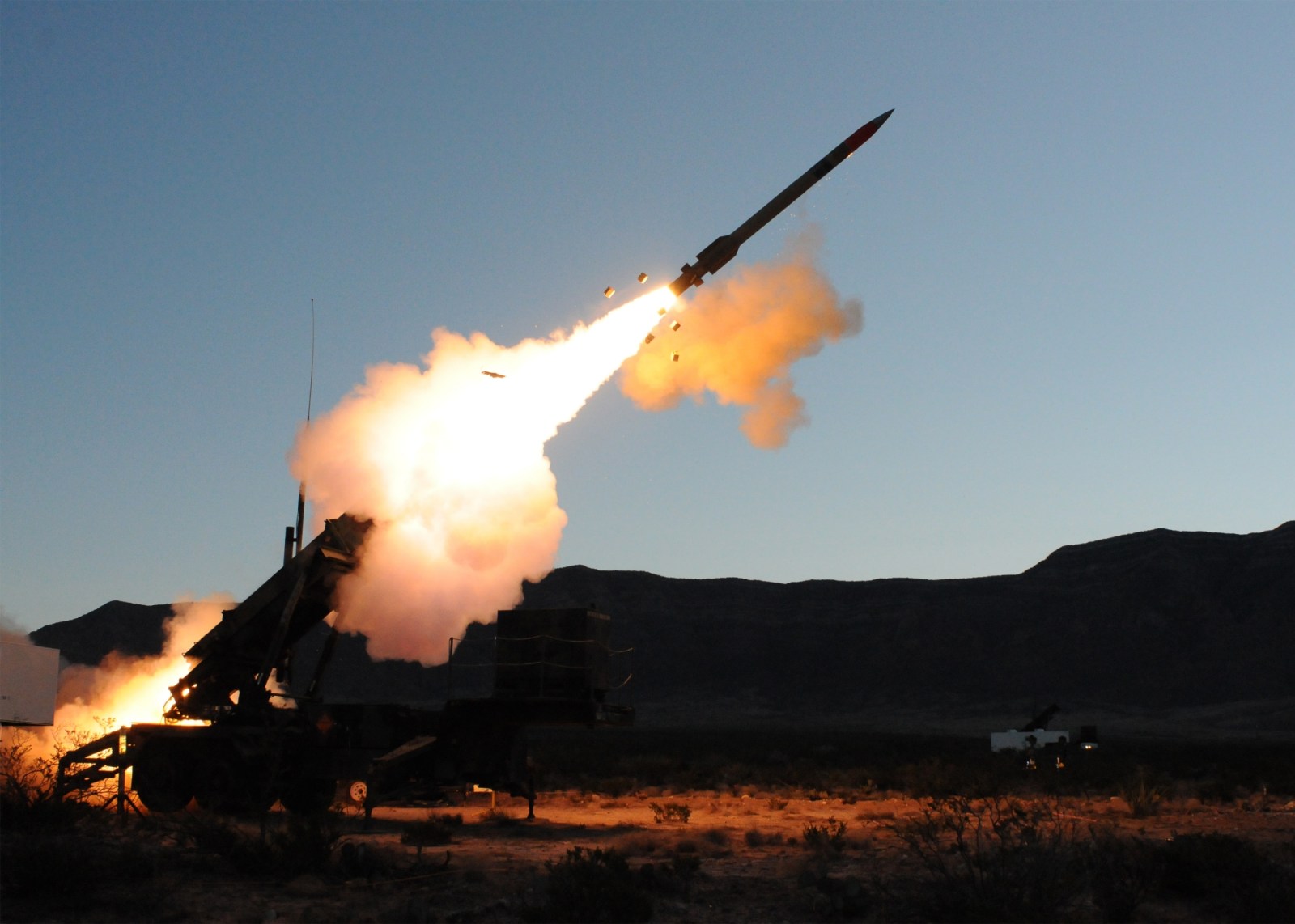
Recent Russian attacks on Kyiv have resulted in significant casualties, highlighting vulnerabilities in Ukraine’s defenses. Ukrainian President Volodymyr Zelensky has raised concerns about a lack of Patriot interceptor missiles and is seeking increased support from NATO allies. The strikes, which claimed the lives of 21 people on Sunday, occurred shortly after previous attacks killed 22 more. As NATO’s annual summit in Ankara approaches, Zelensky is urging for firm commitments to enhance air defenses.
The shortage of US Patriot missile interceptors, exacerbated by their use in the Iran conflict, presents challenges for NATO members. Yuriy Boyechko, CEO of Hope for Ukraine, noted that Ukraine’s defenses are under strain from a lack of interceptors. Russia’s tactic of using drones followed by missile strikes forces Ukraine to make difficult choices on resource allocation.
Boyechko emphasized that many of the interceptors used in the Middle East originated from the same stockpiles utilized for Ukraine, leading to bottlenecks and reduced supply. This leaves Ukraine’s airspace more vulnerable to missile attacks.
All the interceptors used up in the Middle East created real bottlenecks in the supply chain, and Russia knows it,Boyechko said.
A report by the Center for Strategic and International Studies (CSIS) revealed that the US expended a substantial portion of its missile stockpiles during the Iran war. The US used 45% of its Patriot interceptors and over 53% of its THAAD interceptors. The depletion poses a threat to the capacity of the US and its allies to resupply such munitions promptly.
The US has delayed or canceled shipments of key arms to Europe this year, causing concern among NATO members needing these defenses.
Turkey’s Role within NATO
Turkey, which holds NATO’s second-largest military force, plays a significant role in regional security. Its strategic position around the Black Sea is vital, especially as Turkey blocked Russian naval reinforcements through the Montreux Convention.
Turkey’s geopolitical influence is evident during the current NATO summit. President Recep Tayyip Erdoğan’s standing with former US President Donald Trump facilitated Trump’s participation in the summit, as Trump has previously criticized NATO’s expenditure and US commitments to Ukraine.
Yörük Işık, a geopolitical analyst, pointed out the importance of Turkey as a stabilizing force within NATO amidst changing alliances. Yet, Sinan Ciddi of the Foundation of Defense of Democracies conveyed concerns to US lawmakers about Turkey’s burgeoning ties with adversaries like Russia, suggesting cautious engagement with Ankara.
Speculations suggest that NATO may unveil new defense agreements at the summit, with ongoing discussions about potential defense sales to Turkey. However, Turkey’s procurement of the Russian S-400 system raises issues of compatibility with NATO systems, particularly affecting potential F-35 fighter jet sales.
Ciddi urged caution regarding advanced defense transfers to Turkey, given its current military agreements with Russia. The outcome of these discussions could significantly impact NATO’s strategic posture.
Işık remarked that the Ankara summit is critical for reshaping NATO responsibilities in light of the challenges posed by evolving international dynamics.
Leave a Reply