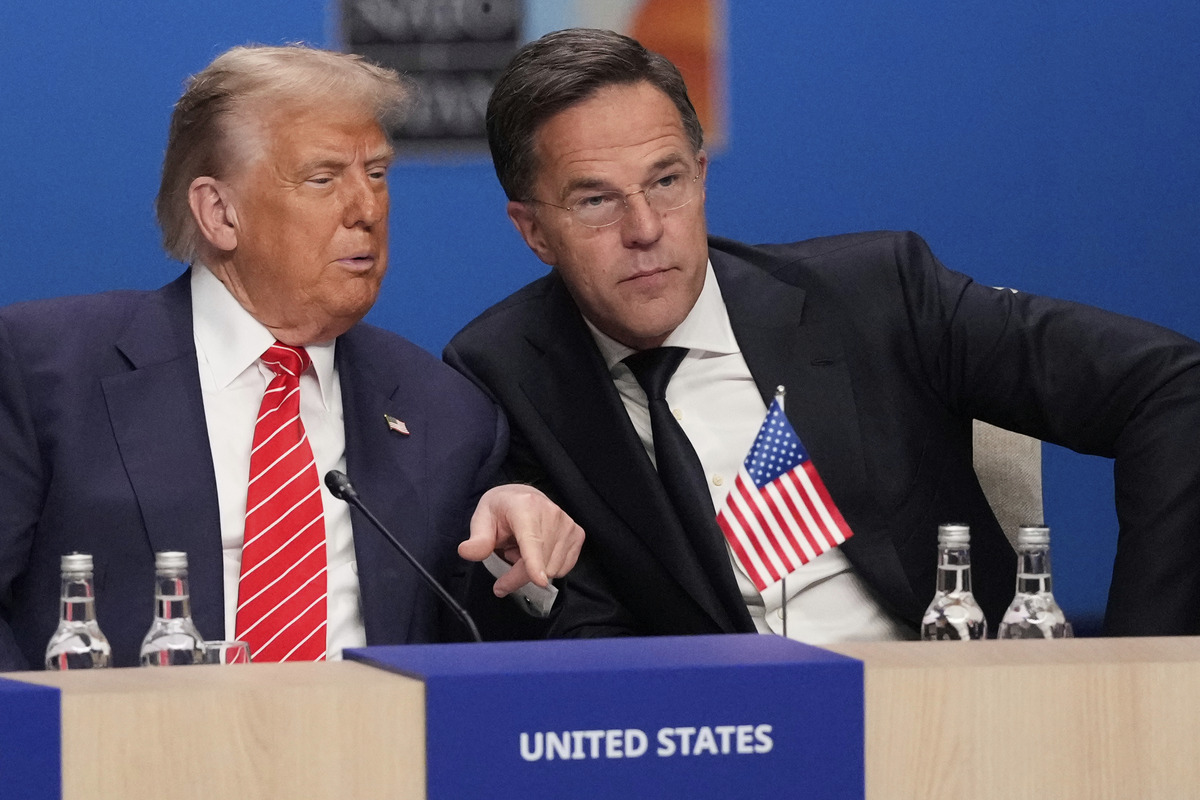
Last month, NATO Secretary General Mark Rutte presented a strategic defense spending plan to U.S. President Donald Trump in the Oval Office. This plan highlighted a significant increase in defense spending by Europe and Canada, projecting a nearly 20 percent rise in 2025 compared to 2024. Rutte, employing his well-known charm, referred to this increment as the “Trump Trillion,” underscoring an additional $1.2 trillion in defense expenditures since Trump’s presidency began.
This orchestrated presentation occurred two weeks before NATO’s most significant annual summit, aiming to address the alliance’s cohesion amid U.S. criticisms of low European defense spending. According to NATO’s official statements, this meeting was intended as “preparation for the Ankara Summit.” The Ankara Summit marked another point of tension between the United States and NATO members. Although last year’s pledges to boost defense spending were designed to prevent the U.S. from withdrawing from Europe, details about potential troop reductions remain uncertain. European officials anticipate discussing Europe’s defense industry’s response to demand and Ukraine’s future.
NATO’s commitment to increase defense spending to 5 percent of GDP by 2035 acknowledges prolonged U.S. military support in Europe. American presence had shouldered much of Europe’s defense capability expenses post-Cold War. European countries recognize the necessity of stepping up, but take issue with public criticisms by the U.S. administration. Tensions peaked with Washington’s earlier threats to seize control of Greenland, a move considered a breach of international law and against NATO’s purpose of mutual protection.
Iran Conflict and Troop Withdrawal
Recent conflicts have brought NATO’s unity into question, especially regarding the U.S. and Israeli actions against Iran. European countries limited U.S. military operations within their borders, spurring remarks from President Trump about NATO’s lack of support. These events fueled assertions of withdrawing U.S. troops from Europe, as expressed by Defense Secretary Pete Hegseth during a recent NATO meeting in Brussels. However, plans for troop reductions were stalled by high-level U.S. officials.
The indecision within the U.S. administration has caused uncertainty among European allies regarding future troop deployments. Retired NATO officials express concern over the lack of clarity and the potential implications of reducing U.S. military presence in Europe. Additionally, changes in NATO’s leadership, such as General Chris Donahue’s resignation, reflect internal tensions over the U.S. military’s future direction.
Future Prospects
The Ankara Summit remains a focal point, with NATO bracing for potential criticisms from Trump. While some officials express confidence in a successful summit, concerns persist about renewed discussions on NATO’s role in the Iran conflict, defense spending, and European military leadership. The U.K.’s newly released Defense Investment Plan has faced criticism for falling short of spending targets amid warnings of potential threats from Russia by 2030. These defense challenges and NATO’s internal disagreements paint a complex picture for the future of the alliance.
Leave a Reply