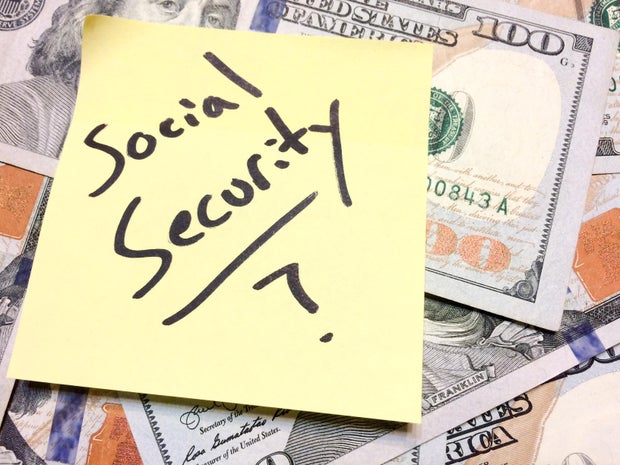
Carrying unpaid credit card debt in retirement can significantly impact your finances. Economic pressures are rising. Household budgets are strained like never before. Many older Americans feel the squeeze more acutely.
Financial Stress for Retirees
Higher living costs, increased interest rates, and soaring healthcare expenses have driven retirees towards credit card use. Many delay plans to be debt-free. Social Security often covers essential expenses but leaves little room for additional costs. Relying more on borrowed money creates concerns. Bankruptcy or levy actions against Social Security checks add to stress and uncertainty.
Protections for Social Security Benefits
Unpaid credit card debt doesn’t allow creditors to directly garnish Social Security benefits. Federal laws protect Social Security from such actions by private creditors. This is different from government-related debts, where garnishment can occur.
Lawsuits and Financial Complications
If credit card payments are missed for long periods, creditors may sue. Winning a judgment in court gives them certain collection powers. They might attempt to freeze or levy bank account funds. Federal rules often protect up to two months’ worth of directly deposited benefits. Beyond this, funds might be at risk. Mixing Social Security with other income can complicate matters. Financial experts advise using a dedicated bank account for Social Security funds.
Effects on Credit and Budget
Although benefits remain protected, unpaid credit card debt can harm financial well-being. It can lower credit scores and increase borrowing costs. This makes it harder to secure financing or favorable loan terms. Collection activity, through calls and legal notices, continues to apply pressure. Creditors might target other assets subject to state laws.
Addressing Credit Card Debt on Fixed Incomes
Significant balances pose risks beyond affecting Social Security. Debt can undermine the financial stability of retirees. Interest rates, minimum payments, and late fees quickly consume fixed incomes. Debt relief options include:
- Debt Settlement: Negotiating with creditors to pay less than owed.
- Debt Management: Credit counselors negotiate lower interest rates and consolidate payments.
- Bankruptcy: Chapter 7 or 13 bankruptcy can offer legal protection and potentially discharge debts.
Each solution has pros and cons, and not all suit every situation. However, allowing high-rate debt to persist is often costliest.
Conclusion
Credit card debt won’t directly reduce Social Security benefits, as federal law protects them from private creditors. However, protections are limited once benefits reach bank accounts. If debt burdens your fixed income, consider options such as settlement, debt management, or bankruptcy. Addressing these issues early could lead to financial relief.
Leave a Reply