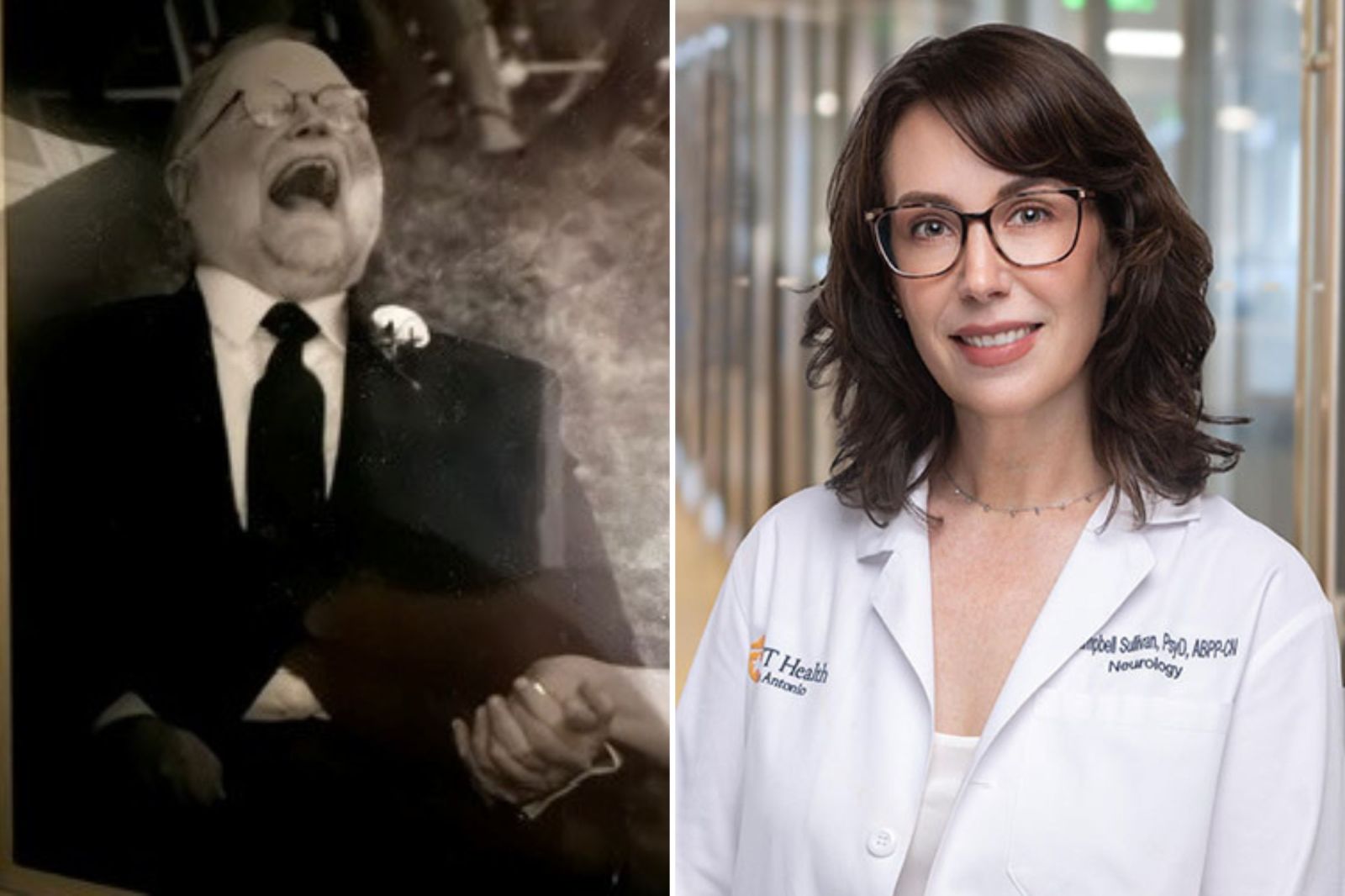
Growing up in Bellville, a small town in central Texas, I was unfamiliar with psychologists, and the idea of neuropsychologists was entirely foreign. My journey into this field was unexpected. During my first master’s degree, I found a job as a psychometrist, administering neuropsychological tests. It was a natural fit. Training at the University of California, San Francisco, introduced me to the Memory and Aging Center, one of the world’s earliest centers focused on frontotemporal dementias (FTD). These disorders progressively damage the brain’s frontal and temporal lobes, affecting thinking, behavior, and movement.
Working at the center, I uncovered my knack for dealing with strong personalities, prevalent among patients. Reflecting, I see how my family’s vibrant personalities influenced this skill. My father was raised to embrace sophistication yet delighted in humor’s provocations. His younger sister, my aunt, shared this trait. My father’s unwavering belief in my potential shaped my identity long before his illness guided my career path.
‘I Knew Something Was Wrong, But Didn’t Know Exactly How The Signs Fit Together’
Around 2003, my father faced mobility challenges, initially linked to back surgery complications. His walk, initially with a limp and brace, shifted to using aids like forearm crutches, and by 2009, he relied on a wheelchair. Behavioral shifts emerged in 2006, marked by superficial conversations and humor. A vivid memory was him licking his dinner plate, out of character from previous holidays. Without siblings, navigating his hurtful comments felt isolating.
Judgment changes ensued, marked by poor financial decisions, disregarding the inability to maintain his lifestyle. The symptoms suggested amyotrophic lateral sclerosis (ALS), a nervous system disease affecting nerve cells with FTD connections. Though familiar with behavioral variant FTD, ALS interaction was new to me.
I sensed something amiss, but couldn’t grasp how symptoms intertwined. Back then, the ALS and FTD overlap was less recognized. In 2011, when I was at Johns Hopkins School of Medicine, my father passed away at 65 years old. I focused on atypical neurodegenerative diseases for the remainder of my training before moving to San Antonio to establish a new clinic.
‘FTD and ALS Are Profoundly Misunderstood’
Over the past decade, my clinic has prioritized atypical cases and family support. FTD and ALS are generally misunderstood, even in medical circles. Symptoms vary widely from personality changes to movement issues, often excluding the memory loss usually associated with dementia. This lack of awareness forces families to struggle alone for years, grappling with these challenging diseases.
Families often criticize themselves, feeling they should have recognized signs earlier or advocated strongly. My experiences with my father sensitized me to personality, behavior, and relationship shifts. Training steered me toward behavioral symptoms, personality changes, and complex family dynamics. Comfort stemmed from familiar emotions of confusion, frustration, grief, and anger.
In 2021, similar events unfolded with my aunt—my father’s sister. Her difficulty with stairs and foot drop during my twins’ first birthday indicated something wrong. Changes in judgment and financial missteps led to lost insurance coverage. Assistance from the Biggs Institute’s philanthropic fund for uninsured individuals afforded her a diagnosis of familial ALS-FTD due to the TARDBP gene variant, rare and accounting for few familial ALS cases.
‘The Hardest Part Wasn’t Just Telling Her, It Was Telling Her Daughters’
Her diagnosis carried clarity about the progression over 18 to 24 months. Heartbreak accompanied conveying this reality to her twin daughters, only 24 at the time. She died earlier this year at 62.
Lack of cures complicates reconciling my family’s genetic condition implications on my future and my daughters’.
‘You Don’t Have To Navigate These Diseases Alone’
Empathy shapes my approach with families considering genetic testing. From skepticism to understanding, I’ve absorbed the weight of the decision firsthand. Research advances depend heavily on the participation of affected patients and families. My aunt’s decision to donate her brain for posthumous studies brought pride to her daughters.
Explicit support informs my advocacy for ALS and FTD families, highlighting the relief non-profits offer. These families, ultimately, need to realize they don’t face these diseases in isolation.
A. Campbell Sullivan, 48, is a board-certified clinical neuropsychologist and associate professor of neurology at UT Health San Antonio’s Glenn Biggs Institute for Alzheimer’s and Neurodegenerative Diseases. She co-directs related programs and holds the Clinical Core Director role at the South Texas Alzheimer’s Disease Research Center. Living in San Antonio with three daughters aged between 6 and 17, she enjoys non-scientific podcasts during personal time.
Leave a Reply