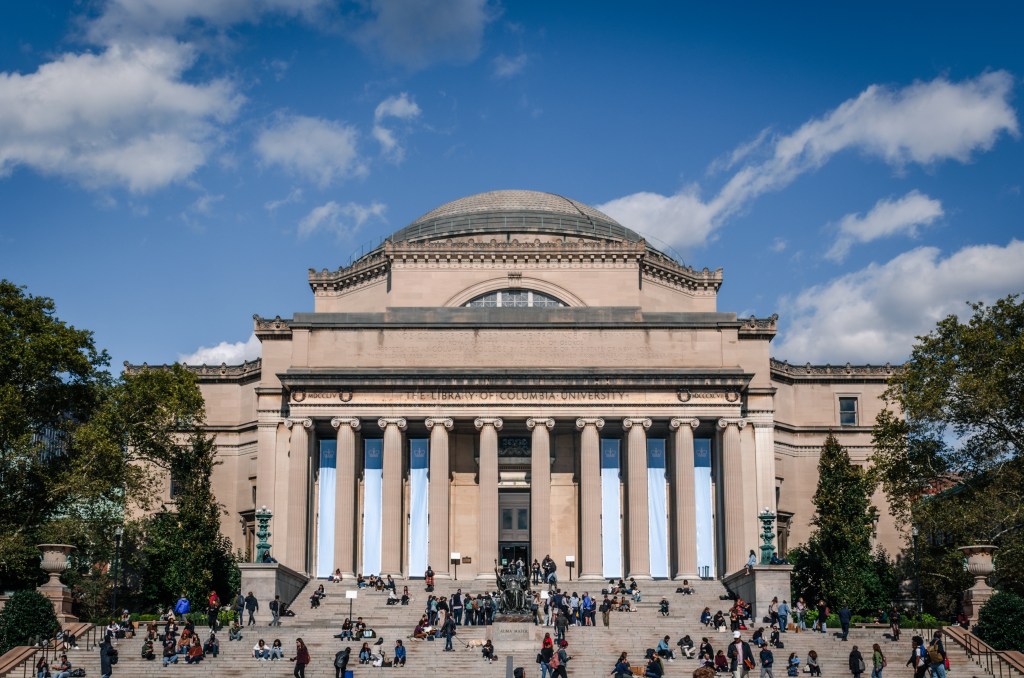
Getting into top universities like Harvard and Columbia remains challenging. These schools anticipate 50,000 to 60,000 applicants for the class of 2031. With acceptance rates hovering around 5%, competition is fierce.
High school students now face a changing admissions landscape. Universities are revising standardized testing requirements and how they view applicants’ use of artificial intelligence. They look beyond grades, seeking evidence of intellectual curiosity and personal development.
When to Begin Ivy League Preparation
Preparation should start well before senior year. Christopher Rim, CEO of Command Education, highlights parents starting as early as middle school. He advises against pushing children into activities prematurely. Instead, let them explore various interests to discover their genuine passion.
Admissions decisions depend on multiple factors. Academic performance, test scores, recommendations, extracurriculars, and essays all play a part. Evaluations consider the applicant’s context, including their school and community.
Parents can support by helping children plan their coursework and identify strengths and weaknesses. Encouraging exploration in middle school can provide a head start on identifying interests.
Standardized Testing and Academic Rigor
Yale University, for the 2026-27 cycle, reinstated its SAT or ACT requirement, emphasizing scores’ role in predicting university success. However, scores are only one criterion.
Applicants must also demonstrate they’ve challenged themselves academically. Taking rigorous courses and maintaining strong grades are essential. Teachers who know students personally can provide valuable recommendations.
College Counseling and Fostering Independence
Access to college counseling varies widely. Some private schools offer more comprehensive resources. Nevertheless, not all students have such access.
The National Association for College Admission Counseling reports that public school counselors are often burdened. In 2021-22, they handled an average of 405 students each, surpassing the recommended ratio. Private counseling can supplement public resources when needed.
Regardless of counseling access, admissions officers seek more than academic prowess. Extracurriculars and unique interests provide insights into a student’s character.
Example: A student who launched a sneaker reselling business demonstrated entrepreneurial spirit, enhancing his application.
Officers look for genuine initiative rather than a résumé filled with typical accomplishments.
Beyond Academics: Embracing Authenticity
The use of AI in college applications raises new challenges. AI can aid in organizing and brainstorming, but it should not replace authentic personal expression.
Princeton’s dean of admissions, Karen Richardson, values how applicants spend their time. Authenticity is key, whether through a job, community service, or taking care of siblings. Parents should encourage using AI tools as learning resources, fostering independent thought.
Understanding applicants’ true interests and motivations remains a priority. Admissions officers assess students’ genuine contributions to society and potential impact on the university community.
Leave a Reply